


Delhi is set to unveil its comprehensive Electric Vehicle Policy 2.0 ahead of the ambitious February 2026 deadline, potentially making it India’s first state to mandate electric-only vehicle sales. After extending consultations until March 2026, the government is finalizing groundbreaking regulations that could revolutionize urban mobility.
Table of Contents
Policy Timeline and Development
In July 2025, the Delhi government extended the existing EV Policy until March 2026, citing the need for wider stakeholder consultation. This extension provides crucial time to refine the ambitious proposals that could transform Delhi’s transportation landscape.
Revolutionary Policy Proposals
| Key Mandate | Implementation Timeline |
|---|---|
| ICE Three-Wheeler Ban | August 2025 |
| ICE Two-Wheeler Ban | August 15, 2026 |
| CNG Auto Permits | Stop new permits from August 15, 2025 |
| Multiple Car Owners | Third vehicle must be electric |
Source: Delhi Transport Department
Ambitious Infrastructure Plans
Massive Charging Network Expansion
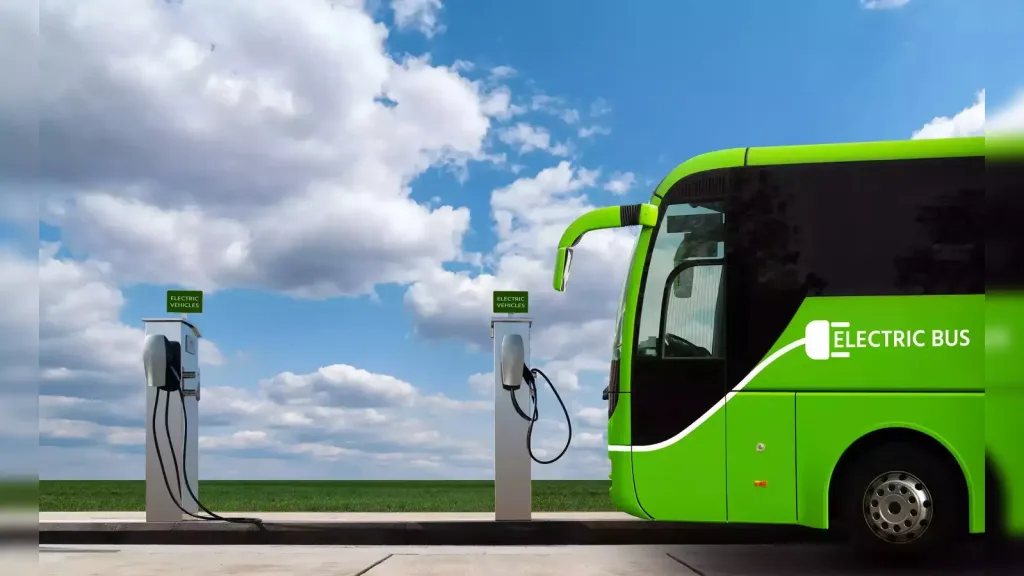
By 2026, Delhi will have 48,000 charging points—18,000 government-operated and 30,000 semi-private, creating one of the world’s most comprehensive urban EV charging networks.
Air Quality Monitoring
Six new air quality monitoring centres will be set up to track the policy’s environmental impact and ensure accountability.
Building on Success
The original Delhi EV Policy, introduced in 2020, was lauded as one of India’s most progressive, aiming for 25% EV adoption by 2024. The new policy dramatically raises these stakes with near-complete electrification goals.
Current Achievements
The Delhi Government aims to have 1 out of every 4 vehicles sold in Delhi by 2024, to be an EV, establishing a strong foundation for the more aggressive 2026 targets.
Market Impact and Challenges
The policy represents a bold experiment in forced EV adoption, potentially creating:
Opportunities
- Manufacturing boost: Development of a robust and self-reliant EV manufacturing ecosystem within the country
- Air quality improvement: Dramatic reduction in vehicular pollution
- Technology leadership: Positioning Delhi as a global EV adoption model
Implementation Concerns
- Infrastructure readiness for mass EV adoption
- Consumer affordability and choice limitations
- Industry preparation for complete transition
Learn more about India’s state EV policy evolution and implementation strategies.

National Implications
Delhi’s EV Policy 2.0 could set precedents for other Indian states, potentially accelerating nationwide electric mobility adoption. The policy’s success or challenges will influence national EV policy frameworks.
What’s Next?
With the final policy expected before February 2026, stakeholders are closely watching Delhi’s bold experiment in electric mobility mandates. The outcome could reshape India’s approach to sustainable urban transportation.
Track Delhi’s EV policy developments and India’s electric mobility revolution at indiaevnews.com
Related Coverage:

