

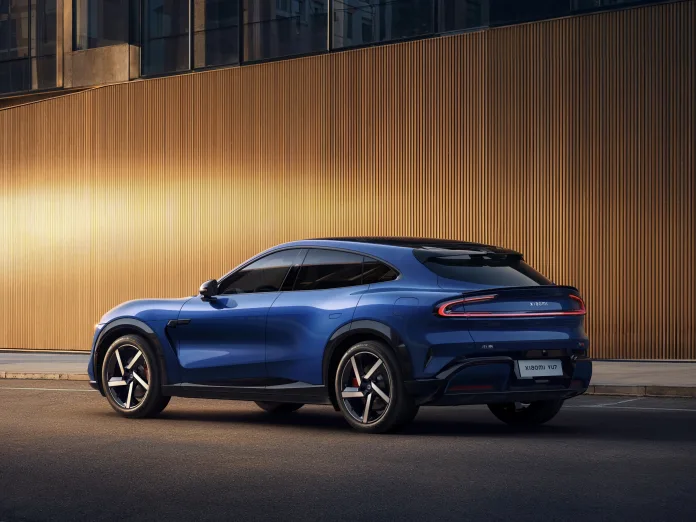

Xiaomi Corp. intends to sell its first electric vehicle in Europe by 2027, declaring plans to take on Tesla Inc. and BYD Co. globally after gaining tremendous traction with its year-old Chinese EV business. This ambitious expansion marks a pivotal moment for the smartphone giant’s transformation into a serious global EV player.
Table of Contents
From Smartphones to Supercars: The Xiaomi Story
Xiaomi Group president Lu Weibing recently took to Weibo to share a photo of an SU7 Ultra with a German licence plate, making it the first of the brand’s electric vehicles (EVs) to be registered in Europe. This symbolic moment signals Xiaomi’s serious commitment to European market entry, moving beyond testing to actual preparation for commercial launch.
The tech giant’s journey from smartphone manufacturer to automotive disruptor demonstrates how quickly the EV landscape can shift when backed by strong technology foundations and consumer electronics expertise.
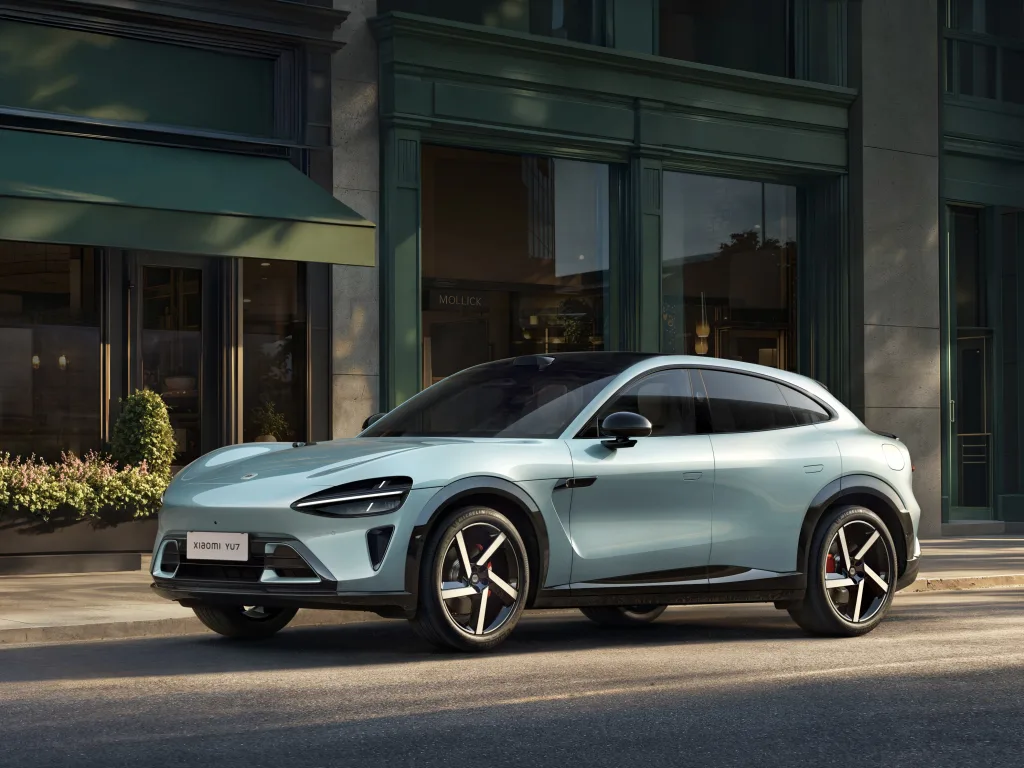
Explosive China Success Fuels Global Ambitions
The Chinese giant has once again revised its electric vehicle delivery target for this year, aiming to deliver 130,000 units. This upward adjustment marks the third time the company has increased its forecast, showcasing unprecedented demand for the SU7 sedan in China.
With a successful 2024 behind them, Xiaomi is setting a sales goal of 300,000 deliveries in 2025. That’s more than double its 2024 sales and five times the original 2024 sales target. This explosive growth trajectory positions Xiaomi perfectly for international expansion.
Europe 2027: Strategic Market Entry
China’s Xiaomi, a smartphone giant turned electric vehicle (EV) manufacturer, will prioritize its booming domestic market until 2027, when it plans to explore European opportunities. This timeline reflects strategic patience—perfecting products and scaling operations in China before tackling complex European regulations and consumer preferences.
The European EV market, currently dominated by Tesla, Volkswagen Group, and emerging Chinese brands, represents both enormous opportunity and intense competition. Xiaomi’s consumer electronics success in Europe provides crucial brand recognition and distribution network foundations.
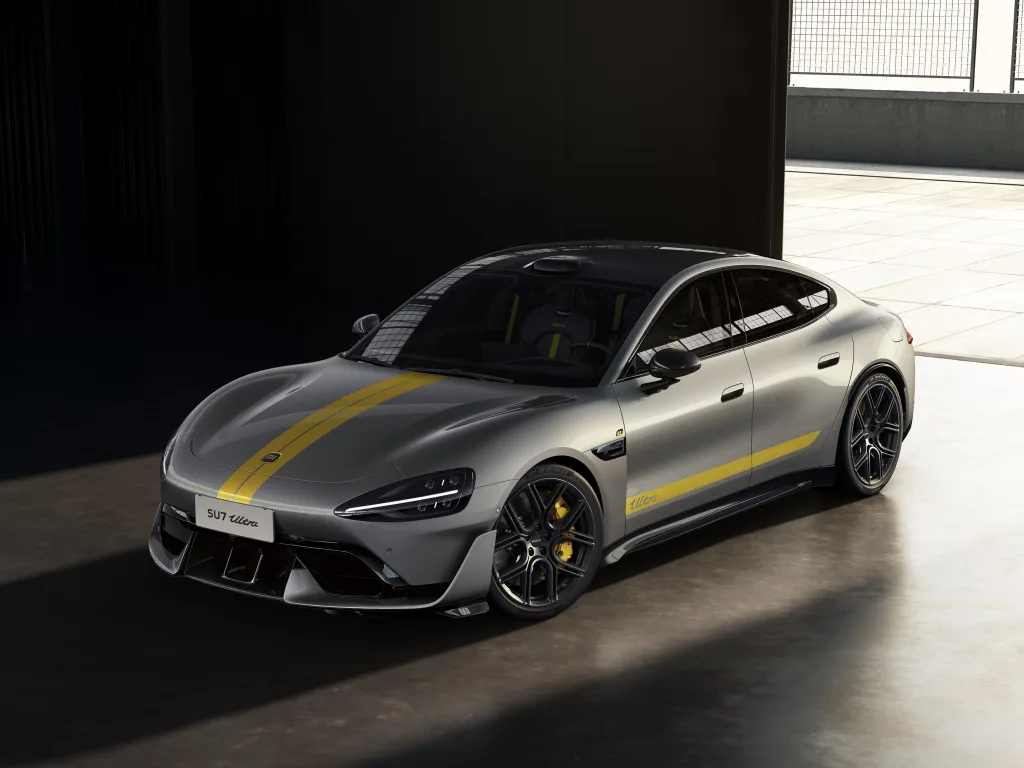
SU7: The European Game-Changer
The Xiaomi SU7, already creating waves in China, will likely spearhead European market entry. The company aims to hit 100,000 units by November 2024, with an ambitious stretch target of 120,000 by the year-end. This achievement highlights Xiaomi’s ability to pick the right category and price point.
The SU7’s success stems from combining premium features with competitive pricing—a strategy that made Xiaomi smartphones globally successful and could prove equally effective in European EV markets.
Financial Performance Validates Strategy
In the first quarter, the Chinese giant generated sales of the equivalent of 2.2 billion euros with its electric car business, an increase of eleven per cent compared to previous periods. This financial success demonstrates the business model’s viability and provides resources for European expansion investments.
Goldman Sachs expects Xiaomi to sell 350,000 EVs in 2025 and 655,000 in 2026, with analyst projections significantly above consensus estimates. Such growth rates would make Xiaomi one of the world’s fastest-growing EV manufacturers.
Manufacturing Scale-Up for Global Demand
To meet its 2025 sales goal, Xiaomi will bring the second phase of its manufacturing facility online by mid-June, demonstrating serious commitment to scaling production capabilities. This expansion ensures adequate capacity for both domestic demand and future European deliveries.
The manufacturing ramp-up positions Xiaomi to avoid supply constraints that have plagued other EV startups during rapid expansion phases.
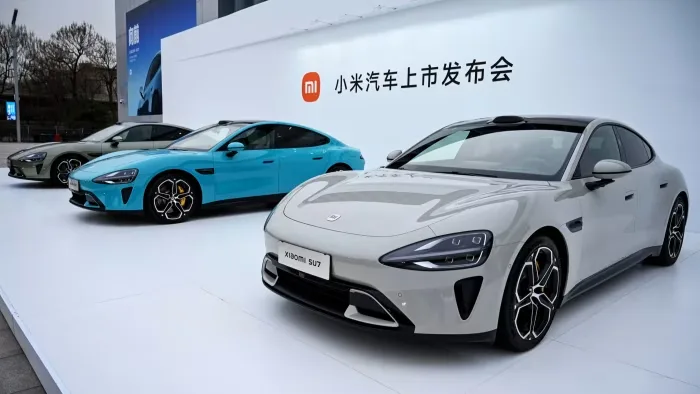
Competitive Landscape: Taking on Giants
The company’s European entry puts it in direct competition with established players like Tesla, traditional automakers like Volkswagen, and fellow Chinese brands like BYD. However, Xiaomi brings unique advantages: proven consumer electronics success, strong brand recognition, and competitive pricing strategies.
The company’s approach mirrors successful Chinese EV expansion strategies—start with compelling products, aggressive pricing, and leverage existing brand strength in consumer electronics.
Technology Integration Advantage
Xiaomi’s core strength lies in ecosystem integration—seamlessly connecting smartphones, smart homes, and now automobiles. This technological synergy could provide significant differentiation in European markets where connectivity and user experience increasingly drive purchase decisions.
The company’s expertise in EV connectivity features and software development offers advantages over traditional automakers still mastering digital integration.
Impact on Global EV Dynamics
It’s European expansion represents more than one company’s growth—it signals the continuing globalization of Chinese EV technology and manufacturing capabilities. Success in Europe could accelerate expansion to other markets, including potentially India’s growing EV market.
As European consumers increasingly embrace affordable premium EVs, Xiaomi’s value proposition could resonate strongly, potentially forcing established players to reconsider pricing strategies.
The 2027 European launch timeline gives Xiaomi adequate preparation time while maintaining momentum from Chinese market success, setting the stage for what could become one of the most significant EV market entries in recent years.

