

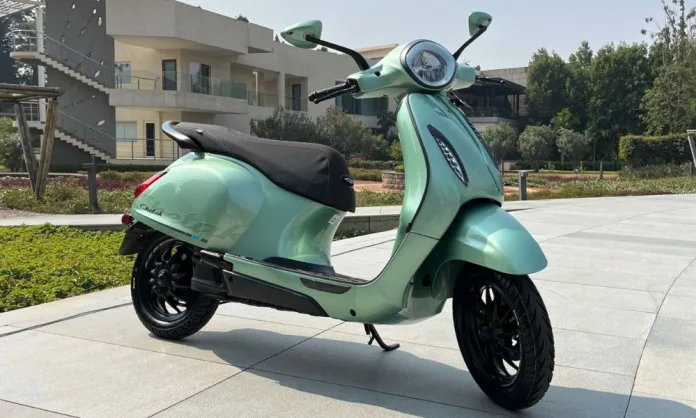

After months of production turmoil, Bajaj Auto has resumed distribution of its electric scooter, Chetak, after overcoming rare earth material shortages. Production resumed on August 20, marking a triumphant return for India’s iconic electric scooter brand.
Table of Contents
The Supply Chain Crisis That Shook India’s EV Sector
The rare earth magnet shortage hit India’s EV manufacturers like a tsunami. The shortage of rare earth magnets resulting from China’s recent export restrictions is taking a drastic toll on an Indian e-scooter manufacturer. Bajaj Chetak production plunged by 47% to 10,824 units in July, with Managing Director Rajiv Bajaj warning of a potential ‘zero month’ in August.
Impact Breakdown:
| Month | Production Impact | Key Challenge |
|---|---|---|
| June 2025 | 18,479 units | Supply disruption begins |
| July 2025 | 10,824 units (-47%) | Severe shortage hits |
| August 2025 | Near-zero production | Crisis peak |
| Post-August 20 | Full resumption | Solution implemented |
India’s Strategic Response: Building Mineral Independence
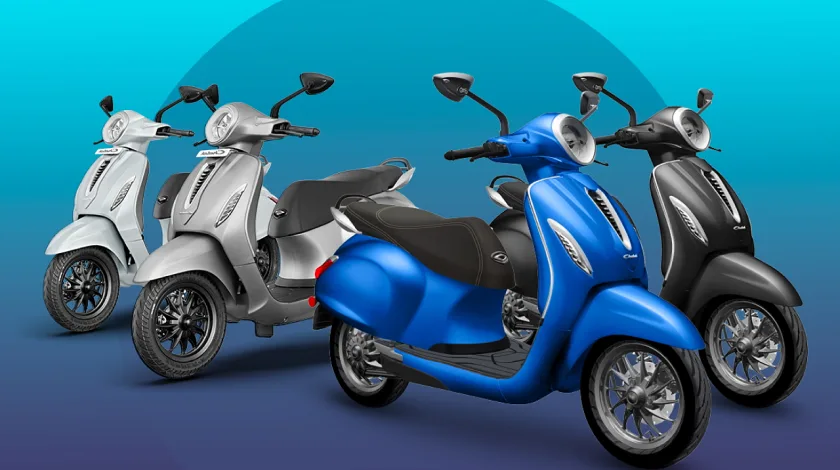
The crisis highlighted India’s vulnerability in critical mineral supply chains. The government’s National Critical Mineral Mission (NCMM) becomes increasingly vital, with India possessing 8.52 million tonnes reserves of rare earth elements. The Ministry of Mines’ official list of 30 critical minerals includes rare earth elements essential for EV production.
Bajaj’s Innovation Solution
The automaker initially used light rare earth magnets instead of heavy rare earth magnets to overcome the crisis, demonstrating remarkable adaptability. This strategic pivot allowed Bajaj to maintain production momentum while securing alternative supply sources.
Industry-Wide Impact and Recovery
The shortage affected multiple manufacturers. Major Indian electric two-wheeler manufacturers including Bajaj Auto, Ather Energy, and TVS Motor Company reduced production due to shortage of rare earth magnets from China. However, recovery strategies varied, with some companies like Ola remaining relatively unaffected.
What This Means for EV Buyers
For Current Customers:
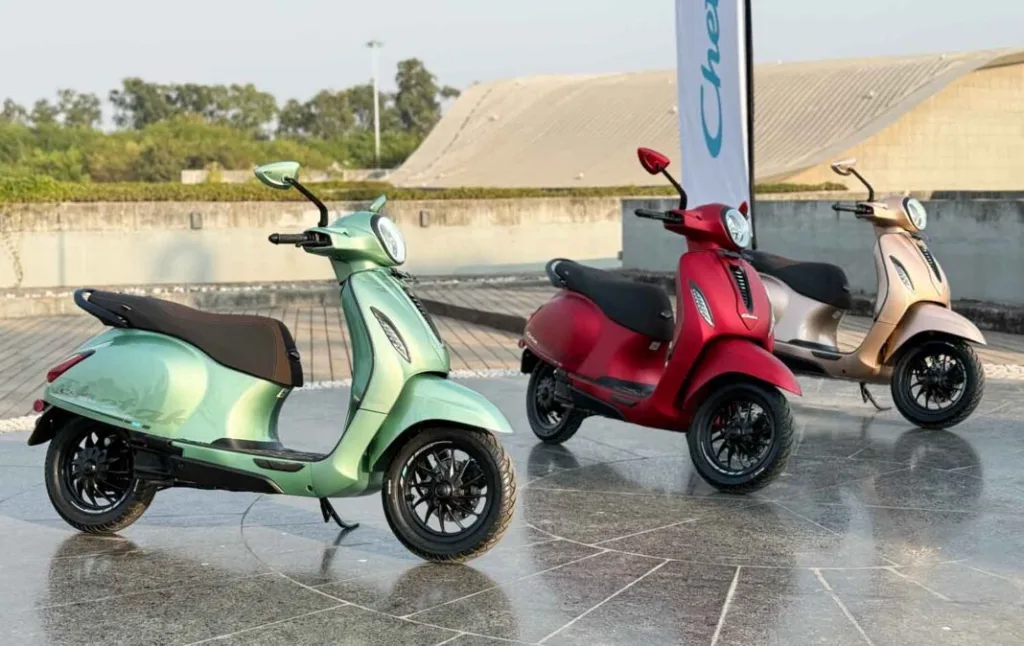
- Chetak deliveries have fully resumed
- No compromise on quality despite supply chain adjustments
- Improved supply chain resilience for future orders
Market Implications:
- Strengthened domestic supply chains
- Reduced dependency on single-source suppliers
- Enhanced production sustainability
Building Supply Chain Resilience
This crisis accelerated India’s focus on strategic autonomy in rare earth elements. The India Rare Earths Mission aims to develop domestic mining and refining capacities, ensuring such disruptions become history.
The Road Forward
Bajaj Chetak’s successful navigation through this crisis demonstrates the resilience of India’s EV ecosystem. With comprehensive EV market analysis showing strong recovery patterns, the industry emerges stronger and more self-reliant.
The rare earth magnet crisis is now behind us, but its lessons drive India toward greater mineral security and EV manufacturing independence.

