


Swiggy just made a move that could reshape food delivery forever. The food delivery giant’s strategic partnership with Bounce to deploy electric vehicle fleets across Delhi NCR and Bengaluru isn’t just about going green—it’s about creating a sustainable competitive advantage that could define the next decade of last-mile delivery.
Table of Contents
The Perfect Storm for EV Adoption
This partnership comes at a critical moment. Swiggy has committed to transitioning to an all-electric delivery fleet by 2030, and this Bounce collaboration represents a major acceleration of that ambitious timeline.
With fuel costs consistently rising and urban pollution reaching alarming levels, the business case for electric delivery fleets has never been stronger. For delivery partners struggling with petrol expenses that can eat up 30-40% of their earnings, EVs offer a lifeline to profitability.
Why Delhi NCR and Bengaluru Matter
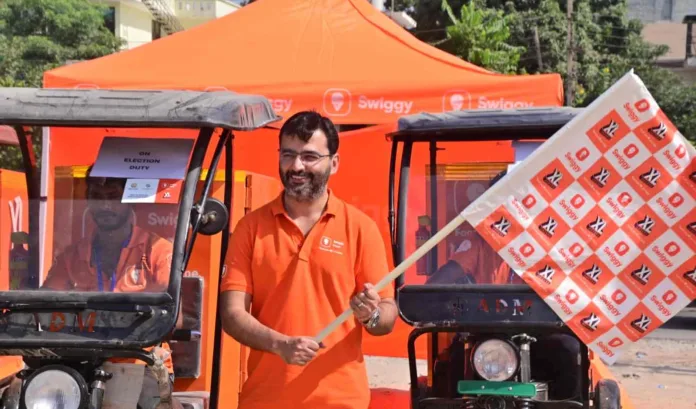
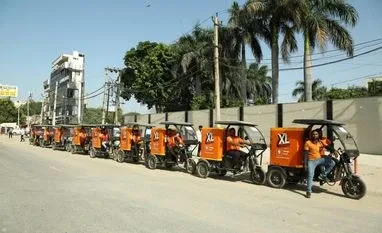
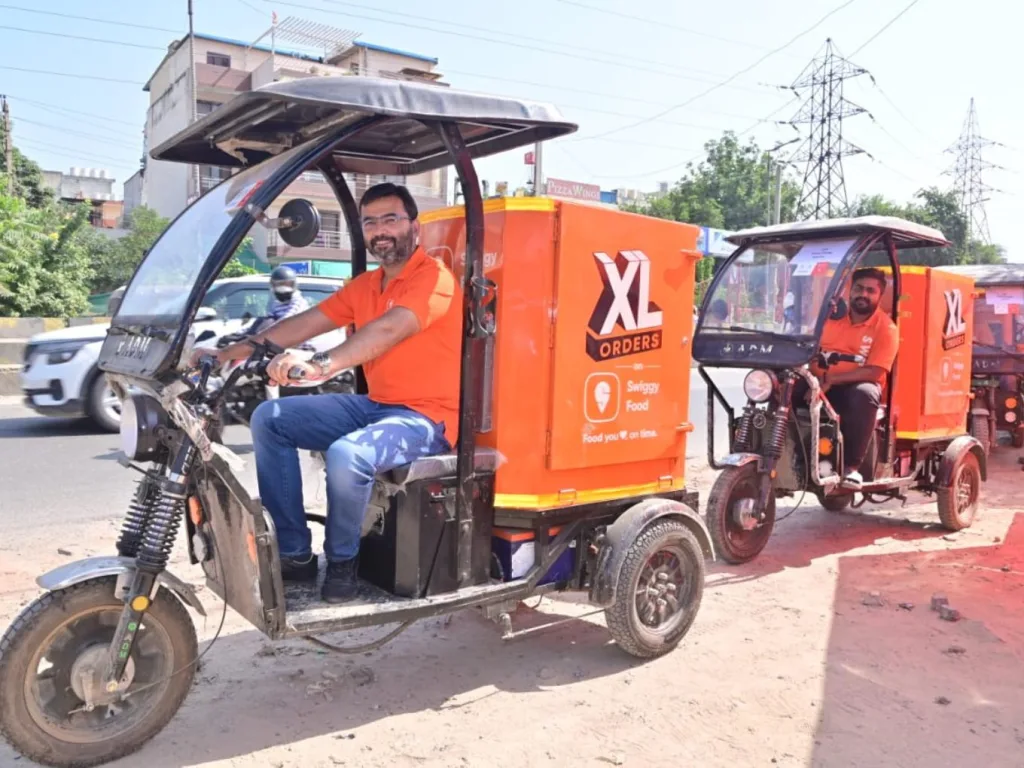
The choice of Delhi NCR and Bengaluru as pilot cities isn’t coincidental. These metros represent India’s largest food delivery markets, with dense urban populations generating massive order volumes. Swiggy has already tested EV deployment in Gurugram, delivering 3,500 meals to electoral officials across 580 polling booths, proving the model works at scale.
Delhi NCR’s infamous air pollution crisis makes EV adoption not just economically smart but socially responsible. Meanwhile, Bengaluru’s tech-savvy population and progressive policies create ideal conditions for electric mobility acceptance.
The Bounce Advantage
Bounce brings unique strengths to this partnership. As a mobility platform specializing in shared electric vehicles, Bounce understands the operational challenges of EV fleets—from charging infrastructure to vehicle maintenance.
This isn’t Swiggy’s first partnership exploration with Bounce. Previous collaborations explored delivery partners doubling as bike taxi operators, suggesting a deeper strategic relationship that could expand beyond simple fleet deployment.
Financial Impact for Delivery Partners
For Swiggy’s delivery partners, this partnership could be transformational. Electric vehicles slash operating costs dramatically—electricity costs roughly 70% less than petrol per kilometer. For a delivery partner covering 80-100 km daily, this translates to savings of ₹200-300 per day.
Over a month, that’s ₹6,000-9,000 in additional take-home income—a game-changing difference for riders whose monthly earnings typically range from ₹25,000-35,000.
Infrastructure Challenges and Solutions
The biggest hurdle for EV adoption has always been charging infrastructure. Bounce’s experience in managing shared EV fleets means they’ve already solved critical challenges like battery swapping, charging station placement, and fleet maintenance.
This partnership likely includes strategic charging station deployment across high-density delivery zones, ensuring riders never face range anxiety during peak hours.
Market Timing and Competition
Competitor Zomato has also piloted EV rental bike fleets for delivery partners in Delhi, indicating industry-wide recognition that electric transition is inevitable. Swiggy’s partnership with Bounce could provide crucial first-mover advantages in scaling EV adoption.
The food delivery industry’s razor-thin margins make operational efficiency paramount. Companies that successfully transition to EVs first will enjoy sustained cost advantages that compound over time.
Environmental and Social Impact
Beyond business benefits, this partnership addresses urgent environmental concerns. Food delivery generates thousands of daily trips across urban centers. Converting these to electric reduces emissions significantly while improving air quality in India’s most polluted cities.
For Swiggy, this positions the brand as environmentally responsible—increasingly important for conscious consumers, especially in metropolitan markets.
Scale and Future Expansion
Previous estimates suggested Swiggy would need around 10,000 EVs to cover 800,000 km daily by 2025. The Bounce partnership provides the infrastructure backbone to achieve these ambitious targets.
Success in Delhi NCR and Bengaluru will likely trigger rapid expansion to other tier-1 cities, creating a template for nationwide EV fleet deployment.
The Bigger Picture
This partnership represents more than operational optimization—it’s strategic positioning for the future. As India pushes aggressive EV adoption targets and cities implement stricter emission norms, companies with established electric fleets will have regulatory advantages.
The Swiggy-Bounce collaboration could become the blueprint for how India’s gig economy transitions to sustainable transportation, influencing policy and inspiring similar partnerships across industries.

