

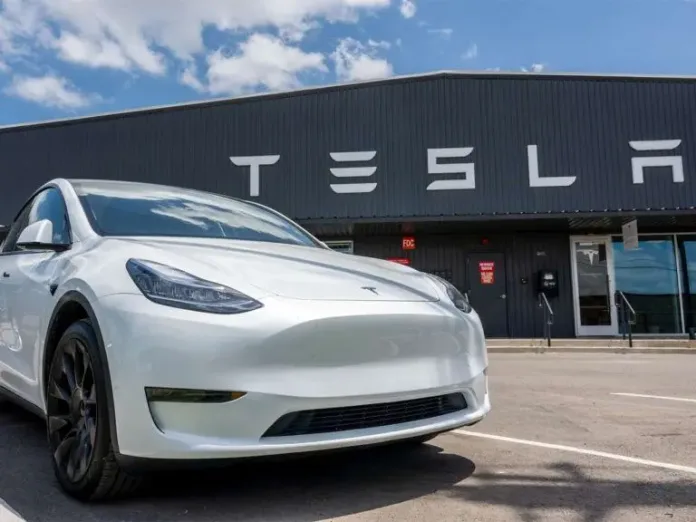

History was made today in Mumbai’s Bandra Kurla Complex. Tesla officially opened its first electric vehicle charging station in India on August 4, 2025, marking a pivotal moment in the country’s electric vehicle journey. This isn’t just another corporate milestone – it’s the beginning of India’s transformation into a Tesla-powered future.
Table of Contents
The Game-Changing Infrastructure Arrives
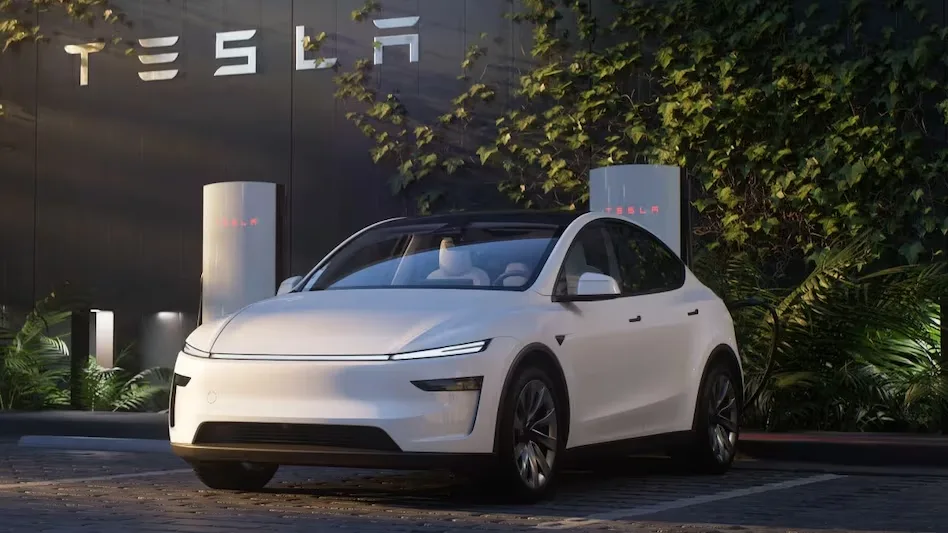
The facility includes four V4 Supercharger stalls offering DC fast charging at a rate of Rs 24 per kWh, with a peak output of around 250 kW. But these aren’t just numbers on a spec sheet – they represent lightning-fast charging that can add hundreds of kilometers of range in minutes.
What makes this particularly exciting is the dual charging approach. Tesla’s Supercharging stalls will offer a peak charging speed of 250 kW, priced at Rs 24 per kWh, while the destination chargers will provide up to 11 kW at Rs 14 per kWh. This means whether you need a quick top-up or overnight charging, Tesla has you covered.
More Than Just BKC: The Bigger Picture
This Mumbai launch is just the beginning. The US automaker plans to operationalise three more charging locations across Mumbai — in Lower Parel, Thane, and Navi Mumbai — by the end of the September quarter. Tesla isn’t testing the waters – they’re diving in headfirst.
The strategic location choice speaks volumes. BKC isn’t just Mumbai’s business district; it’s where deals are made, where India’s corporate elite work, and where early adopters gather. By placing their first station here, Tesla is targeting the exact demographic most likely to embrace premium electric vehicles.
Perfect Timing with Model Y Deliveries
The charging station launch aligns perfectly with Tesla’s broader India strategy. Deliveries are scheduled to begin in the third and fourth quarters of 2025. This means by the time Tesla vehicles start rolling onto Indian roads, the infrastructure will already be in place.
For potential Tesla owners, this addresses the biggest concern about electric vehicle ownership: range anxiety. Knowing that fast, reliable charging is available transforms the ownership experience from uncertainty to confidence.
The Technology That Changes Everything
Tesla’s V4 Superchargers aren’t just faster versions of existing technology – they’re engineered for the future. The 250 kW peak charging speed means a typical It can charge from 10% to 80% in about 30 minutes. That’s faster than most people take for a coffee break.
At Rs 24 per kWh for Supercharging, Tesla is pricing competitively while offering premium service. The destination chargers at Rs 14 per kWh provide an economical option for longer stays, making Tesla ownership practical for different usage patterns.
What This Means for Indian EV Adoption
Tesla’s entry into India’s charging infrastructure represents more than corporate expansion – it’s validation of India’s electric vehicle potential. When the world’s most valuable automaker invests in charging infrastructure, it signals confidence in the market’s future.
For other EV manufacturers, It’s infrastructure investment raises the bar. The company isn’t just selling cars; they’re building the ecosystem that makes electric vehicle ownership seamless and convenient.
The Ripple Effects Begin
Tesla’s charging station will impact more than just Tesla owners. The company has historically opened their Supercharger network to other brands in various markets. If this happens in India, it could accelerate overall EV adoption by addressing infrastructure concerns across all brands.
Local businesses around BKC are already preparing for increased foot traffic. A 30-minute charging session means potential customers for nearby restaurants, cafes, and shops. It’s charging stations often become community hubs, transforming how we think about refueling vehicles.
Looking Ahead: The Infrastructure Revolution
This marks a significant milestone in the American automaker’s India strategy, following the recent launch of its flagship showroom in Mumbai. Tesla is building a comprehensive presence in India – showrooms, charging infrastructure, and service capabilities.
The expansion beyond Mumbai is already planned. While details remain limited, It’s charging network will likely follow major highways and metropolitan areas, creating corridors of electric travel across India.
The Bottom Line
Tesla’s first charging station in Mumbai’s BKC isn’t just about convenience – it’s about possibility. It represents the infrastructure foundation that will support India’s electric vehicle revolution.

