


The Indian automotive landscape is about to witness a seismic shift. JSW Auto is set to launch its own electric vehicles by 2027, and this isn’t just another corporate announcement – it’s a calculated move by one of India’s most powerful industrial conglomerates to rewrite the rules of electric mobility.
Sajjan Jindal’s revelation at Davos has sent ripples through the automotive industry, and for good reason. The JSW Group, with its $24 billion empire spanning steel, energy, and infrastructure, is positioning itself to become a major disruptor in India’s rapidly evolving EV ecosystem.
Table of Contents
The Strategic Masterstroke: Multiple Partnerships, One Vision
What makes JSW’s approach fascinating is its multi-pronged strategy. While the group already owns a significant stake in the successful JSW MG Motor India joint venture, they’re not stopping there. This effort will be housed under a new division, JSW Green Mobility, operating independently while leveraging synergies from their existing automotive experience.
The chess moves are already in motion. JSW is negotiating with many automotive manufacturers for electric vehicles. Chinese auto giant Geely is one of the OEMs that JSW is negotiating with, while recent reports suggest conversations with BYD and even Chery for technological partnerships.
This isn’t random corporate expansion – it’s strategic diversification backed by deep pockets and deeper ambition.
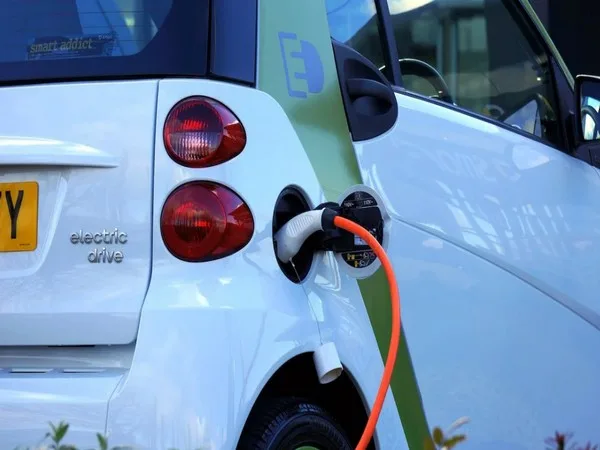
From Steel Giant to EV Pioneer: The JSW Transformation
The JSW Group’s journey into electric vehicles represents more than business diversification – it’s industrial evolution in real-time. Having mastered steel production and energy generation, the conglomerate now sees electric vehicles as the natural convergence of their core competencies.
Think about it: steel for vehicle frames, energy solutions for charging infrastructure, and now, complete electric vehicle manufacturing. JSW isn’t just entering the EV market; they’re creating an integrated ecosystem that could reshape how Indians think about electric mobility.
The MG Success Story: Proof of Concept
JSW’s confidence isn’t built on wishful thinking. Their joint venture with SAIC Motor through JSW MG Motor India has already demonstrated their automotive acumen. JSW MG Motor India is seeking to be the market leader in the new energy vehicle (NEV) segment in India, targeting sales of 10 lakh units annually by 2030.
The MG partnership introduced innovative financing models like Battery-as-a-Service (BaaS), which reduced the upfront price of the vehicle to just under Rs 10 lakh and, in the process, sought to address the price hurdle, which impedes electric car adoption in the country.
This success story provides JSW with invaluable market insights, distribution networks, and consumer behavior data – crucial advantages for their independent EV brand launch.
Market Disruption on Multiple Fronts
JSW’s EV strategy isn’t limited to passenger cars. JSW Group plans to launch its own independent range of cars, trucks and buses under the JSW brand, signaling their intention to capture multiple market segments simultaneously.
This comprehensive approach could accelerate India’s commercial vehicle electrification, an area where current players have struggled to gain significant traction. JSW’s industrial relationships and infrastructure capabilities position them uniquely to serve fleet operators and logistics companies.
The 2027 Timeline: Aggressive Yet Achievable
The 2027 launch timeline might seem aggressive, but JSW’s existing partnerships and manufacturing capabilities suggest it’s achievable. Their collaboration with established Chinese automakers provides immediate access to proven EV technologies, while their industrial expertise ensures rapid scaling capabilities.
Moreover, JSW Green Mobility will operate independently, it is expected to benefit from synergies with its existing joint venture, JSW MG Motor India, creating operational efficiencies that newer entrants can’t match.

The Competitive Landscape Shift
JSW’s entry will intensify competition in India’s EV market, currently dominated by Tata Motors, Mahindra, and emerging players like Ola Electric. However, JSW brings something different – industrial scale, financial muscle, and proven automotive partnerships.
Their success could accelerate overall EV adoption by improving charging infrastructure, reducing costs through economies of scale, and expanding model variety across price segments.
India’s Electric Future Gets a New Champion
JSW Group‘s EV market disruption represents more than corporate ambition – it’s a bet on India’s electric future. With 2027 just around the corner, the countdown to JSW’s automotive revolution has begun.
The question isn’t whether JSW will disrupt the EV market, but how dramatically they’ll reshape it.

