

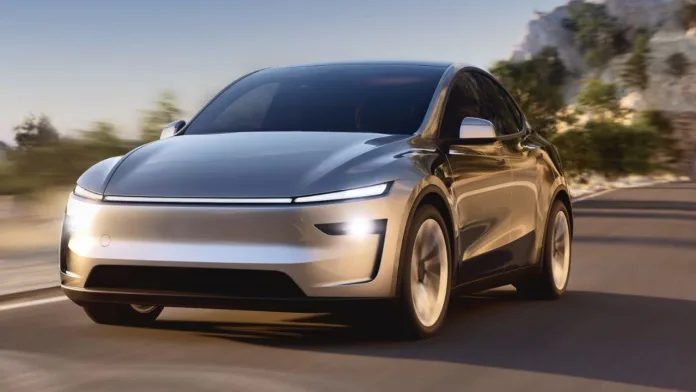

Elon Musk just crushed millions of dreams with a single sentence. The billionaire’s long-promised “affordable” Tesla won’t be the revolutionary budget EV everyone expected—it’s simply a stripped-down Model Y with fewer bells and whistles. For hopeful buyers worldwide, especially in price-sensitive markets like India, this revelation changes everything.
Table of Contents
The Cat’s Out of the Bag
During yesterday’s shareholder call, Musk finally ended months of speculation with brutal honesty. “The cat is out of the bag,” he declared, confirming that Tesla’s affordable EV strategy isn’t about creating new models—it’s about removing expensive features from existing ones.
The timing feels almost cruel. After cancelling two genuinely cheaper projects (NV91 and NV92) earlier in 2024, it’s has pivoted to a cost-cutting approach that prioritizes using underutilized production lines over genuine affordability innovation.
What “Affordable” Actually Means
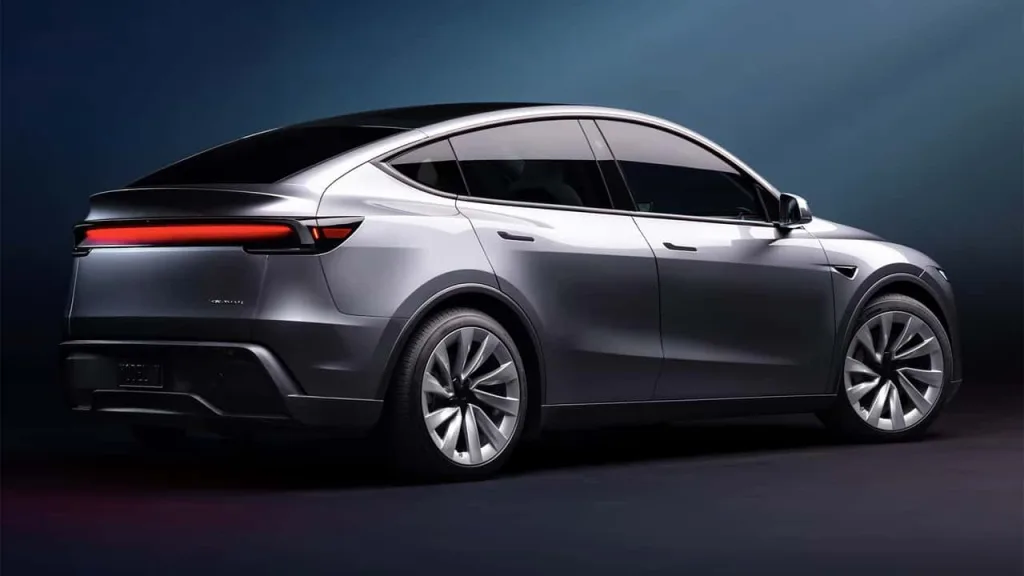
Tesla’s version of affordable involves strategic feature removal rather than fundamental cost reduction. The stripped-down Model Y will likely eliminate:
Premium Interior Elements: Say goodbye to rear entertainment screens and luxury materials that define the current Model Y experience.
High-End Finishing: Cheaper materials throughout the cabin, potentially affecting the premium feel Tesla buyers expect.
Optional Features: Many standard features may become expensive add-ons, pushing the real cost higher than advertised.
This approach reflects Tesla’s strategy to boost sales without investing in entirely new platforms—essentially offering “Tesla lite” to cost-conscious buyers.
The Indian Reality Check
For Indian consumers, Musk’s announcement stings particularly hard. Even a “cheap” Tesla faces the brutal reality of Indian taxation that transforms global affordability into local luxury.
The current Model Y carries a base price of ₹59,89,000 in India, but the real shock comes with on-road costs. In Maharashtra, expect to pay ₹61,07,190, while Haryana buyers face a crushing ₹67,33,869 due to hefty road taxes.
Even Tesla’s stripped-down version will likely remain prohibitively expensive for most Indian families, who can buy premium EVs from Tata Motors for a fraction of the cost.
Global Context: When Affordable Isn’t
Musk’s definition of “affordable” mirrors other tech giants’ pricing strategies. Just like the iPhone SE (₹44,900) or iPhone 16e (₹70,000), what companies market as budget-friendly globally often remains luxury items in developing markets.
This creates a fundamental disconnect between Tesla’s global affordability messaging and ground reality in countries like India, where customs duties and GST inflate prices dramatically.
What This Means for EV Buyers
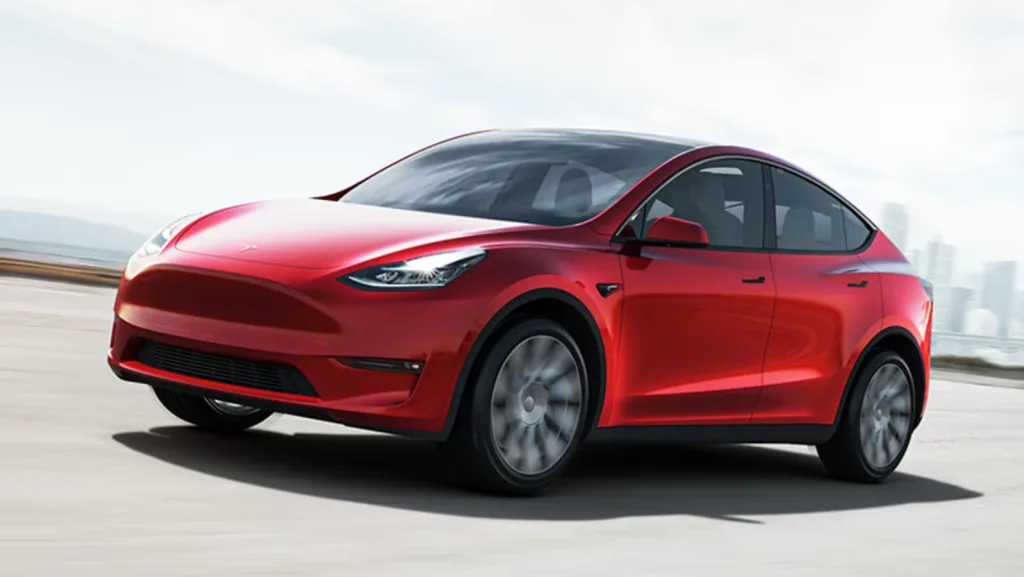
The Good: Its maintains its technological edge and build quality even in cost-reduced variants, offering premium EV experience at lower prices than flagship models.
The Bad: Without local manufacturing, Tesla’s “affordable” EV remains uncompetitive against domestic alternatives that offer similar functionality at genuinely accessible prices.
The Reality: Indian buyers seeking electric mobility have better options from local manufacturers who understand price sensitivity and local preferences.
The Bigger Picture
Tesla’s approach reveals a company more focused on maximizing profits from existing technology than pioneering truly accessible electric mobility. While this strategy makes business sense, it disappoints consumers who hoped Tesla would democratize EV ownership.
For Indian buyers specifically, this announcement reinforces the importance of supporting domestic EV manufacturers who create vehicles designed for local market realities rather than global profit margins.
The Bottom Line
Musk’s “affordable” Tesla represents missed opportunity more than market breakthrough. By choosing feature reduction over fundamental cost innovation, Tesla signals that truly accessible electric vehicles must come from companies willing to prioritize accessibility over profit margins.

