

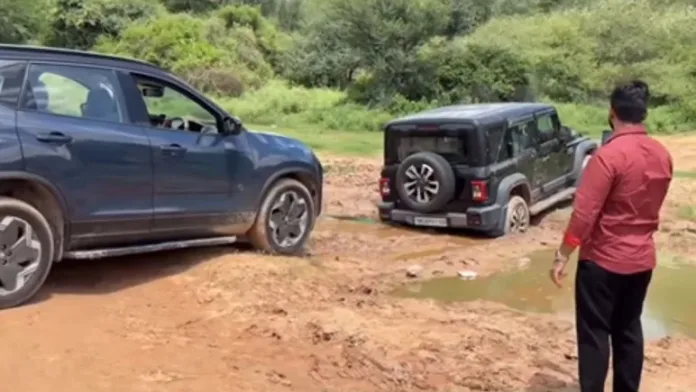

In a stunning reversal of expectations, a Tata Harrier EV recently came to the rescue of a mud-trapped Mahindra Thar Roxx, challenging everything we thought we knew about electric versus traditional off-road capabilities. This viral incident has sparked intense debate across Indian automotive circles about the real-world prowess of electric SUVs.
Table of Contents
David vs Goliath: The Unlikely Hero
The irony couldn’t be richer. The Mahindra Thar Roxx, specifically engineered for extreme off-road adventures with its 650mm water-wading depth and 4XPLOR terrain modes for Snow, Mud, and Sand, found itself helplessly stuck in mud. Enter the Tata Harrier EV—an electric SUV many assumed would shy away from such challenging terrain.
This rescue scenario flips conventional wisdom on its head, proving that electric powertrains can deliver when traditional off-road champions struggle.
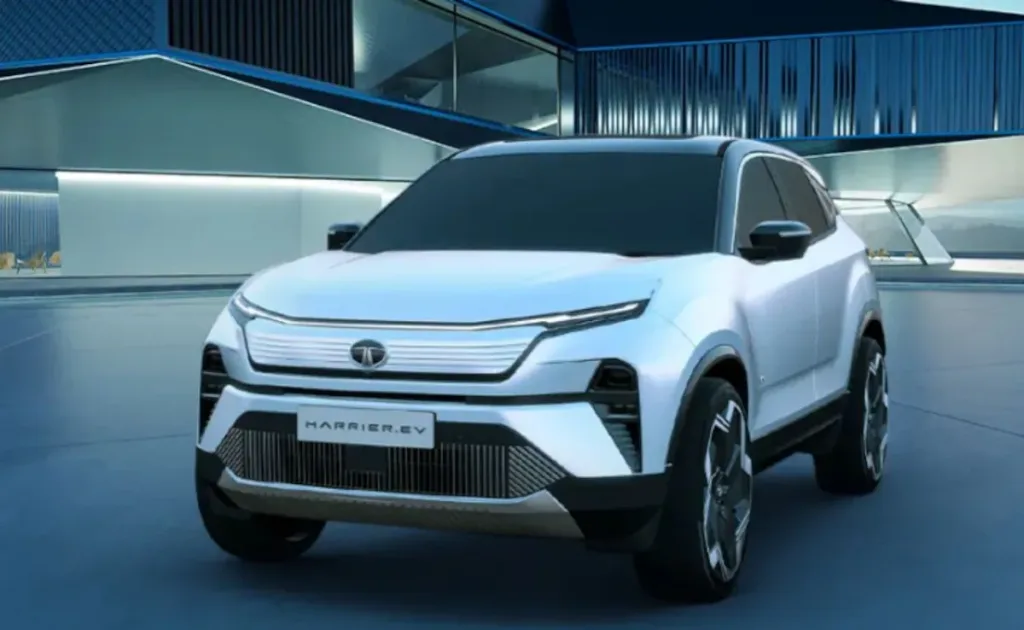
Why the Harrier EV Succeeded Where Thar Roxx Failed
Instant Torque Advantage: Electric motors deliver maximum torque from zero RPM, providing immediate pulling power that ICE engines can’t match. While the Thar Roxx was spinning its wheels, the Harrier EV’s electric drivetrain delivered consistent, controllable power exactly when needed.
All-Wheel Drive Precision: The Harrier EV AWD offers sophisticated traction control that electronically manages power distribution between wheels with millisecond precision—far more responsive than mechanical systems.
Weight Distribution Benefits: The Harrier EV’s battery placement low in the chassis creates an optimal center of gravity, improving stability and traction in challenging conditions.
Technical Specs That Made the Difference
The Harrier EV, starting at ₹21.49 lakh with a claimed 627km range, isn’t just about efficiency—it’s a capable performer. Built on Tata’s Acti.EV+ platform with multi-link rear suspension and V2L charging capabilities, it combines advanced engineering with practical capability.
Meanwhile, the Thar Roxx, despite its 2850mm wheelbase and advanced 4XPLOR terrain management, couldn’t overcome the specific mud conditions that trapped it.
Breaking Stereotypes: Electric SUVs Get Real
This rescue incident demolishes persistent myths about electric vehicles:
Myth 1: “EVs can’t handle tough terrain” Reality: Modern electric SUVs like the Harrier EV deliver superior low-end torque and traction control
Myth 2: “Electric vehicles are only for city driving” Reality: The Harrier EV’s rescue proves electric powertrains excel in challenging conditions
Myth 3: “Traditional 4x4s are always superior off-road” Reality: Smart engineering and instant electric torque can outperform conventional systems
What This Means for Indian SUV Buyers
For families choosing between electric and traditional SUVs, this incident provides compelling real-world evidence. The Harrier EV doesn’t just offer environmental benefits—it delivers genuine capability when conditions get tough.
Practical Implications:
- Electric SUVs can handle monsoon flooding and muddy rural roads
- Instant torque provides better recovery capability than ICE engines
- Advanced traction control systems offer superior grip management
The Broader Message: Electric is Ready
This rescue scenario symbolizes India’s electric vehicle evolution. We’re witnessing the moment when electric SUVs stop being seen as compromised alternatives and start being recognized as superior choices for many driving scenarios.
The Harrier EV’s success reflects broader improvements in electric vehicle engineering—better batteries, smarter traction control, and optimized weight distribution that collectively deliver real-world advantages.
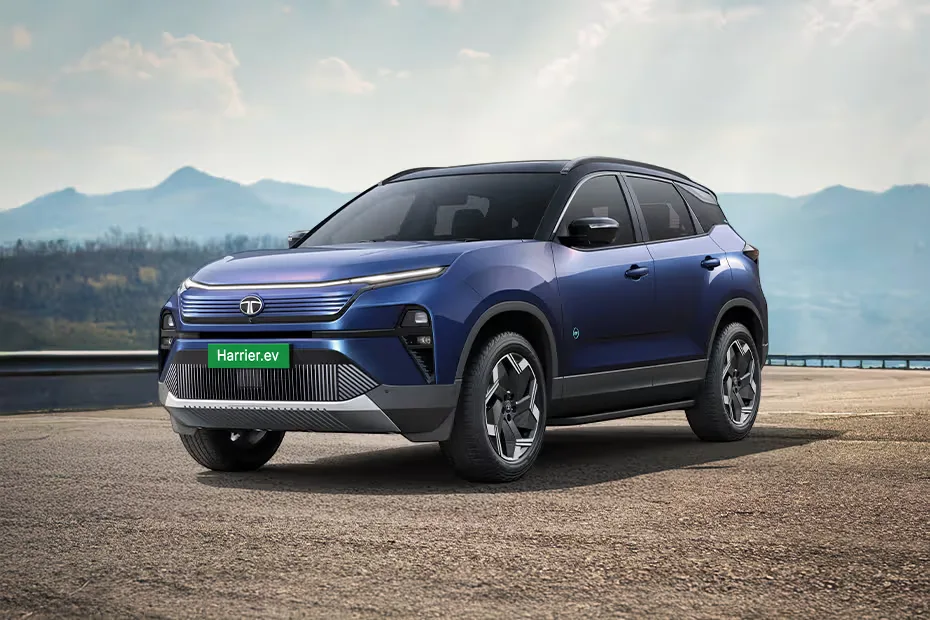
Looking Forward: New Off-Road Champions
As more manufacturers launch capable electric SUVs, incidents like this will become increasingly common. The Harrier EV’s rescue of the Thar Roxx may mark a turning point where electric becomes the preferred choice for capability-conscious buyers.
For Mahindra Thar Roxx owners, this isn’t about vehicle superiority—it’s about recognizing that electric technology has reached maturity. Sometimes, the rescuer isn’t who you expect.
The Bottom Line
One rescue incident doesn’t define vehicle superiority, but it does challenge assumptions. The Tata Harrier EV‘s successful rescue of a stuck Thar Roxx proves that electric SUVs deserve serious consideration from buyers who prioritize both capability and environmental responsibility.
Ready to reconsider electric SUVs? The Harrier EV’s real-world rescue performance might just change your perspective on what electric vehicles can actually accomplish.

