

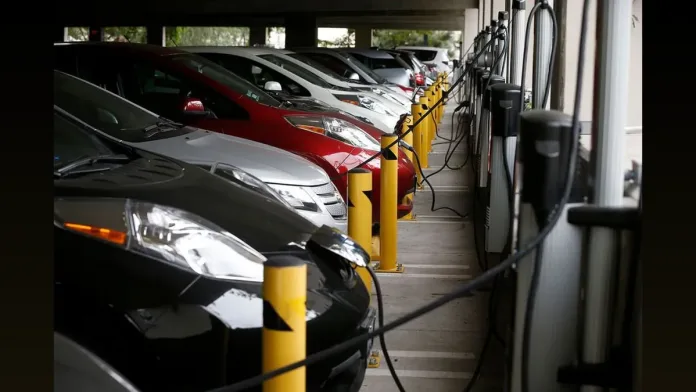

Haryana EV is revolutionizing India’s electric vehicle landscape with ambitious policies and substantial financial incentives that are transforming how residents and businesses approach sustainable transportation. The state’s comprehensive EV strategy positions it as a frontrunner in India’s green mobility revolution.
Table of Contents
Haryana EV Massive Financial Incentives Drive
Haryana’s EV policy offers substantial subsidies, including Rs 75,000 coupons for four-wheelers under Rs 10 lakhs and priority registration with minimal token fees of just Rs 100. These incentives dramatically reduce the financial burden that traditionally deterred potential EV buyers.
The state government has structured its support system across multiple vehicle categories. Electric buses receive INR 500 subsidies for all categories, covering the first 1,000 vehicles, while two-wheelers and three-wheelers benefit from targeted purchase incentives that make electric alternatives more attractive than conventional vehicles.
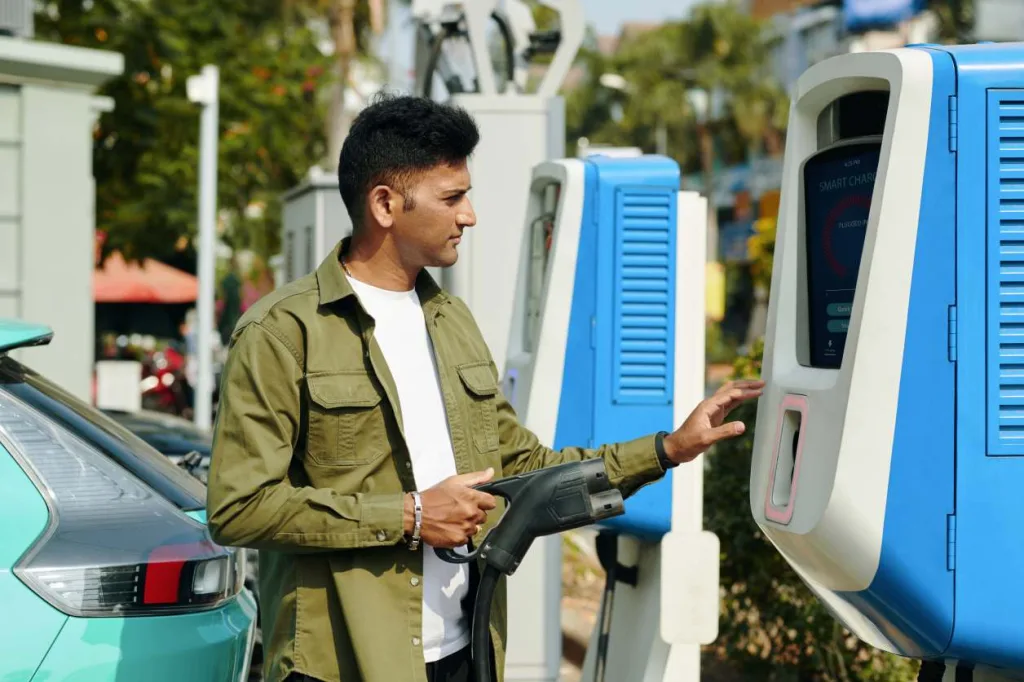
Strategic Vision: Making Haryana an EV Manufacturing Hub
Haryana aims to become a global hub for manufacturing electric vehicles, major EV components, and batteries while generating significant employment opportunities and promoting research and development. This ambitious vision extends beyond mere adoption to creating a comprehensive EV ecosystem.
The government plans to allocate 100 to 200 acres for developing Electric Vehicle Parks with plug-and-play infrastructure, common facilities, and external connectivity to attract manufacturers across the entire EV ecosystem. This infrastructure development demonstrates the state’s commitment to long-term sustainable growth.
Comprehensive Support Beyond Purchase Incentives
The policy framework extends well beyond initial purchase subsidies. Electric vehicle owners benefit from registration fee waivers, road tax exemptions, and priority registration services, creating a holistic support system that addresses multiple cost factors.
Manufacturers receive additional support through SGST reimbursements, with 3.50 percent of filed SGST eligible for reimbursement over 10 years. This dual approach benefits both consumers and manufacturers, creating a robust market environment.
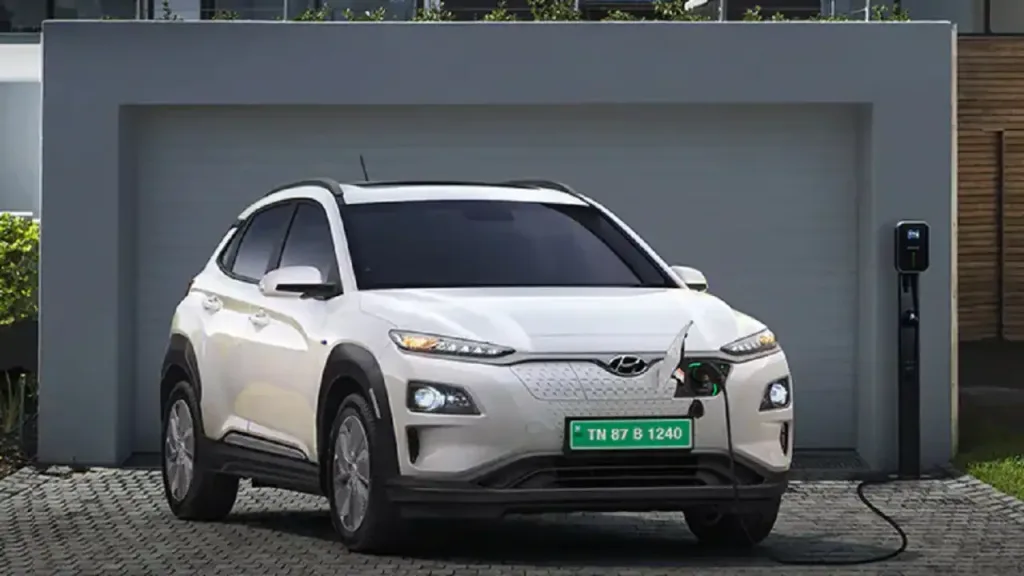
Addressing Key Adoption Barriers
As an established automobile hub, Haryana has unique opportunities to accelerate EV adoption through stronger supporting policies and expanded infrastructure. The state’s existing automotive industry provides a solid foundation for electric vehicle transition.
The policy specifically targets the “shock of higher initial acquisition cost” that typically deters buyers from choosing electric vehicles over conventional alternatives. By addressing this primary concern, Haryana removes the biggest obstacle to widespread EV adoption.
Future-Ready Infrastructure Development
The state’s approach combines immediate incentives with long-term infrastructure planning. The proposed EV Parks represent a significant investment in creating manufacturing capabilities that will serve national and international markets.
This comprehensive strategy positions Haryana not just as an EV adopter but as a leader in India’s electric vehicle manufacturing ecosystem. The policy’s multi-faceted approach addresses consumer concerns, manufacturer needs, and infrastructure requirements simultaneously.
Haryana’s EV policy represents a blueprint for sustainable transportation transformation. With substantial subsidies, comprehensive support systems, and strategic infrastructure development, the state is accelerating India’s journey toward electric mobility while creating economic opportunities for its residents.
The success of these initiatives could influence similar policies across India, making Haryana a crucial player in the nation’s electric vehicle future.

