

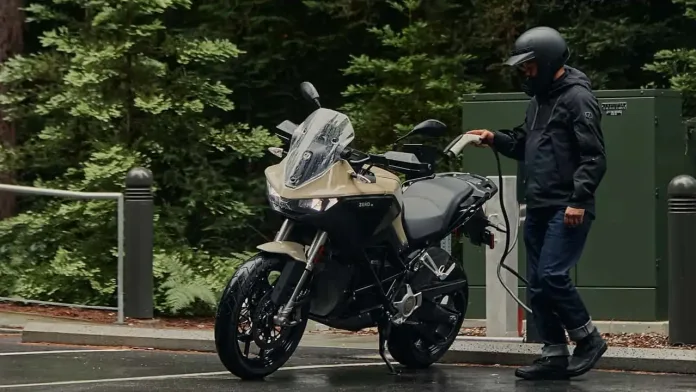

The numbers are staggering, and frankly, infuriating. The U.S. government allocated over $7 billion for electric vehicle infrastructure through the Inflation Reduction Act, yet managed to build only 400 charging stations. This isn’t just government inefficiency – it’s a masterclass in how bureaucratic red tape can strangle America’s clean energy future.
Table of Contents
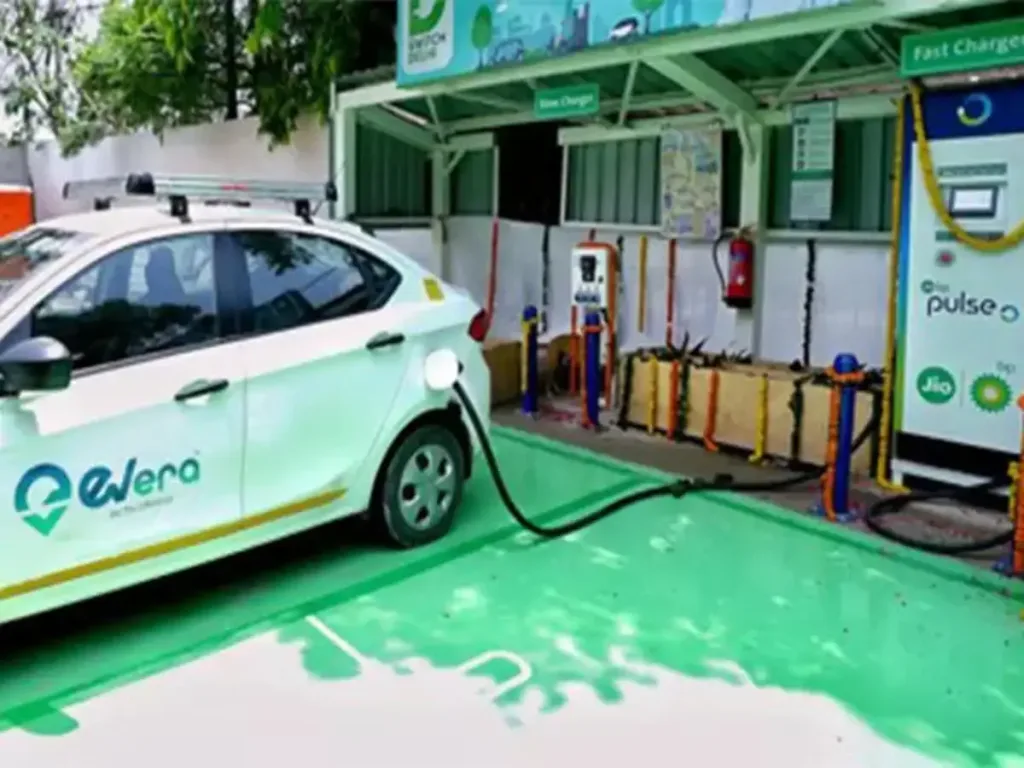
The Shocking Reality of Federal EV Spending
According to a Government Accountability Office report, as of April 2025, only 384 charging ports are operational across 68 stations in 16 states. Let that sink in: $7.5 billion allocated, and we have fewer charging stations than most small cities have gas stations.
The math is mind-boggling. Even accounting for the $1.5 billion actually spent (with $6 billion still unspent), that’s roughly $3.9 million per charging station. You could build a small hospital for that amount.
Why Your Tax Dollars Are Stuck in Bureaucratic Quicksand
The root problem isn’t just political gridlock – it’s the labyrinthine process required to access federal funds. State agencies face a minimum three-year gauntlet just to reach the point where they might potentially access funding. Not three years to complete projects. Three years to maybe start them.
This bureaucratic nightmare includes:
- Multiple layers of federal permitting requirements
- Countless mandatory handshakes between agencies
- Environmental impact studies that drag on indefinitely
- State-by-state compliance verification processes
As policy expert Ezra Klein highlighted, the system is designed to create delays, not solutions. Every well-intentioned regulation adds another month, another form, another approval process that benefits no one except the bureaucrats who process the paperwork.
The Political Football That’s Fumbling America’s Future
The current Trump administration has effectively frozen fund distribution, with many states filing lawsuits to access their allocated money. Meanwhile, the administration threatens to claw back the $6 billion in unspent funds, arguing that the program represents wasteful government spending.
But here’s the catch: both political parties share responsibility for this mess. Democrats created an overly complex system wrapped in environmental and social justice requirements. Republicans are now using that complexity as justification to abandon EV infrastructure entirely.
The real losers? American families who want cleaner transportation options and businesses ready to invest in electric vehicle adoption.
What This Means for America’s Electric Future
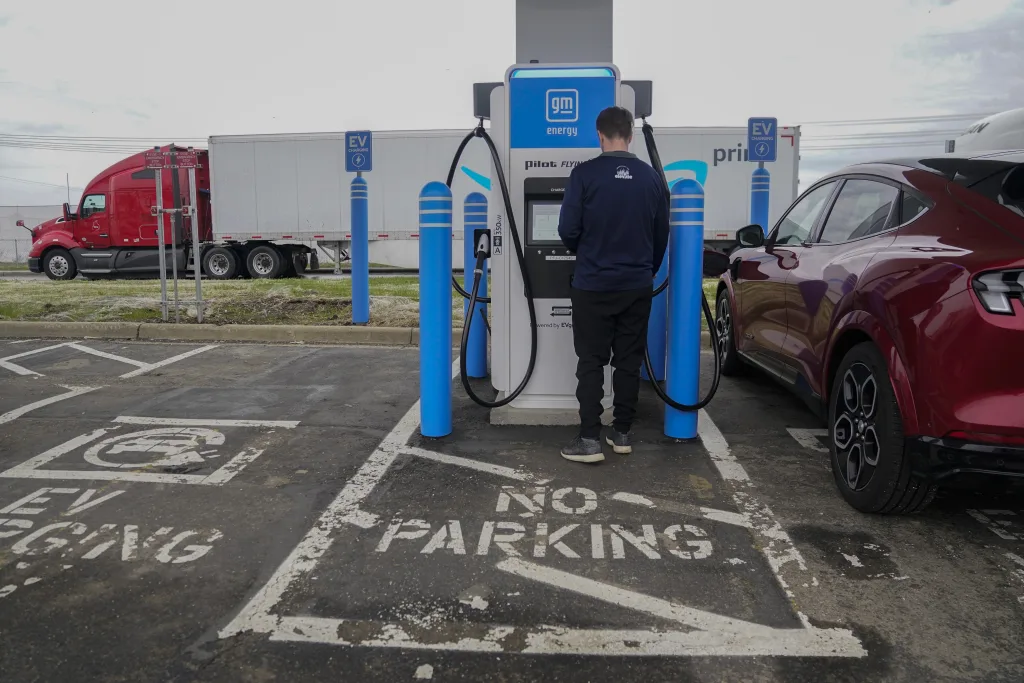
While the federal government fumbles with red tape, private companies like Tesla have built thousands of charging stations using their own capital. Tesla’s Supercharger network now spans the country because they didn’t wait for government approval at every step.
This stark contrast highlights a fundamental question: Should critical infrastructure development depend on government efficiency, or should we create frameworks that empower private investment while maintaining public oversight?
The Hidden Costs of Bureaucratic Paralysis
Beyond the obvious waste of taxpayer dollars, this EV infrastructure failure has cascading effects:
Consumer Confidence: Potential EV buyers remain hesitant due to charging anxiety, slowing adoption rates.
Economic Opportunity: Communities miss out on construction jobs and long-term maintenance employment.
Climate Goals: America falls further behind Europe and China in clean transportation infrastructure.
Innovation Stagnation: Startup charging companies can’t compete against promised federal funding that never materializes.
A Path Forward That Actually Works
The solution isn’t abandoning EV infrastructure – it’s fixing the broken system that prevents progress. This means:
Streamlining the approval process to months, not years. Allowing states to use federal funds with post-project auditing instead of pre-approval bureaucracy. Creating public-private partnerships that leverage private sector efficiency with public sector scale.
Most importantly, it means holding politicians accountable for results, not just good intentions.
The Bottom Line for American Taxpayers
Seven billion dollars should build world-class charging infrastructure that makes electric vehicles practical for every American family. Instead, we have 400 charging stations and a cautionary tale about government dysfunction.
Whether you support EVs for environmental reasons, energy independence, or economic opportunity, this debacle should anger you. Your tax dollars deserve better. America’s energy future deserves better.
The question isn’t whether we should invest in EV infrastructure – it’s whether we’ll demand a government that can actually deliver on its promises. Until then, expect more billion-dollar programs that produce PowerPoint presentations instead of power outlets.

