

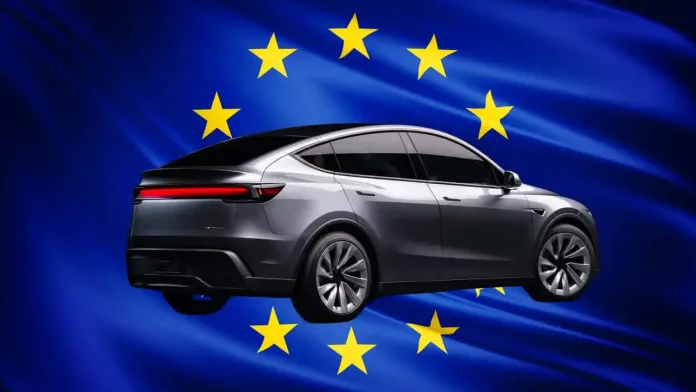

The European electric vehicle landscape just witnessed a seismic shift. Tesla‘s reign as Europe’s top-selling EV maker has officially ended, with Volkswagen claiming the crown after Tesla recorded a devastating 33% year-over-year drop in sales from January to June 2025. This dramatic reversal marks a pivotal moment in the global EV race, showing that even pioneering brands aren’t immune to competitive pressure.
Table of Contents
The Numbers Tell a Stark Story
The preliminary sales figures from Data Force paint a clear picture of Tesla’s European struggles. From January to June, Tesla sold 108,878 cars in the European Union, EFTA markets, and the United Kingdom – a significant decline that opened the door for traditional automakers to surge ahead.
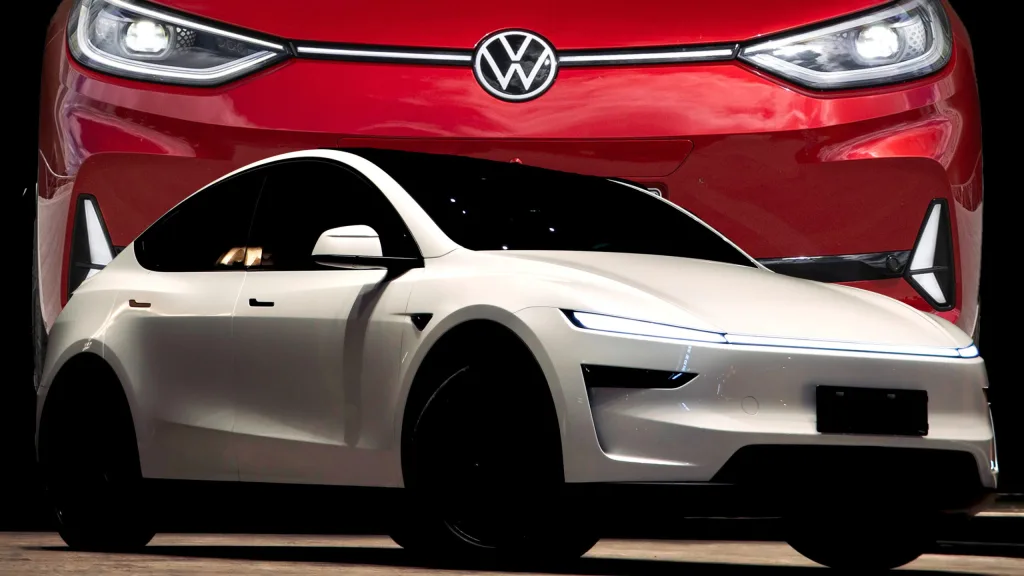
Meanwhile, Volkswagen moved 133,465 EVs during the same period, representing a massive 78% year-over-year increase. This means Volkswagen sold 24,587 more EVs in Europe than Tesla, firmly securing its position as the regional leader. The contrast couldn’t be more dramatic – while Tesla fell by a third, Volkswagen nearly doubled its performance.
Legacy Automakers Strike Back
This isn’t just about Volkswagen’s triumph; it’s about the broader resurgence of traditional automakers in the electric space. BMW, Skoda, and Renault also gained significant ground in the first half of the year, proving that legacy auto has found its electric rhythm.
BMW emerged as the third-best-selling EV company in Europe, with 93,576 units sold – a solid 14% increase over the same period last year. This steady growth demonstrates BMW’s strategic approach to electric vehicle rollout, building sustainable momentum rather than chasing dramatic spikes.
Skoda delivered perhaps the most impressive performance with an incredible 146% increase in sales, totaling 70,947 EVs sold from January to June. Thanks to the massively popular Elroq and updated Enyaq, Skoda has positioned itself as a serious electric contender, appealing to European consumers seeking practical, well-designed electric vehicles.
Design and Innovation Drive European Success
Renault’s story particularly illustrates how thoughtful design can capture consumer imagination. The French automaker saw its EV sales jump 58%, mostly thanks to the retro-looking Renault 5. This success proves that European consumers respond enthusiastically to vehicles that combine electric innovation with distinctive, culturally resonant design.
These diverse success stories – from Skoda’s practical approach to Renault’s nostalgic appeal – demonstrate that European EV buyers value variety and aren’t exclusively drawn to Tesla’s minimalist aesthetic and technology-first positioning.
Tesla’s Continued Model Dominance Despite Brand Decline
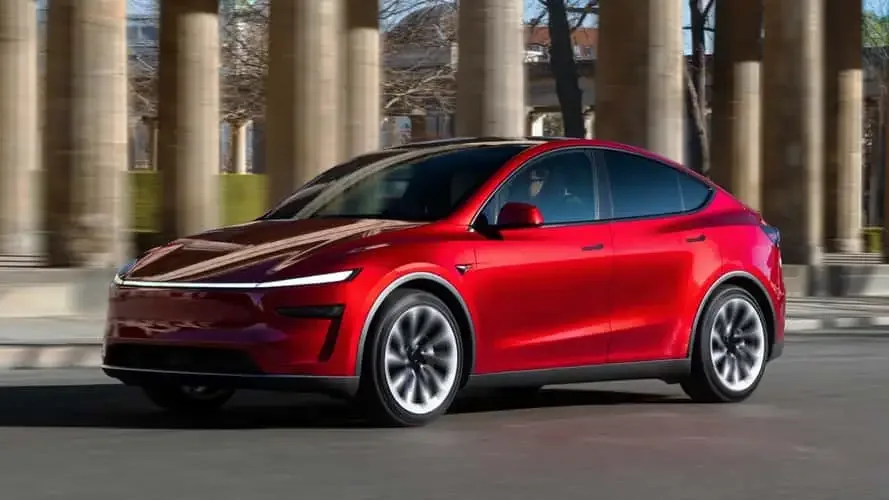
Paradoxically, even as Tesla loses market share, its individual models remain highly competitive. The Tesla Model Y was the best-selling EV in Europe in the first six months of this year, though its numbers fell by over 30%. The best-selling EVs in Europe were the Tesla Model Y, Tesla Model 3, Volkswagen ID.4, Volkswagen ID.7, and Volkswagen ID.3.
This situation reveals an interesting market dynamic: Tesla’s products remain desirable, but the brand faces intensifying competition from multiple directions. European consumers now have compelling alternatives that match Tesla’s appeal while offering different value propositions.
Market Growth Amid Shifting Leadership
The broader European EV market continues its robust expansion despite Tesla’s struggles. Overall, the European EV market increased by 24% year-over-year, growing from 944,858 units in the first half of 2024 to 1,177,051 this year. This growth indicates that Tesla’s decline represents market share redistribution rather than overall demand weakness.
Tesla managed to be the best-selling EV company in Europe during June specifically, but that wasn’t enough to maintain its first-half leadership. Out of the top five EV makers in June, Tesla was the only one experiencing decline, with 32,605 cars sold representing a 21% year-over-year drop.
The New European EV Reality
Tesla’s European decline signals a mature, competitive electric vehicle market where brand heritage, local preferences, and diverse product offerings matter as much as technological innovation. Traditional automakers have successfully leveraged their manufacturing expertise, dealer networks, and understanding of regional preferences to challenge Tesla’s early dominance.
Europe’s EV future now features multiple strong players rather than Tesla’s previous near-monopoly, creating a healthier, more competitive marketplace for consumers.

