


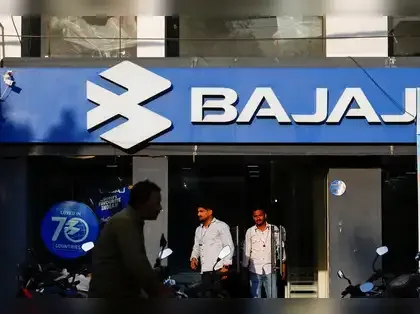
Bajaj Auto‘s stock tumbled over 2.5% on Friday following a shocking revelation from Managing Director Rajiv Bajaj: the company faces potential zero electric vehicle production in August due to China’s stranglehold on rare earth magnet exports.
Table of Contents
The Perfect Storm Hitting India’s EV Giant
What started as a supply chain hiccup has escalated into an existential crisis for one of India’s most successful EV manufacturers. Rajiv Bajaj didn’t mince words when speaking to The Economic Times: “Our component inventory saw us through until June, but we are down by half in terms of production in the current month, and I am afraid that we are looking at a zero month in August as of now.”
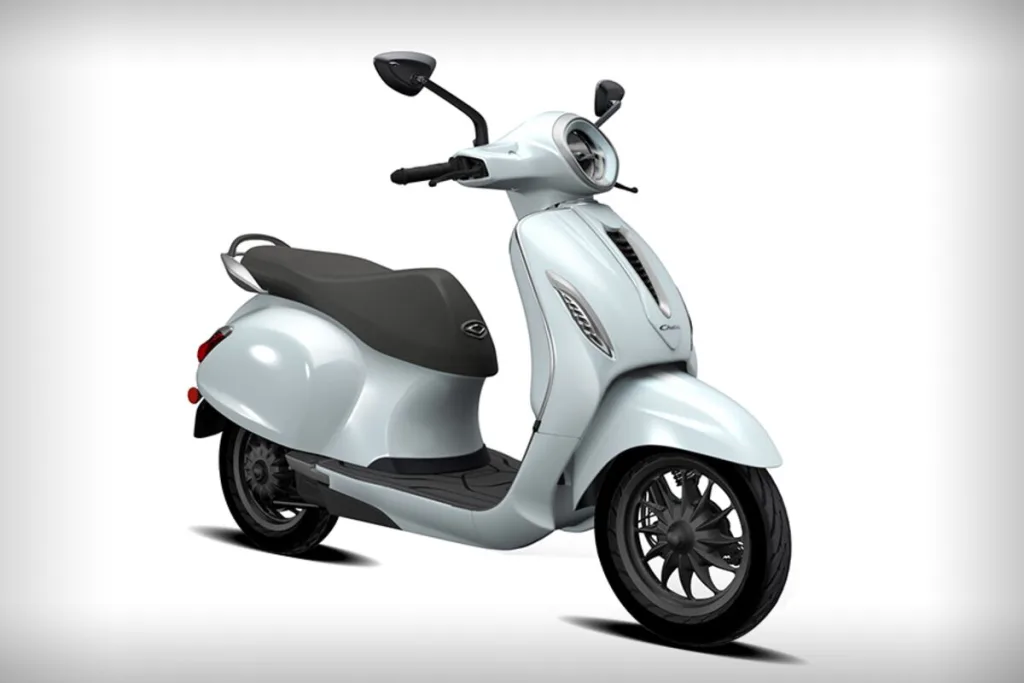
The timing couldn’t be worse. Bajaj Auto had recently claimed pole position in both the electric scooter segment with its Chetak and the electric three-wheeler segment with its GoGo. Just when the company was riding high on EV success, China’s export restrictions brought production to a grinding halt.
Why This Crisis Runs Deeper Than Numbers
This isn’t just about delayed deliveries or minor production hiccups. As Bajaj explained, “Should that happen, it would not be just a significant impact on our leading share and revenue, but also on our EBITDA as our EV portfolio is now reasonably profitable.”
The financial implications are staggering. Bajaj Auto’s EV division had finally reached profitability – a milestone many manufacturers struggle to achieve. Now, that hard-won success hangs in the balance as the festive season approaches, traditionally the strongest period for vehicle sales in India.
China’s Strategic Chokehold on Global EVs
China’s April decision to suspend exports of various critical minerals and magnets has disrupted supply chains vital to automakers, aerospace manufacturers, semiconductor firms, and military contractors worldwide. This isn’t accidental – it’s a calculated move in the ongoing trade conflict with the United States.
The scale of disruption is unprecedented. Shipments of magnets, essential for assembling cars, drones, robots, and missiles were stopped at several Chinese ports last month as licence applications underwent review by Chinese regulators. German automakers have already issued warnings about potential production halts.
The Desperate Search for Alternatives
Bajaj recognizes the urgency of finding solutions beyond China’s monopolistic grip. However, the reality is sobering. Changing product design or the supply chain is easier said than done because it would set the company back in terms of quality and cost.
This predicament highlights a critical vulnerability in India’s EV ambitions. Despite government push for electric mobility and substantial investments in domestic manufacturing, crucial components still depend on Chinese suppliers.
What This Means for Investors and Consumers
The immediate impact on Bajaj Auto’s stock price reflects investor anxiety about the company’s near-term prospects. But the implications extend far beyond one company’s financial performance.
For consumers eagerly waiting for Chetak scooters or businesses depending on electric three-wheelers, delivery delays are now inevitable. The festive season demand, crucial for annual sales targets, faces significant disruption.
The Road Ahead: Adaptation or Stagnation?
The situation underscores concerns from Tokyo to Washington, as officials search for alternative sources amid fears that production of new vehicles and other products could come to a halt by the end of summer.
Bajaj Auto‘s crisis serves as a wake-up call for India’s entire EV ecosystem. The company that once symbolized India’s EV success story now epitomizes the risks of over-dependence on Chinese supply chains.
The question isn’t just whether Bajaj Auto can weather this storm, but whether India’s EV revolution can truly achieve self-reliance in the face of geopolitical tensions and supply chain vulnerabilities.

