

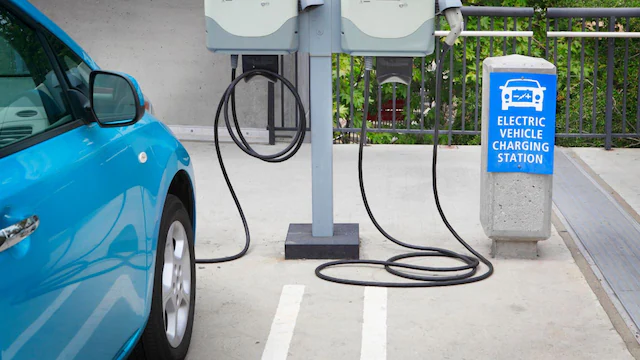

Delhi’s bustling streets filled with silent, emission-free vehicles humming past the historic Red Fort. This vision just got a crucial lifeline as the Delhi government extended its groundbreaking Electric Vehicle Policy until March 31, 2026, giving stakeholders precious time to shape the capital’s green future.
Table of Contents
Why the Extension Matters
Transport Minister Pankaj Singh announced this strategic move on Tuesday, acknowledging that transforming a megacity’s transportation ecosystem requires more than just good intentions—it demands thorough consultation and careful planning.
The extension isn’t a delay; it’s democracy in action. The government plans in-depth consultations with citizens, industry experts, private players, and environmental organizations to ensure the new policy truly serves everyone’s interests.
What’s at Stake?
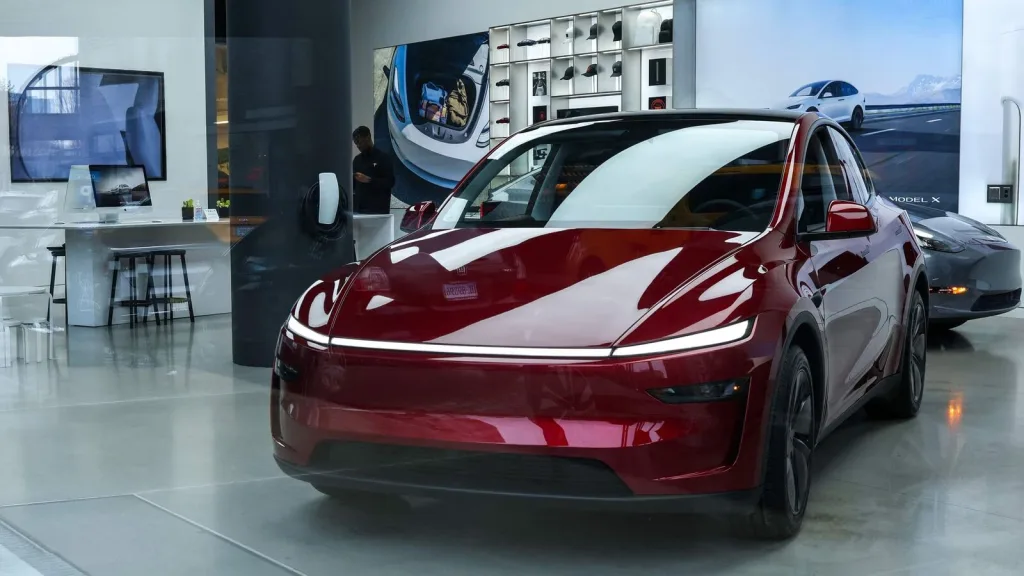
Delhi’s current EV policy has already earned recognition as “the most progressive EV policy in India and among the best globally”. The stakes couldn’t be higher as the capital works toward its ambitious goal of having electric vehicles comprise 25% of all vehicle sales.
The proposed EV Policy 2.0 contains game-changing provisions that could revolutionize urban mobility. The draft proposes banning internal combustion engine three-wheeler registrations from August 2025 and ICE two-wheelers from August 2026.
The Bigger Picture
This extension reflects a mature approach to policymaking. Rather than rushing into implementation, Delhi’s leadership recognizes that sustainable change requires building consensus among all stakeholders. The capital’s 30 million residents deserve policies crafted through inclusive dialogue, not boardroom decisions.
The timing is particularly significant given India’s national target of achieving 30% EV penetration by 2030. Delhi’s policy will likely serve as a blueprint for other Indian cities grappling with similar air quality and mobility challenges.
What Happens Next?
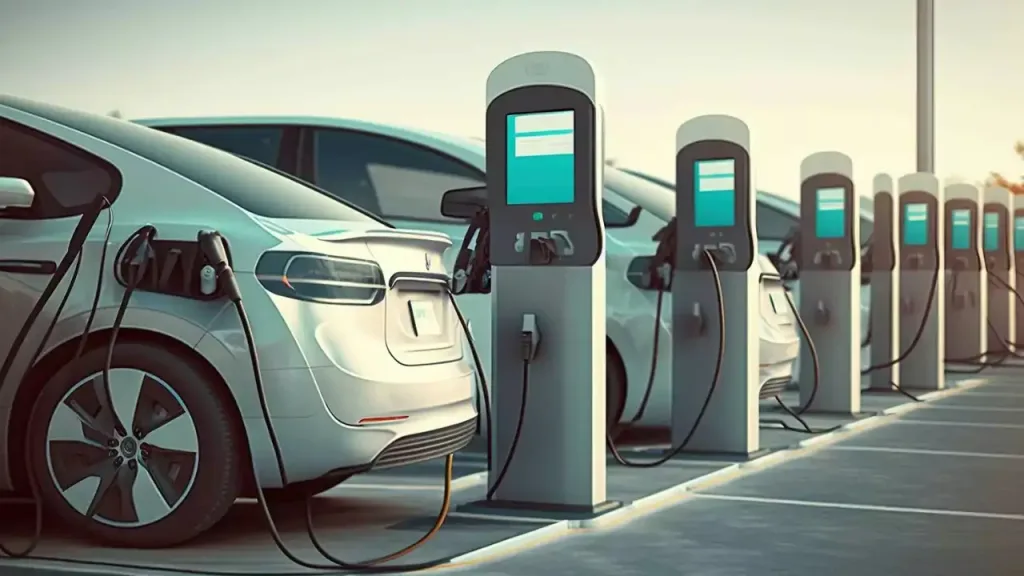
During the extended timeline, expect robust public consultations, industry roundtables, and citizen feedback sessions. The government will use this period to address concerns, refine incentives, and ensure the charging infrastructure can support the ambitious transition timeline.
Environmental organizations will push for stronger emission reduction targets, while industry players will advocate for realistic implementation schedules. Citizens will want assurance about affordability and convenience.
The Road Ahead
Delhi’s EV policy extension isn’t just about electric vehicles—it’s about reimagining urban life. Cleaner air, quieter streets, and reduced dependence on fossil fuels represent more than environmental benefits; they promise improved quality of life for millions.
As stakeholders prepare for upcoming consultations, one thing remains clear: Delhi’s commitment to becoming a global leader in sustainable urban mobility hasn’t wavered. The extension simply ensures that when the new policy launches, it will be robust, inclusive, and ready to transform the capital into an electric vehicle pioneer.
The next 20 months will determine whether Delhi can successfully balance ambition with practicality, creating a model other cities worldwide can follow.

