

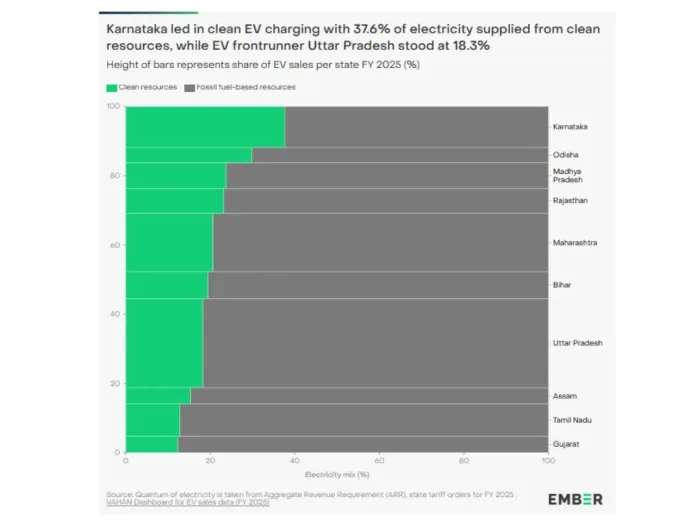

EV Charging, India’s electric vehicle revolution is accelerating, and one state is leading the charge toward a cleaner future. Karnataka has emerged as the champion of clean EV charging, powering 37.6% of its electric vehicles through renewable energy sources—a milestone that’s reshaping how we think about sustainable transportation.
Table of Contents
The Numbers Tell an Incredible Story
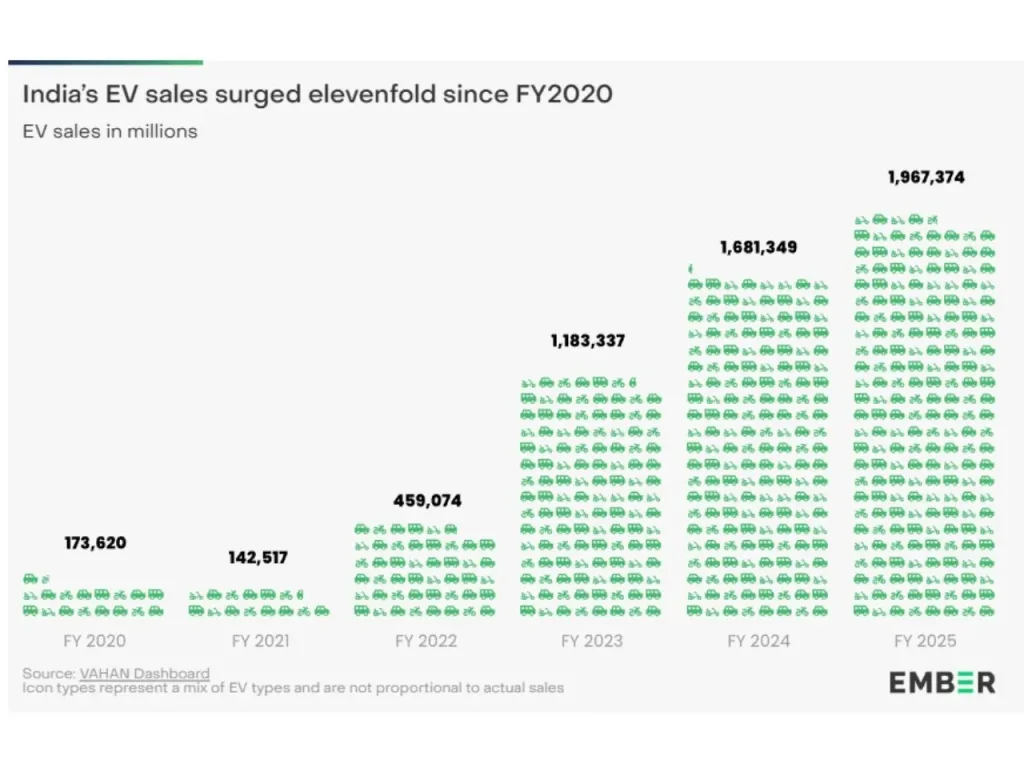
Picture this: in just five years, India’s EV registrations exploded from a modest 175,000 units in 2020 to nearly 1.9 million units in 2025. That’s an elevenfold increase that would make any startup founder jealous! The real shocker? Electric four-wheelers grew by an astounding 100-fold, jumping from just over 1,000 units to more than 100,000 units.
But here’s where it gets interesting—not all states are created equal when it comes to clean charging.
Karnataka: The Clean Energy Champion
According to Ember’s groundbreaking report “From fossil to flexible: Advancing India’s road transport electrification,” Karnataka stands tall as India’s cleanest EV charging destination. With 37.6% of its electricity mix coming from solar, wind, and hydro power, the state is proving that going green doesn’t mean sacrificing growth.
Following Karnataka’s lead, Odisha secured second place at 29.8%, largely thanks to its robust hydroelectric infrastructure. Meanwhile, Assam also leveraged significant hydro resources, while Rajasthan (24.2%) and Madhya Pradesh (23.8%) showed impressive wind and solar adoption.
The Uttar Pradesh Paradox
Here’s where the story takes an interesting turn. Uttar Pradesh, India’s largest EV market by sheer volume, manages only 18.3% clean electricity for EV charging. Despite being the king of quantity, UP lags behind in quality when it comes to renewable energy integration.
Even more surprising? Resource-rich states like Gujarat (12.3%) and Tamil Nadu (12.8%)—blessed with abundant solar and wind potential—are underperforming in clean electricity delivery for EVs. This reveals a crucial gap between renewable energy potential and actual implementation.
The Game-Changing Opportunity
The most exciting revelation from the report? India needs just 3% of its National Electricity Plan’s wind and solar capacity targets to power the entire country’s EV fleet by 2032. Think about that for a moment—a tiny fraction of our renewable energy goals could electrify every car, bike, and auto-rickshaw on Indian roads.
Green Tariffs: The Smart Solution
The report highlights an innovative approach gaining momentum: green tariffs. This mechanism allows consumers to procure renewable electricity by paying a premium to their electricity distribution company (DISCOM). It’s like choosing organic food—you pay a bit more, but you know you’re making a healthier choice for the planet.
Different states offer varying green tariff premiums, creating opportunities for EV owners to directly support clean energy while charging their vehicles. This isn’t just about environmental responsibility; it’s about creating a sustainable ecosystem where clean transportation drives demand for renewable energy.
The Road Ahead
Karnataka’s success story isn’t just about numbers—it’s about vision. The state demonstrates that with the right policy framework and infrastructure investments, clean EV charging isn’t just possible; it’s profitable and practical.
As more states follow Karnataka’s blueprint, we’re witnessing the dawn of a new era where electric vehicles become catalysts for renewable energy adoption. The question isn’t whether India can achieve clean transportation—Karnataka has already shown us how. The question is: which state will be next to join this clean energy revolution?
The future of Indian transportation is electric, and Karnataka is lighting the way forward.

