


Delhi’s electric vehicle journey just hit another speed bump. The city government has once again extended its EV policy deadline, this time pushing it to November 2024, as the highly anticipated revised draft remains stuck in bureaucratic limbo. For thousands of Delhi residents planning their next vehicle purchase, this delay brings both relief and uncertainty.
Table of Contents
The Extension Game: Why Delhi Keeps Pressing Pause
According to top sources with knowledge of the situation, the Delhi government extended the deadline for its Electric Vehicle (EV) Policy by four months, to November 15, because a draft of the new policy is still being reviewed and approved. This isn’t the first time Delhi has kicked the can down the road – the policy has been extended multiple times, creating a pattern of delays that’s becoming all too familiar.
The Real Story Behind the Delay
Delhi is weighing another extension of its expiring EV policy as the draft of its updated version remains under review. The truth is, crafting an effective EV policy isn’t just about good intentions – it’s about balancing ambitious environmental goals with practical implementation challenges.
Transport Minister Pankaj Singh’s office is working overtime to finalize a policy that won’t just sound good on paper but will actually work for Delhi’s diverse transportation ecosystem.
What’s Coming in EV Policy 2.0: Game-Changing Targets
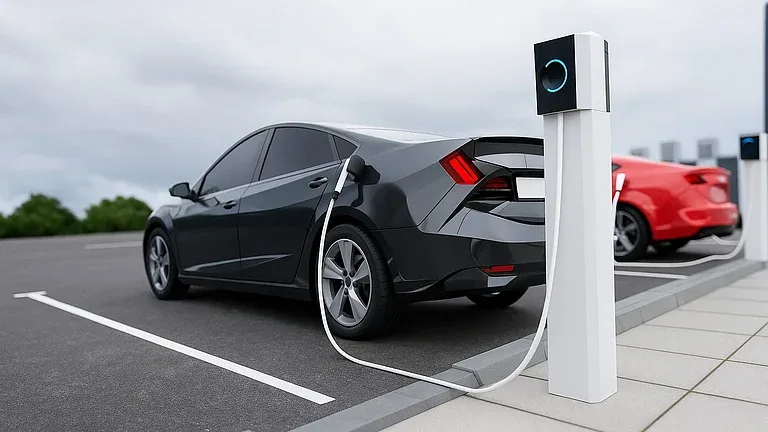
The wait might be worth it. The policy aims for 95% of new vehicles registered in Delhi to be electric by 2027, with an ambitious stretch goal of 98% by 2030 – a massive leap from the current targets.
Bold Mandates on the Horizon
Delhi has mandated that every household’s third private car must be an electric vehicle. This isn’t just policy speak – it’s a direct impact on middle-class families who own multiple vehicles.
The Phase-Out Timeline
The EV policy proposes that internal combustion engine (ICE) three-wheeler registrations will be banned from August 2025 and ICE two-wheelers from August 2026. Auto-rickshaw drivers and delivery partners need to start planning now.
Financial Incentives: Your EV Shopping Just Got Cheaper
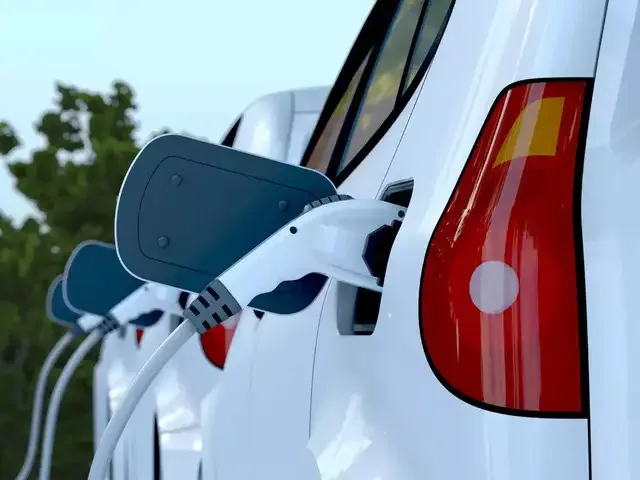
Here’s the good news for potential EV buyers: According to Vahan data, 85,285 EVs were registered in 2024 in the national capital as against 73,683 units in 2023. The momentum is building, and subsidies are still flowing.
What’s in Your Wallet
The government is planning substantial subsidies, with two-wheeler buyers potentially receiving up to ₹30,000 in benefits. Combined with central government schemes, your EV purchase could become significantly more affordable.
The Pollution Connection: Why This Matters
Considering 42% of the vehicular pollution (PM 2.5) in Delhi is caused by 2&3 wheelers, their adoption is also crucial for reducing vehicular pollution. Every delayed policy day means more polluted air for Delhi’s 30 million residents.
The Health Cost of Delays
While bureaucrats debate policy details, Delhi’s air quality continues to deteriorate. The extension might provide breathing room for policy makers, but it’s literally taking away clean breathing air from citizens.
What Should You Do Now?
For Immediate Buyers: Current subsidies remain valid until November. If you’re planning to buy a two-wheeler or looking to replace your auto-rickshaw, now is still a good time.
For Future Planners: Start researching EV options and charging infrastructure in your area. The new policy will likely offer better incentives, but supply chain constraints might create waiting periods.
For Business Owners: Fleet operators and delivery companies should begin transitioning strategies now. The 2025-2026 deadlines aren’t suggestions – they’re mandates.
The Bottom Line
Delhi’s EV policy extension reveals the complex reality of transitioning an entire city’s transportation system. While the delays are frustrating, they might result in a more practical and effective policy.
The question isn’t whether Delhi will go electric – it’s how quickly residents can adapt to the inevitable change. Your next vehicle purchase decision just became more important than ever.

