

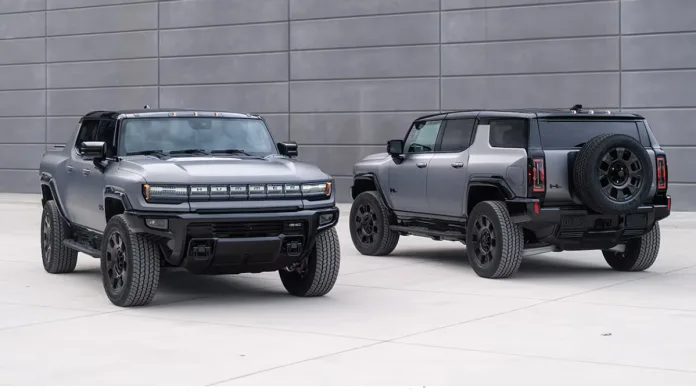

In a stunning turn of events that has sent shockwaves through the electric vehicle industry, the GMC Hummer EV has officially outsold Tesla’s much-hyped Cybertruck in the second quarter of 2025. This unexpected victory marks a dramatic shift in America’s electric pickup truck landscape.
Table of Contents
The Numbers Tell a Surprising Story
Tesla sold just 4,306 Cybertrucks in the second quarter, while GMC managed to move 4,805 Hummer EVs (including both pickup and SUV variants). This represents a significant blow to Tesla’s dominance in the electric vehicle market and signals that consumers are ready to embrace alternatives to Elon Musk’s polarizing steel-clad truck.
The sales figures reveal more than just numbers – they tell the story of changing consumer preferences and the growing competitive landscape in electric trucks. For a vehicle that generated millions of pre-orders and endless headlines, the Cybertruck’s Q2 performance feels surprisingly modest.
From Hype to Reality: Cybertruck’s Stumbling Block
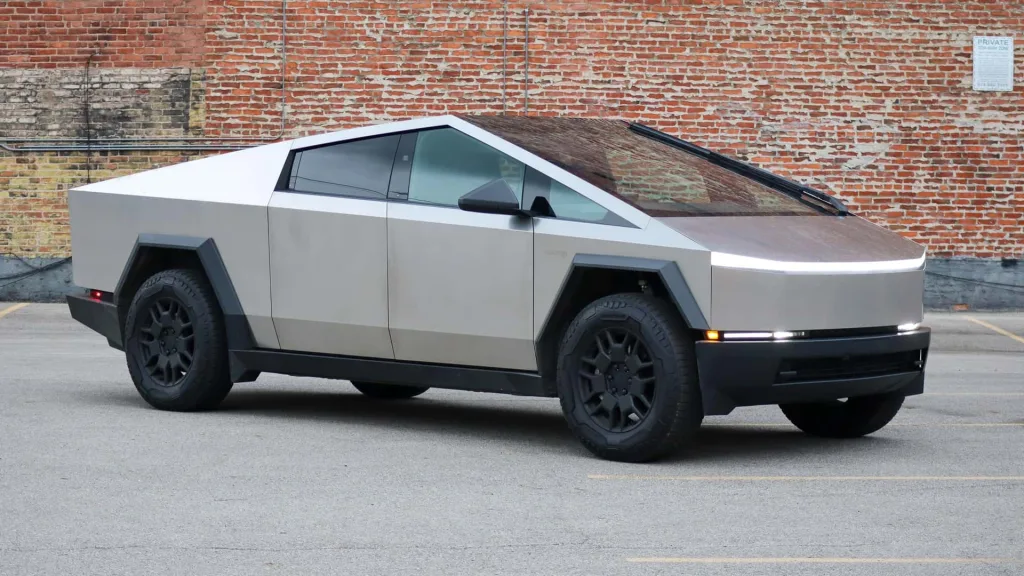
Sales of Tesla’s Cybertruck have plummeted from their peak last year, raising questions about whether the futuristic design and bold promises could translate into sustained market success. The Cybertruck, once seen as a revolutionary game-changer, now faces the harsh reality of actual market competition.
Tesla’s struggle isn’t just about one bad quarter. The company that once dominated electric vehicle conversations is now fighting for market share against established automakers who’ve learned to play the EV game. The Cybertruck’s unconventional design, while generating buzz, may be limiting its appeal to mainstream truck buyers who prefer more traditional aesthetics.
The Hummer’s Unexpected Comeback
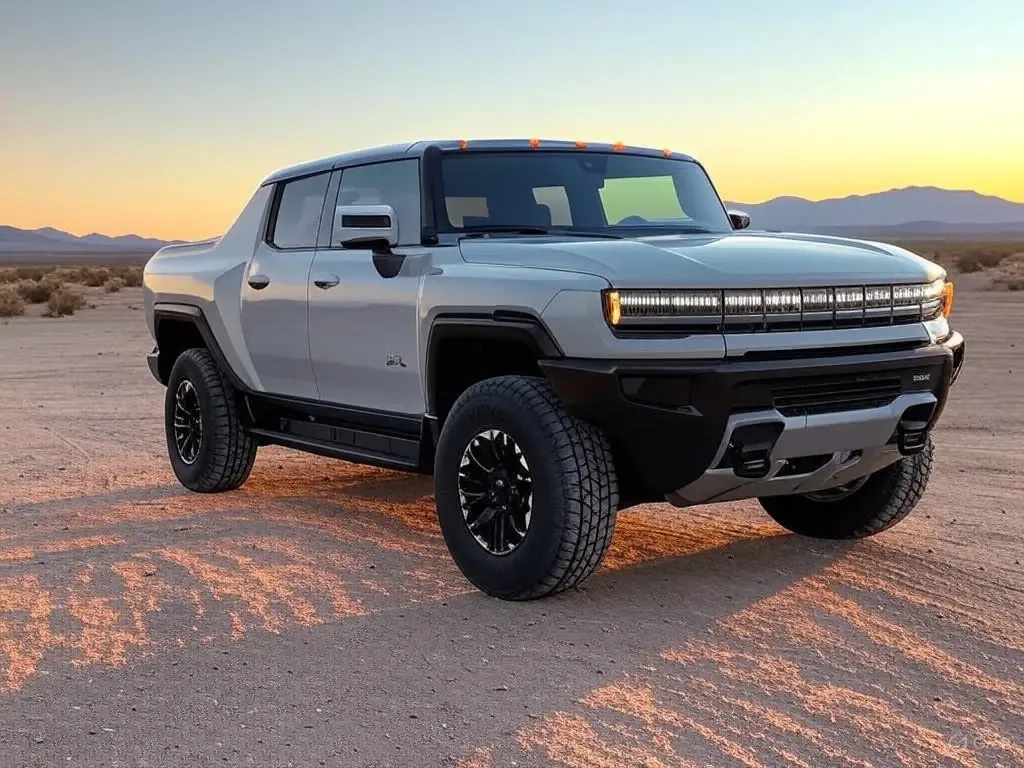
Who would have predicted that the Hummer – a brand once synonymous with gas-guzzling excess – would become an electric vehicle success story? The Hummer EV has consistently improved its sales from Q1 2024 to Q2 2025, finally overtaking Tesla in the recent quarter’s analysis.
General Motors deserves credit for transforming the Hummer from an environmental villain into an electric hero. The Hummer EV offers something the Cybertruck struggles with: familiarity wrapped in innovation. It looks like a truck that truck buyers recognize, but with cutting-edge electric technology under the hood.
What This Means for Electric Truck Buyers
For consumers shopping for electric trucks, these sales figures reveal important market dynamics. The Hummer EV’s success suggests that buyers want electric capability without sacrificing the traditional truck experience. While the GMC Hummer EV starts at $99,045 compared to the Cybertruck’s $72,235 base price, consumers appear willing to pay premium prices for familiar design.
The Hummer EV also offers superior range compared to the Cybertruck and features a more conventional interior that many buyers find appealing. Sometimes, revolutionary design isn’t what the market wants – sometimes, evolution wins over revolution.
The Bigger Picture: Ford Still Leads
While the GMC-Tesla battle captures headlines, Ford’s F-150 Lightning continues to dominate the electric truck segment overall. This three-way competition benefits consumers by driving innovation, improving features, and keeping prices competitive.
The electric truck market is no longer Tesla’s to lose – it’s everyone’s to win. Traditional automakers are proving they can compete with tech companies when they combine their manufacturing expertise with electric innovation.
What’s Next for Electric Trucks?
The Hummer EV‘s victory over the Cybertruck represents more than sales numbers; it signals a maturation of the electric truck market. Consumers are moving beyond early adopter curiosity toward practical purchasing decisions based on value, reliability, and brand trust.
As we move through 2025, expect this competition to intensify. The electric truck revolution is here, and it’s more exciting than any single manufacturer could have imagined.

