

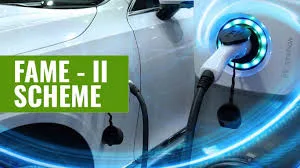

The electric vehicle revolution in India has taken a devastating turn. What was once a thriving ecosystem of ambitious startups has now become a graveyard of broken dreams and shuttered operations. The culprit? A government crackdown on FAME II subsidy violations that has sent shockwaves through the entire industry.
Table of Contents
The Shocking Numbers Behind the EV Startup Apocalypse
The statistics paint a grim picture that would make any entrepreneur’s heart skip a beat. Gurugram-based Okinawa Autotech saw its annual sales nosedive from 31,618 units in 2023 to 4,855 in 2024, representing a catastrophic 85% decline. But the bleeding didn’t stop there – in the first half of 2025, the company managed to sell just 1,422 vehicles, according to government data.
This isn’t just one company’s struggle; it’s a widespread industry crisis. Okinawa Autotech reported a steep 87% drop in revenue in FY24, with revenue from operations slipping to just Rs 182 crore compared to previous years.
What Exactly Is FAME II and Why Did It Become a Startup Killer?
FAME II (Faster Adoption and Manufacturing of Electric Vehicles) was designed to accelerate India’s transition to electric mobility. The scheme provided substantial subsidies to make EVs more affordable for consumers and boost domestic manufacturing.
However, the program came with strict localization requirements. A recent investigation conducted by the Ministry of Heavy Industries (MHI) found that companies like Okinawa—along with Hero Electric and others—were importing parts and not sourcing locally, as stipulated in the scheme.

The Domino Effect of Government Penalties
The crackdown began with subsidy suspensions that created a domino effect across the industry. Hero Electric and Okinawa were the first two OEMs whose incentives were suspended under the scheme, which also impacted sales of their two-wheeler EVs.
The Broader Market Impact: Beyond Individual Companies
The FAME II crisis extends far beyond individual company failures. EV sales peaked at 209,608 vehicles in March 2024, fueled by robust FAME scheme incentives that concluded on March 31. Since then, sales have remained below 145,000 units, indicating a market-wide contraction.
Industry Recovery Challenges
If the government discontinues incentives for the EV industry, sales are likely to decline in the short run, at least until production-linked incentives (PLIs) for the automobile sector reach their incentive disbursement stage, warns an industry insider.
The Human Cost: Beyond Numbers and Statistics
The crisis has had devastating human consequences. Okinawa Autotech allegedly has not paid salaries to its employees since February 2024, with former employees claiming they haven’t received payments for months.
Recovery Prospects: Can These Startups Bounce Back?
The total pending recoveries for failure to comply with FAME II norms for the remaining 63 manufacturers registered under the government’s FAME scheme are close to Rs 350-400 crore. This massive financial burden makes recovery extremely challenging for smaller players.
The Path Forward
The FAME III scheme is expected to address affordability concerns head-on, with whispers of increased budgetary allocation and potentially revised subsidy structures. However, many current players may not survive long enough to benefit from future programs.
The Long-Term Implications for India’s EV Future
The FAME II crackdown represents more than just a policy enforcement action – it’s a watershed moment that will reshape India’s electric vehicle landscape. While the immediate impact has been devastating for smaller players, it may ultimately lead to a more compliant and sustainable industry structure.
Reports suggest that Okinawa may be blacklisted from all central schemes for violating FAME-II guidelines, highlighting the severe long-term consequences companies face for non-compliance.
The industry now stands at a crossroads. Those who survive this crisis will likely emerge stronger and more compliant, while others will become cautionary tales in India’s electric vehicle revolution. The question isn’t whether the market will recover – it’s which companies will be left standing when it does.
Read more- Anand Mahindra’s 2017 Tesla Invite: “Welcome to India” Finally Happens

