


The electric vehicle industry is buzzing with excitement as Ola Electric prepares to revolutionize motor technology. The company is set to introduce motors free of rare earth magnets by the second quarter of FY2025-26, marking a significant shift in its electric vehicle (EV) strategy.
Table of Contents
Breaking Free from Import Dependencies
This groundbreaking announcement signals a major transformation in how electric vehicles are manufactured in India. The move aims to reduce dependency on imported materials, cut costs, and align with global sustainability trends. For a company that has been aggressively expanding its market presence, this technological leap could be the competitive edge Ola Electric needs.
Why Rare Earth-Free Motors Matter
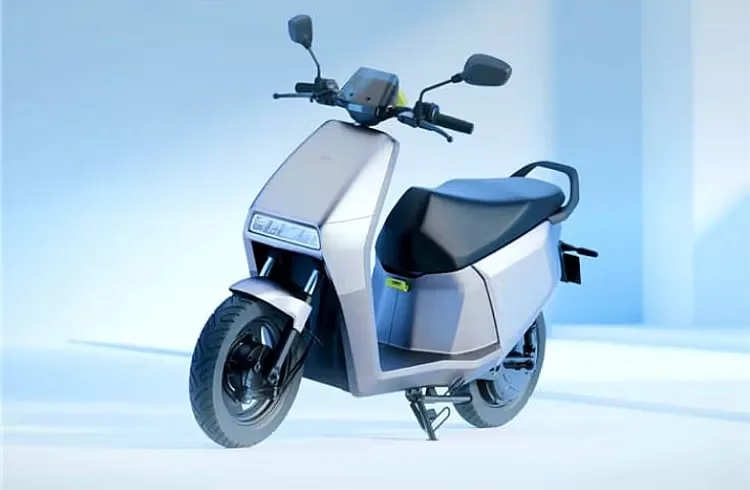
Traditional electric motors rely heavily on rare earth magnets, which are predominantly mined and processed in China. These materials are not only expensive but also create supply chain vulnerabilities for manufacturers worldwide. By eliminating this dependency, Ola Electric is positioning itself as a pioneer in sustainable EV technology.
The implications extend far beyond cost savings. Rare earth mining often involves environmentally damaging processes, making this transition a win for both the planet and the company’s bottom line. For consumers, this could translate into more affordable electric scooters without compromising on performance.
Perfect Timing for Market Leadership
The timing of this announcement couldn’t be better. With India’s electric vehicle market experiencing unprecedented growth, Ola Electric is strategically positioning itself to capture a larger share. The company has been steadily building its technological capabilities, and this rare earth-free motor technology represents the culmination of significant R&D investments.
The October-December quarter launch timeline aligns perfectly with the festive season demand in India, when vehicle sales typically surge. This strategic timing could help Ola Electric maximize the impact of their innovative technology while building stronger market positioning.
Technology Behind the Innovation
While specific technical details remain under wraps, the development of rare earth-free motors represents a significant engineering achievement. These motors likely utilize alternative magnetic materials or innovative designs that maintain efficiency while eliminating expensive rare earth elements.
The technology shift demonstrates Ola Electric’s commitment to in-house innovation. The company has been investing heavily in its Battery Innovation Center in Bangalore, which it calls Asia’s largest cell R&D facility. This rare earth-free motor development appears to be another milestone in their comprehensive approach to EV technology.
Market Impact and Consumer Benefits
For consumers, this technological advancement promises several compelling benefits. First, reduced manufacturing costs could lead to more competitive pricing for Ola Electric scooters. Second, improved supply chain stability means better product availability and potentially faster delivery times.
The environmental benefits cannot be overstated. By eliminating rare earth magnets, Ola Electric is reducing the environmental footprint of its vehicles while maintaining performance standards. This aligns with growing consumer consciousness about sustainable transportation options.
Competitive Advantage in a Crowded Market
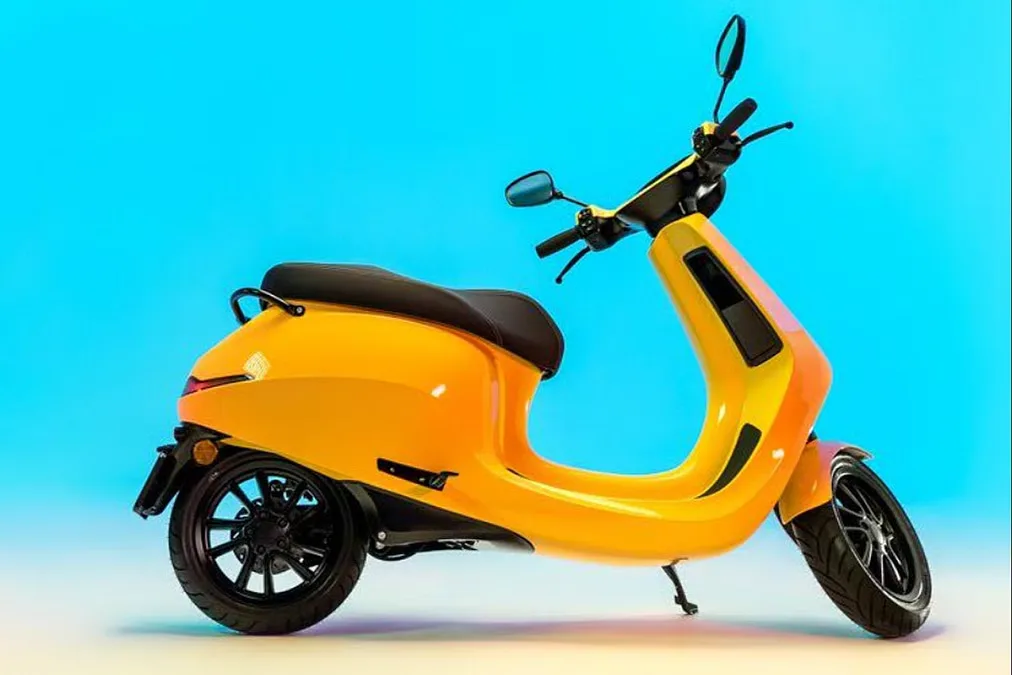
The Indian electric two-wheeler market has become increasingly competitive, with numerous players vying for market share. Ola Electric’s rare earth-free motor technology could provide a significant differentiation factor, especially as other manufacturers continue to rely on traditional motor designs.
This innovation also positions Ola Electric as a technology leader rather than just another EV manufacturer. The company’s ability to develop proprietary solutions demonstrates its commitment to long-term sustainability and market leadership.
Looking Ahead
As the October-December quarter approaches, industry watchers will be keenly observing how this technology performs in real-world conditions. The success of rare earth-free motors could influence the entire EV industry’s approach to motor design and manufacturing.
For Ola Electric, this represents more than just a product launch – it’s a statement about the company’s vision for the future of electric mobility. By reducing dependency on imported materials and creating more sustainable manufacturing processes, they’re setting new standards for the industry.
The rare earth-free motor launch could mark the beginning of a new era in electric vehicle technology, with Ola Electric leading the charge toward more sustainable and cost-effective solutions.

