


Kia India just revolutionized EV ownership! The Korean automaker has unveiled its comprehensive K-Charge EV ecosystem ahead of the highly anticipated Carens Clavis EV launch on July 15, 2025. With access to 11,000+ charging points, 250+ EV-ready workshops, and India’s first seven-seater electric MPV, Kia is setting new standards for electric vehicle infrastructure in India.
Table of Contents
Kia K-Charge Ecosystem Overview
| Component | Specification | Coverage | Significance |
|---|---|---|---|
| Charging Network | 11,000+ points | Pan-India coverage | Largest OEM network |
| Service Centers | 250+ EV workshops | 160+ cities | Comprehensive support |
| CPO Partners | 18 operators | Urban + highway routes | Unified charging access |
| Expansion Target | 20,000+ points | By mid-2026 | Aggressive growth plan |
Revolutionary K-Charge Platform Features
Integrated into the MyKia app, K-Charge eliminates the biggest pain points of EV ownership in India. The platform offers:
Real-time Charger Availability: No more driving to occupied charging stations—users can check live availability and reserve slots through the app.
EV Route Planner: Accessible via both the Kia website and MyKia app, this feature enables seamless trip planning for both daily commutes and long-distance travel.
Unified Payment System: One app, multiple charging operators—eliminating the hassle of multiple third-party apps and payment methods.
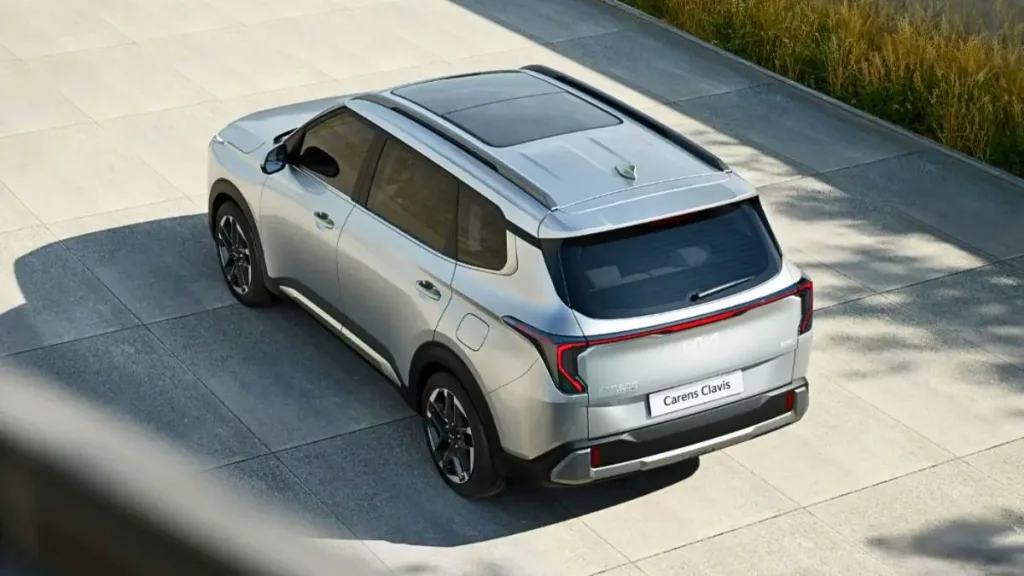
Carens Clavis EV: India’s First Mass-Market Electric MPV
The Carens Clavis EV, launching July 15 at 12:00 PM via webcast, represents a significant milestone as India’s first locally-produced seven-seater electric vehicle in the mass market.
Key Specifications:
- Battery Options: 42kWh and 51.4kWh battery packs (shared with Hyundai Creta Electric)
- Range: Up to 490km on a single charge—17km more than Creta Electric
- Power Output: Expected 171PS and 255Nm torque in top variants
- Expected Pricing: Starting around ₹16 lakh (ex-showroom)
Strategic Market Positioning
The Carens Clavis EV enters an underserved market segment with no direct mass-market competitors in the electric MPV category. This positioning could help Kia capture significant market share among families seeking affordable electric seven-seaters.
The pricing strategy makes it accessible to a broader audience compared to premium offerings like the Kia EV6 and EV9, while offering superior space and functionality versus existing electric SUVs.
Infrastructure Excellence: Beyond Charging
The South Korean giant’s ecosystem approach extends beyond charging infrastructure:
Home Charging Solutions: Complete installation and maintenance support for residential charging setups.
Roadside Assistance: Specialized EV breakdown services ensuring customer confidence for long-distance EV travel.
Connected Services: Digital integration through MyKia app for remote monitoring, service scheduling, and vehicle diagnostics.

Dealer Network Preparation
Over 100 Kia dealerships are equipped with DC fast chargers, ensuring customers can charge while servicing their vehicles. Additionally, 250+ EV-ready workshops with trained technicians and specialized tools demonstrate Kia’s commitment to EV service infrastructure.
Technology Integration and Features
The Carens Clavis EV retains most features from its ICE counterpart while adding EV-specific enhancements:
Dual 12.3-inch displays for infotainment and instrumentation, Level 2 ADAS, V2L (Vehicle-to-Load) capability, and dual-zone climate control with rear AC vents for enhanced passenger comfort.
The redesigned center console eliminates the gear lever, creating additional storage space while maintaining button controls for essential functions.
Competitive Landscape Impact
With the Carens Clavis EV, the automotive giant targets competitors like the upcoming Mahindra BE 6, Tata Harrier EV, and MG Windsor EV. However, its unique seven-seater configuration provides a distinct advantage in the Indian family car market.
Manufacturing and Localization
As Kia’s first Made-in-India EV, the Carens Clavis supports the government’s Make in India initiative while potentially offering competitive pricing through local production cost advantages.
This localization strategy aligns with India’s push for domestic EV manufacturing and reduces dependency on imports.
Future Expansion Plans
Kia’s roadmap includes the all-electric Syros subcompact SUV launching next year, which will compete with the Tata Punch EV. This aggressive expansion demonstrates Kia’s long-term commitment to the Indian EV market.
The charging network expansion to 20,000+ points by mid-2026 positions Kia among the most infrastructure-ready OEMs in India.
Industry Significance
Kia’s holistic approach—combining vehicle launch with comprehensive infrastructure—addresses the primary EV adoption barriers that have historically slowed electric vehicle uptake in India.
This ecosystem strategy could influence other automakers to adopt similar comprehensive approaches rather than focusing solely on vehicle development.
Consumer Impact
For potential EV buyers, Kia’s K-Charge ecosystem significantly reduces range anxiety and ownership concerns. The unified platform simplifies the EV ownership experience, potentially accelerating mainstream adoption.
The 490km range positions the Carens Clavis EV favorably for both urban and intercity use, addressing Indian consumers’ diverse mobility needs.
Bottom Line
Kia’s K-Charge ecosystem launch represents more than infrastructure development—it’s a comprehensive strategy to make EV ownership seamless and practical. Combined with the Carens Clavis EV’s unique positioning as India’s first mass-market electric MPV, Kia is positioning itself as a serious contender in India’s rapidly evolving electric mobility landscape.
Mark July 15, 12:00 PM for the official Carens Clavis EV launch. With comprehensive infrastructure backing and competitive pricing, this could be the family EV India has been waiting for. For complete coverage of Kia’s EV strategy and launch updates, stay tuned to our comprehensive Indian EV coverage.

