

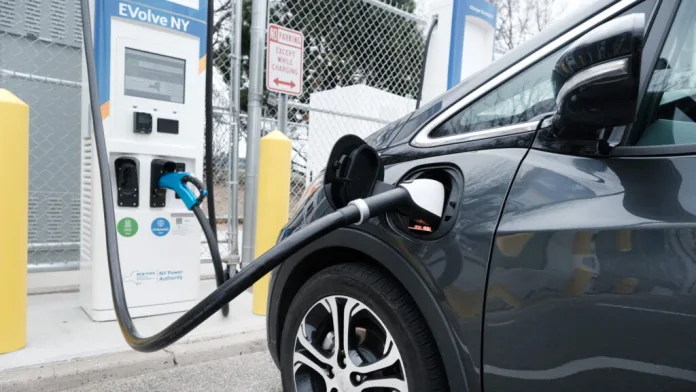

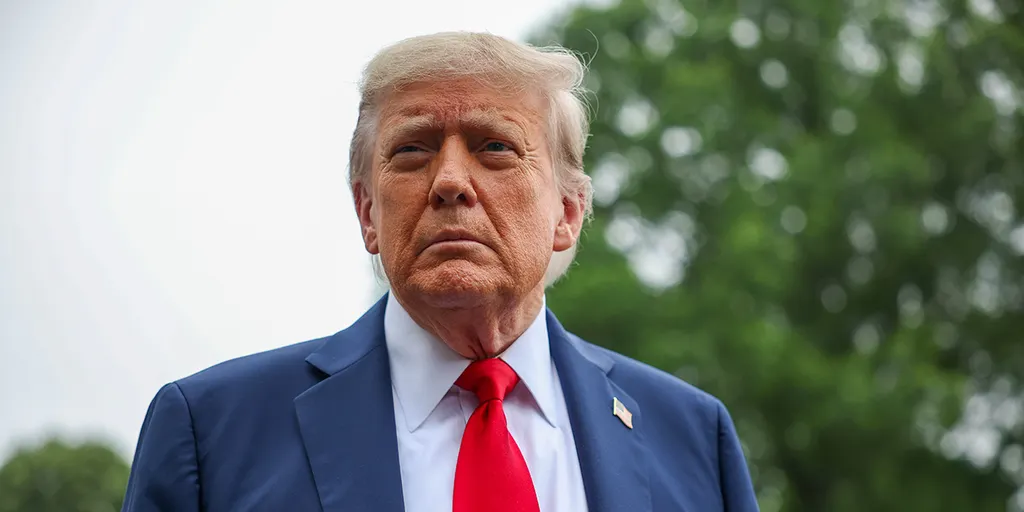
In a landmark ruling that could reshape America’s electric vehicle landscape, U.S. District Judge Tana Lin ordered the Trump administration to release billions of dollars in funding for the build out of electric vehicle chargers in more than a dozen states. The decision marks a significant legal victory for states challenging the administration’s controversial freeze on congressionally approved infrastructure funds.
Table of Contents
The $5 Billion Battle: What’s at Stake
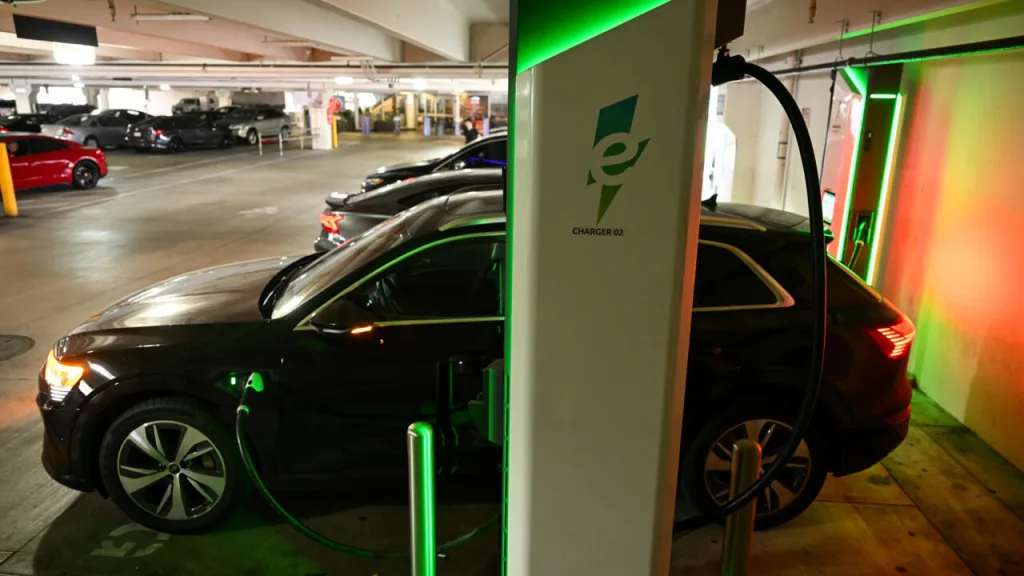
The dispute centers around a massive federal program designed to accelerate America’s transition to electric vehicles. The $5 billion EV charging program was part of former President Joe Biden’s Inflation Reduction Act, with the program set to allocate funds over five years to various states, of which an estimated $3.3 billion had already been made available.
This isn’t just about numbers on a balance sheet—it’s about real infrastructure that millions of Americans depend on for their daily transportation needs. From busy highway corridors to underserved rural communities, these charging stations represent the backbone of America’s electric vehicle future.
Constitutional Clash: Executive vs. Legislative Power
Judge Lin said the Trump administration overstepped its constitutional authority when it froze the funding previously approved by Congress in 2021 as part of the Bipartisan Infrastructure Law. Her ruling delivered a sharp rebuke to executive overreach, stating: “When the Executive Branch treads upon the will of the Legislative Branch, and when an administrative agency acts contrary to law, it is the Court’s responsibility to remediate the situation and restore the balance of power.”
This constitutional principle extends far beyond electric vehicles. The ruling reinforces the fundamental checks and balances that prevent any single branch of government from unilaterally reversing congressionally mandated programs.
Real-World Impact: Projects Frozen Mid-Stream
The human cost of this political battle became clear as construction projects ground to a halt across the nation. States suing the Trump administration said the decision to freeze funding halted projects midstream, requiring immediate court intervention.
Consider the ripple effects:
- Construction workers sent home from active job sites
- State transportation departments forced to pause critical infrastructure upgrades
- Electric vehicle owners left stranded without promised charging networks
- Local businesses losing anticipated foot traffic from charging station customers
California’s $120 Million Standoff
New York provides a stark example of the freeze’s impact. New York has been awarded over $175 million in federal funds from the program, and state officials say $120 million is currently being withheld by the Trump administration. That’s enough funding to install thousands of charging ports across the Empire State.
The Legal Framework: Why States Won
The lawsuit’s success hinged on a fundamental legal principle: federal agencies cannot arbitrarily halt congressionally approved programs. Sixteen states and the District of Columbia united in challenging what they viewed as executive overreach.
California Attorney General Rob Bonta said after the ruling that the Trump administration could not “dismiss programs illegally,” adding: “We are pleased with today’s order blocking the Administration’s unconstitutional attempt to do so, and California looks forward to continuing to vigorously defend itself from this executive branch overreach.”
Implementation Challenges: The Road Ahead
Even with legal victory secured, significant hurdles remain. Getting the chargers installed and operating has been a slow process with contracting challenges, permitting delays and complex electrical upgrades.
The complexity of electric vehicle infrastructure extends far beyond simply installing charging units. Each installation requires:
- Extensive electrical grid upgrades
- Complex permitting processes across multiple jurisdictions
- Coordination with utility companies
- Environmental impact assessments
- Community stakeholder engagement
What This Means for Electric Vehicle Adoption
The ruling’s implications extend far beyond legal precedent. Access to reliable charging infrastructure remains the primary barrier preventing mainstream electric vehicle adoption. Studies consistently show that “range anxiety”—fear of running out of power—tops the list of consumer concerns about electric vehicles.
By securing continued federal investment in charging infrastructure, this ruling helps address the chicken-and-egg problem that has long plagued the electric vehicle market: consumers won’t buy electric vehicles without charging stations, but businesses won’t invest in charging stations without electric vehicle customers.
The order will go into effect July 2 unless the Trump administration appeals. This timeline creates uncertainty for state transportation departments and contractors who need predictable funding streams to plan major infrastructure projects.
Broader Climate and Energy Implications
This legal battle reflects deeper tensions over America’s energy future. The Trump administration’s move to freeze EV charging funds was part of a broader push by the Republican president to roll back environmental policies advanced by his Democratic predecessor.
The stakes extend beyond partisan politics. Electric vehicle infrastructure represents:
- Thousands of construction and maintenance jobs
- Reduced dependence on foreign oil
- Improved air quality in urban areas
- Economic opportunities for rural communities hosting charging stations
- America’s competitiveness in the global clean energy race
Conclusion: A Win for Constitutional Governance
Judge Lin’s ruling represents more than a victory for electric vehicle advocates—it’s a affirmation of constitutional principles and the rule of law. By preventing executive branch overreach and ensuring congressionally approved programs proceed as intended, the decision strengthens American democratic institutions.
As the July 2 implementation date approaches, millions of Americans stand to benefit from restored EV charging infrastructure investment. Whether the Trump administration appeals or allows the ruling to stand, this case will likely influence how future administrations approach congressional mandates and federal program implementation.
The road to America’s electric vehicle future may still have obstacles ahead, but this ruling ensures that the journey continues with the fuel of federal investment and the power of constitutional governance.
Read more- Xiaomi SU7 Ultra Track Package & Limited Edition Launched after smashing Nürburgring Records

