

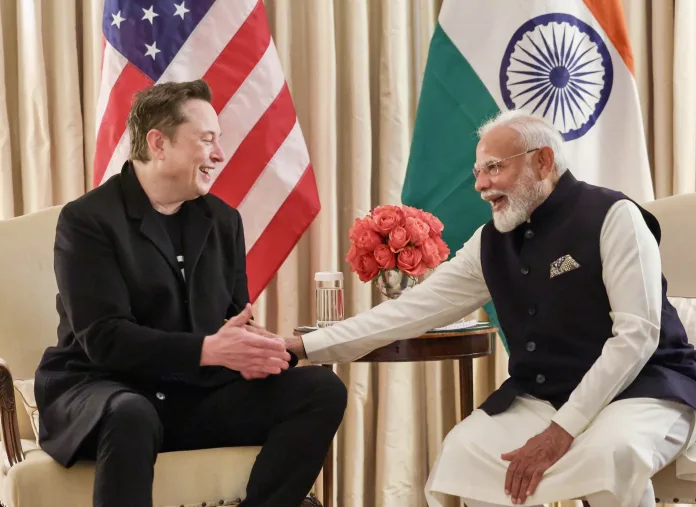

After years of will-they-won’t-they speculation, Tesla is officially opening its first Indian showrooms in July 2025. The big reveal? Elon Musk’s EV empire is finally betting on India as the “world’s third-biggest automobile market” with China-manufactured vehicles starting at approximately ₹47 lakhs (converted from the reported $56,000 base price).
Table of Contents
The Numbers Game: What You’ll Actually Pay
Industry analysts predict Tesla’s cheapest offering will cost around ₹35-40 lakhs even with reduced import duties, but reports suggest the actual retail price could be significantly higher due to various factors.
| Tesla Model | US Price | Expected India Price |
|---|---|---|
| Model 3 (Base) | $30,000 | ₹60-70 lakhs |
| Model Y (Base) | $40,000+ | ₹75+ lakhs |
| Premium Models | $50,000+ | ₹85+ lakhs |
The China Connection: Why It Matters
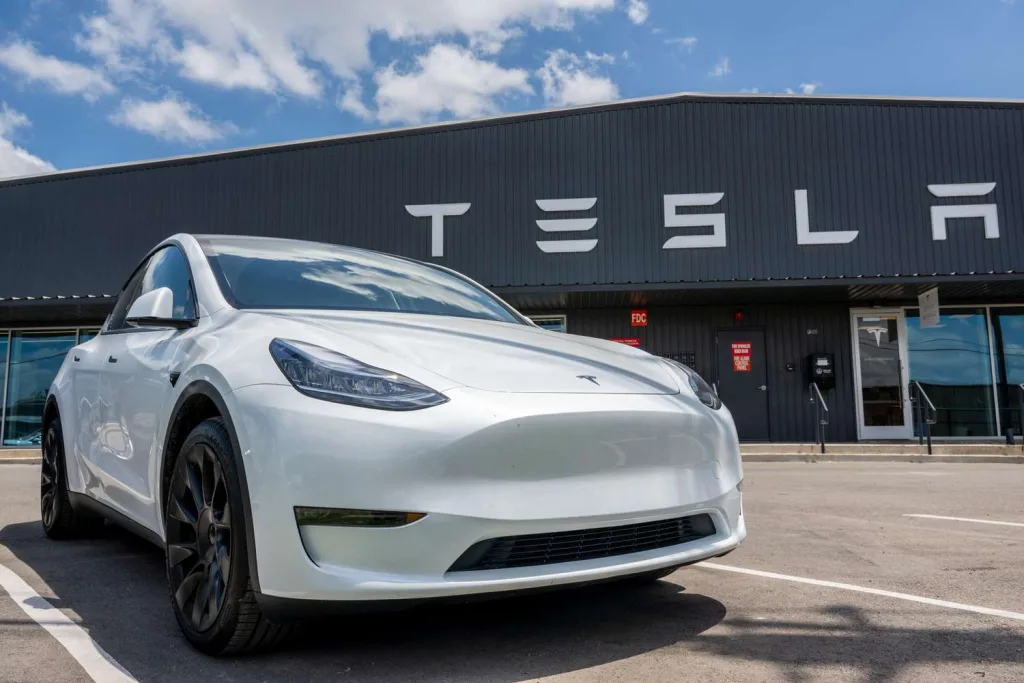
Tesla has already signed a five-year lease for its first showroom, paying about $446,000 annually for 4,003 square feet—almost the size of a basketball court. But here’s the twist: Tesla’s China operations are struggling with falling sales for seven consecutive months, making India a crucial growth market.
This isn’t just about selling cars—it’s about survival. Musk hopes geopolitical tensions will give Tesla an advantage over cheaper Chinese EVs in the Indian market.
The Reality Check: Premium Pricing in a Price-Sensitive Market
At ₹47+ lakhs, Tesla enters India’s luxury EV segment, competing with established players like Mercedes EQS and BMW iX. The challenge? Most Indian car buyers consider anything above ₹20 lakhs as premium.
What Tesla Offers:
- Supercharger network access
- Over-the-air updates
- Autopilot technology
- Brand prestige value
What They’re Fighting:
- Import duty burden
- Limited charging infrastructure
- Price-conscious market
- Strong local competition
Timing is Everything: India’s EV Momentum
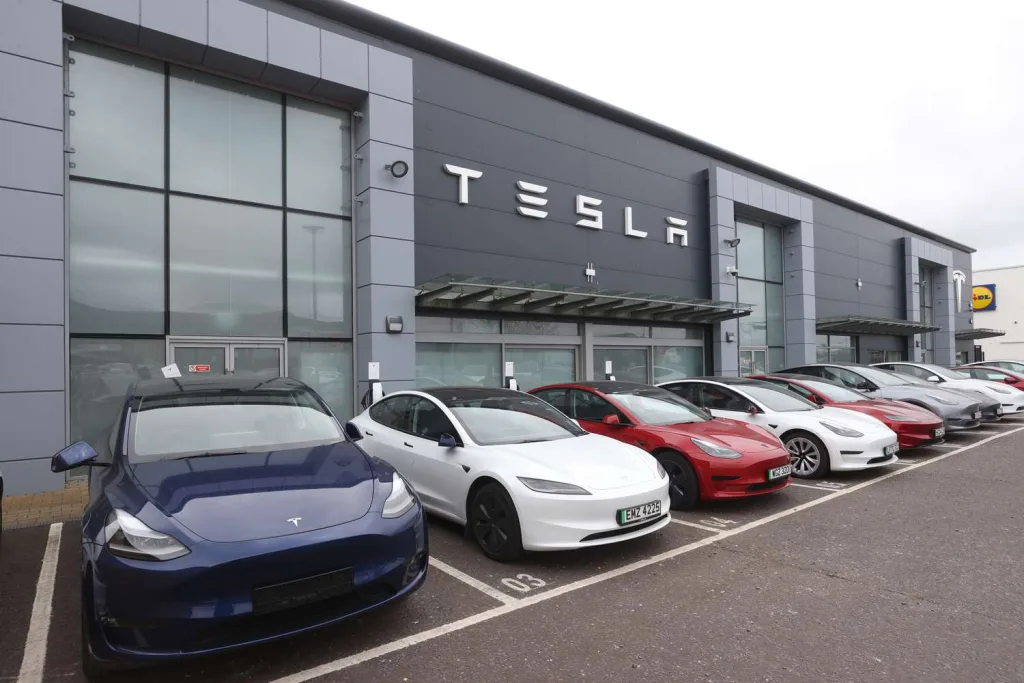
Tesla has begun hiring for Indian operations with job listings for service advisors, technicians, and managers. This suggests serious commitment beyond just selling imported cars.
The July launch coincides with India’s growing EV acceptance and government incentives, but Tesla’s premium positioning means they’re betting on affluent early adopters rather than mass market penetration.
The Bottom Line: Luxury Play, Not Volume Game
Tesla’s India strategy is clear: premium positioning over volume sales. At ₹47+ lakhs, they’re not trying to democratize EVs—they’re establishing Tesla as the iPhone of electric cars.
With falling sales in Europe and China, India represents Tesla’s next growth frontier. But success depends on whether Indian buyers will pay luxury prices for China-made vehicles, especially when domestic options cost half as much.
The July showroom opening marks Tesla’s official India debut, but the real test comes when customers see those price tags. Will brand loyalty overcome sticker shock?
Tesla’s India gamble: betting that aspiration trumps affordability in the world’s most price-sensitive car market.
Official Resources:

