

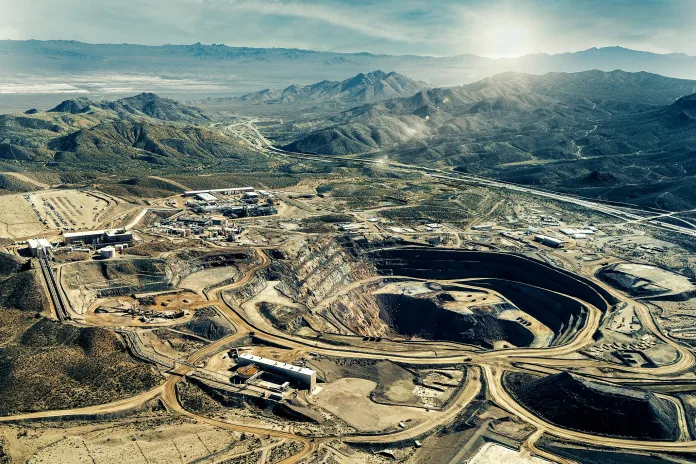

India is making waves in the global supply chain by halting rare earth exports to Japan, signaling a strategic shift to secure its electric vehicle (EV) future. This game-changing decision positions India as a key player in reducing global dependence on China’s rare earth monopoly.
Table of Contents
The Critical Minerals Crisis: Why Now?
China’s new regulatory policy requiring exporters to obtain licenses for rare earth magnets has cast uncertainty over global supply chains. For India’s booming EV sector, this represents both a challenge and an unprecedented opportunity.
India’s Current Position:
- 2024 production: 2,900 metric tons (less than 1% of global supply)
- Holds nearly 35% of world’s rare earth reserves
- IREL exported over 1,000 tonnes to Japan in 2024
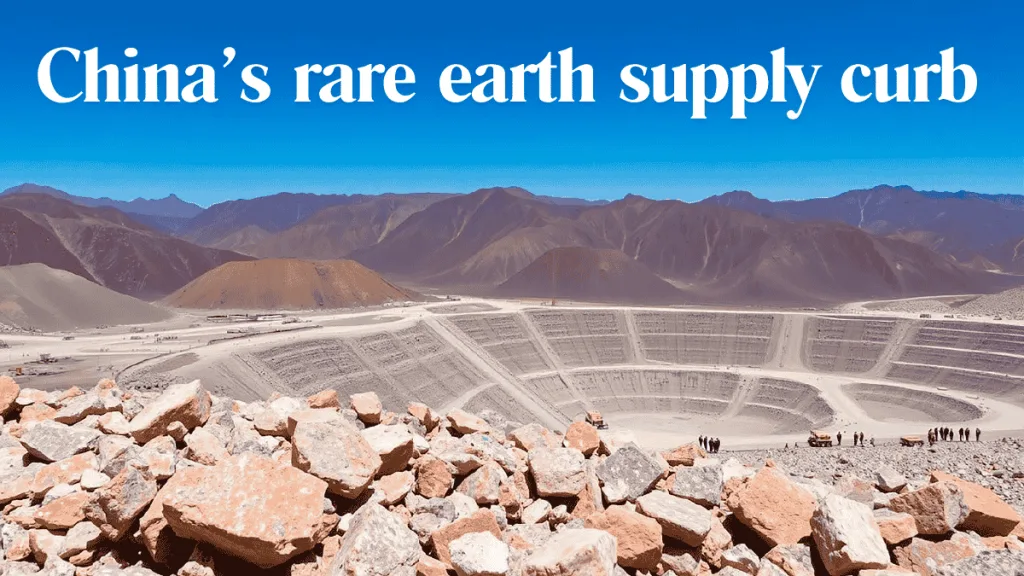
Strategic Transformation Underway
| Key Initiative | Impact | Timeline |
|---|---|---|
| Export halt to Japan | Conserve domestic supply | Immediate |
| Domestic refining expansion | Reduce China dependence | 2025-2026 |
| EV magnet production incentives | Boost local manufacturing | Ongoing |
The government’s directive to Indian Rare Earths Limited (IREL) to stop exports reflects a broader strategy to build domestic processing capabilities rather than shipping raw materials abroad.
What This Means for India’s EV Future
The U.S.-India partnership positions New Delhi as a key supply chain partner in critical mineral security. This collaboration could accelerate India’s transition from a raw material exporter to a value-added processor.
Economic Benefits:
- Job creation in mining and refining sectors
- Enhanced energy security for EV manufacturers
- Reduced import dependence on China
- Strengthened position in global supply chains
The Road Ahead
India is offering fiscal incentives for domestic rare earth magnet production, creating long-term stockpiles essential for EV motors, wind turbines, and electronic devices.
This strategic pivot from export-dependent to self-reliant rare earth processing could reshape India’s role in the global clean energy transition. With massive untapped reserves and growing domestic demand, India is positioning itself as the alternative the world desperately needs.
For more insights on India’s economic policies, visit IndiaEVNews.com for comprehensive coverage of emerging market trends.
External Sources: Reuters | CNBC | Investing News

