

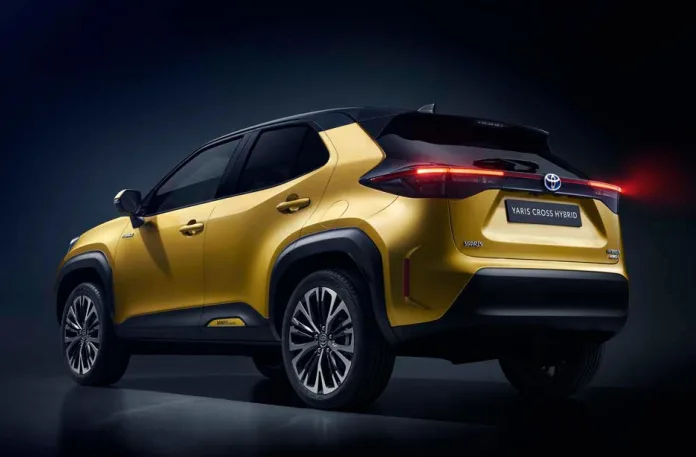

When Toyota’s Chairman drops a bombshell claiming that “one electric vehicle pollutes like three hybrids,” you know the automotive world is about to explode with debate. But before you throw your EV shopping plans out the window, let’s dig into what science actually tells us about this heated controversy.
Table of Contents
The Claim That Shook the Auto Industry
In a recent April interview, Toyota Chairman Akio Toyoda made waves by stating that “9 million BEVs emit the same carbon as 27 million hybrids.” His argument centers on Toyota’s multi-pathway strategy, suggesting that manufacturing millions of EVs in fossil fuel-dependent regions like Japan would actually increase overall emissions.
But here’s where it gets interesting – researchers aren’t buying it.
What the Science Actually Says
Chinese Research Findings
| Study Source | Key Finding | Emission Reduction |
|---|---|---|
| Tsinghua University (2022) | EVs vs ICE vehicles in China | 20-30% less CO₂ over lifetime |
| China Automotive Technology & Research Center | Compact EV vs gasoline equivalent | 118g vs 163g CO₂/km |
| Chinese Grid Progress | Non-fossil energy sources | 40% in 2024, 50%+ by 2030 |
Global Research Consensus
The evidence from international studies is even more compelling:
Nature Study (2022): Electric vehicles emerged as the lowest-emission choice in over 95% of global regions – that’s pretty much everywhere except the most coal-dependent areas.
The Break-Even Point: Yes, EVs start with higher production emissions (11-14 tons of CO₂ vs 6-9 tons for hybrids), but here’s the kicker – they break even after just 31,000 to 45,000 kilometers of driving. After that? It’s smooth sailing with significantly lower lifetime emissions.
The Hybrid Reality Check
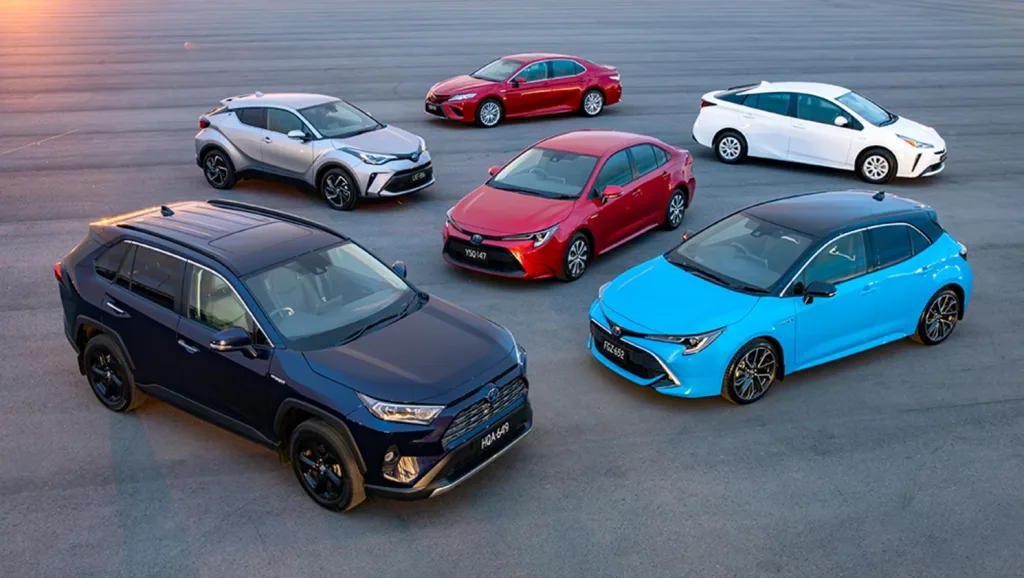
While hybrids deserve credit as a bridge technology, they’re not the silver bullet Toyota suggests:
- Traditional Hybrids: Limited by small batteries and minimal electric-only range
- Plug-in Hybrids (PHEVs): Offer 30-80km electric range but face a real-world problem – many drivers simply don’t charge them regularly
- European Data Reality: PHEV real-world emissions often exceed laboratory ratings due to charging negligence
The EV Industry’s Secret Weapon: Cleaner Manufacturing
Here’s something Toyota’s argument misses – the EV industry isn’t standing still:
Battery Technology Evolution
- CATL and BYD are scaling cobalt-free and nickel-free chemistries
- LFP and LMFP batteries are reducing production emissions
- Carbon intensity of battery production dropped 15% between 2020-2024
Toyota’s EV Contradiction
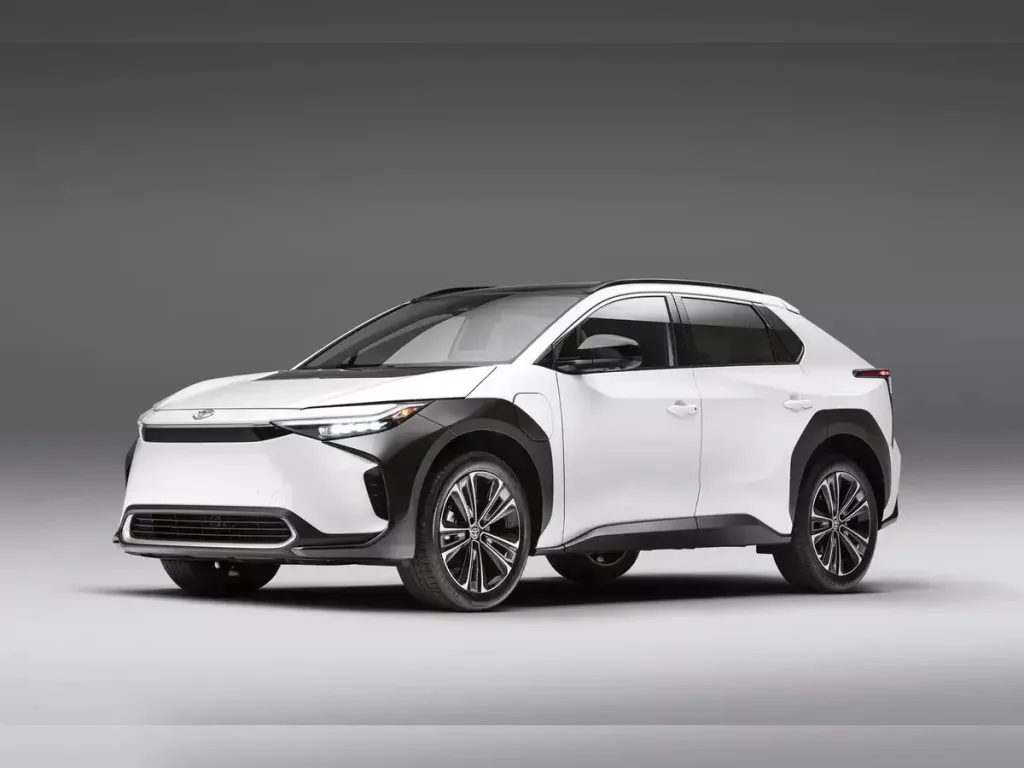
Despite Toyoda’s public skepticism, Toyota is quietly going all-in on EVs in China:
Toyota’s “China R&D 2.0” Strategy
- Partnerships with tech giants like Huawei, Xiaomi, and Momenta
- Joint ventures with GAC Toyota and FAW Toyota building dedicated EV platforms
- Collaboration with BYD for key components
- New models: bZ5, bZ3X, and upcoming bZ7
Talk about actions speaking louder than words!

The Verdict: What This Means for You
| Factor | Hybrids | Electric Vehicles |
|---|---|---|
| Initial Emissions | Lower manufacturing footprint | Higher due to battery production |
| Break-even Point | N/A | 31,000-45,000 km |
| Long-term Impact | Moderate improvement over ICE | Significant emissions reduction |
| Grid Dependency | Less sensitive to power mix | Benefits from cleaner grids |
| Future Outlook | Bridge technology | Path to net-zero transport |
The Bottom Line
While Toyoda’s concerns about regional differences in power grids have merit, the overwhelming scientific consensus points in one direction: electric vehicles offer the most significant long-term emissions reductions.
As power grids worldwide continue their march toward renewable energy and battery technology becomes cleaner, EVs will only strengthen their environmental advantage. Hybrids remain valuable as stepping stones, especially in regions with limited charging infrastructure, but they’re not the endgame.
The real story? We’re witnessing the automotive industry’s biggest transformation since the invention of the assembly line. And despite the noise from various corners, the destination remains clear: an electric future that’s cleaner, quieter, and more sustainable.
Ready to make the switch? The science is on your side – and apparently, so is Toyota’s product development team, even if their chairman isn’t quite ready to admit it yet.
Want to stay updated on the latest EV developments and industry debates? The automotive world moves fast, and we’re here to help you navigate the facts from the fiction.

