

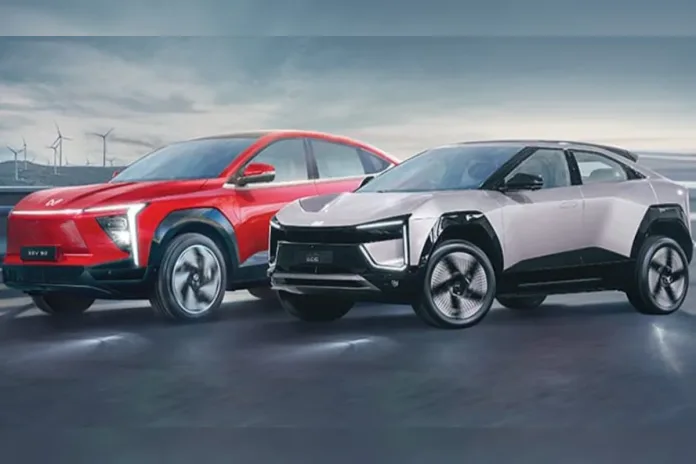

The automotive landscape is shifting, and Mahindra is making a bold statement. The Indian automaker, once committed to an all-electric future, is now embracing hybrid technology for both its traditional ICE models and cutting-edge EV platforms. This strategic pivot could reshape how we think about sustainable mobility in India.
Table of Contents
The Hybrid Revolution at Mahindra
Mahindra’s hybrid strategy isn’t just about following trends—it’s about practical innovation. With EV adoption slower than anticipated and charging infrastructure still developing, the company is smartly hedging its bets. Their current EV sales of 2,604 units in May 2025 show promise, but they’re targeting 5,000 monthly units with hybrid support.
What Makes This Strategy Unique?
Unlike other manufacturers focusing solely on ICE hybrids, Mahindra is exploring hybridization across its entire portfolio. This dual approach addresses different market segments and consumer needs simultaneously.
Technical Deep Dive: Two Hybrid Approaches
| Platform Type | Hybrid System | Engine Details | How It Works |
|---|---|---|---|
| ICE Models | Series-Parallel Hybrid | 1.2L Turbo Petrol | Engine and motor work together or independently |
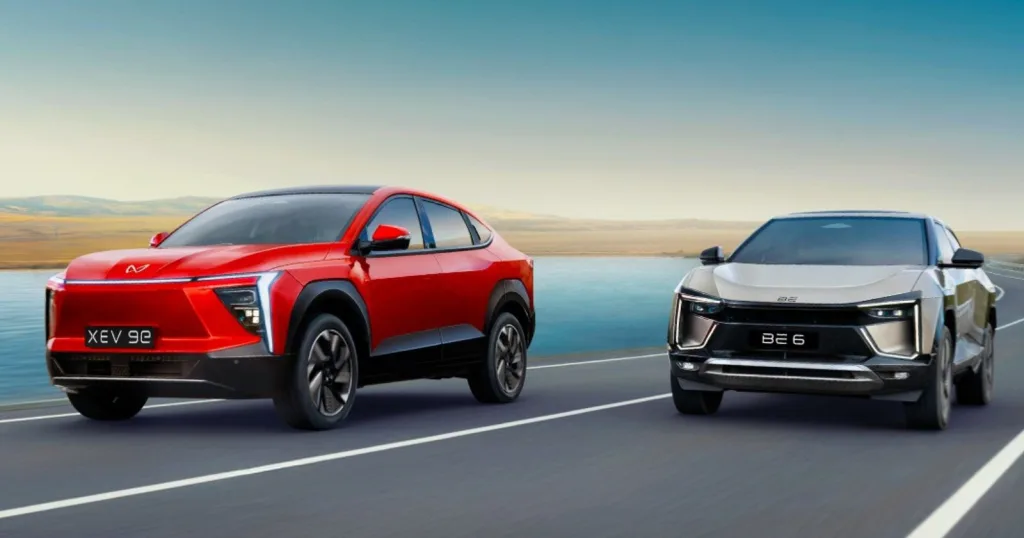
| EV Models (BE 6/XEV 9e) | Range-Extender Hybrid | 1.2L Petrol Generator | Engine only charges battery; motors drive wheels |
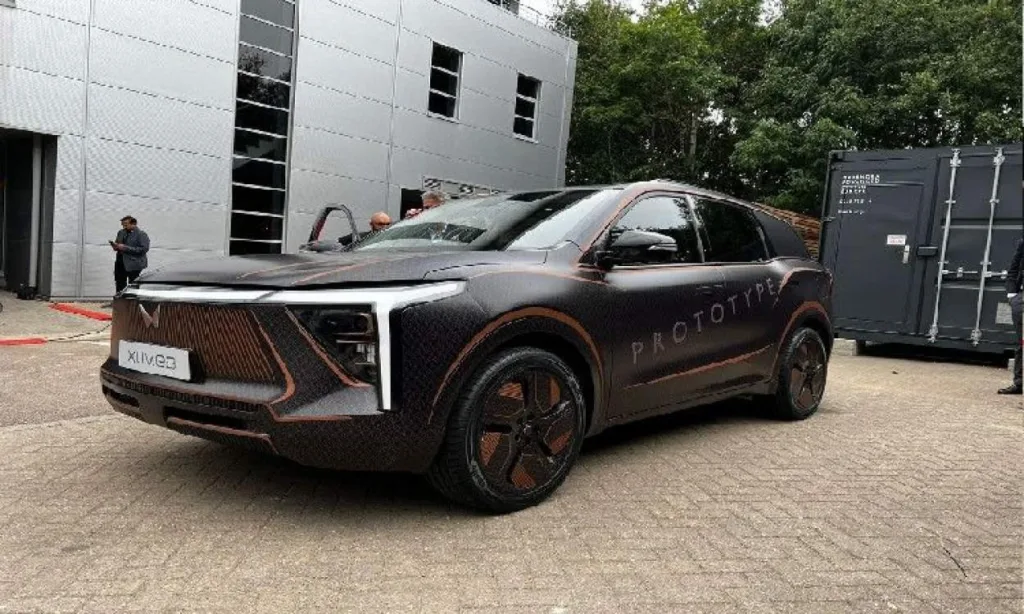
| XUV 3XO | Strong Hybrid System | 1.2L 3-Cylinder Turbo | Automatic switching between power sources |
Range-Extender: The Game Changer
For the BE 6 and XEV 9e, Mahindra is implementing a range-extender setup where a 1.2-liter petrol engine serves purely as a generator. This eliminates range anxiety while maintaining the electric driving experience—a brilliant compromise for Indian conditions.
Market Reality Check
The numbers tell a compelling story about India’s automotive transition:
Current Market Share (2024-2025)
- Hybrids: 2.1% (85,000 units sold)
- EVs: 2.4% (90,000+ units sold)
- Hybrid leaders: Maruti Grand Vitara and Toyota Urban Cruiser Hyryder dominate with 99% market share
Despite crossing the 4% EV penetration milestone, India’s ambitious 30% electrification target by 2030 seems challenging. Even globally, the EU is reconsidering its 2035 zero-emissions deadline, making hybrids increasingly relevant.
Why This Matters for Indian Consumers
Practical Benefits
- Range anxiety elimination with the range-extender system
- Fuel efficiency through intelligent power management
- Lower emissions compared to pure ICE vehicles
- Charging flexibility – less dependence on infrastructure
Government Support
Recent policy changes are boosting hybrid adoption, with road tax exemptions on par with EVs in several states. This regulatory support makes hybrids more financially attractive to consumers.
The Competitive Landscape
Mahindra isn’t alone in this hybrid push. The market is heating up with:
- Hyundai bringing the Palisade hybrid SUV by 2028
- Maruti developing affordable range-extender technology
- Skoda-VW and JSW-MG planning hybrid introductions
- Renault promising hybrid variants within 12 months of petrol launches
What This Means for Mahindra’s Future
This hybrid strategy represents more than technological advancement—it’s a pragmatic response to market realities. By offering both series-hybrid ICE models and range-extender EVs, Mahindra is creating a comprehensive ecosystem that addresses diverse consumer needs.
The company’s willingness to pivot from its “EVs-only” stance demonstrates market responsiveness and strategic flexibility. This approach could accelerate their path to the 5,000 monthly unit target while building consumer confidence in electrified mobility.
The Road Ahead
As India navigates its transition to sustainable mobility, Mahindra’s hybrid strategy could prove prescient. By reducing range anxiety and infrastructure dependence while maintaining environmental benefits, these hybrid systems offer a practical bridge to full electrification.
The success of this strategy will depend on execution, pricing, and consumer acceptance. But with government support growing and competitors following suit, Mahindra’s hybrid gambit positions them well for India’s evolving automotive landscape.
The automotive future isn’t just electric—it’s intelligently electrified. Mahindra’s hybrid approach for the BE 6 and XEV 9e could be exactly what Indian consumers need right now.

