


The electric scooter revolution is about to get more accessible. Hero MotoCorp is gearing up to launch the Vida VX2 on July 1, 2025, and early teasers suggest this isn’t just another electric scooter—it’s a strategic move to bring electric mobility to Indian families who’ve been waiting for the right combination of practicality, affordability, and reliability.
Table of Contents
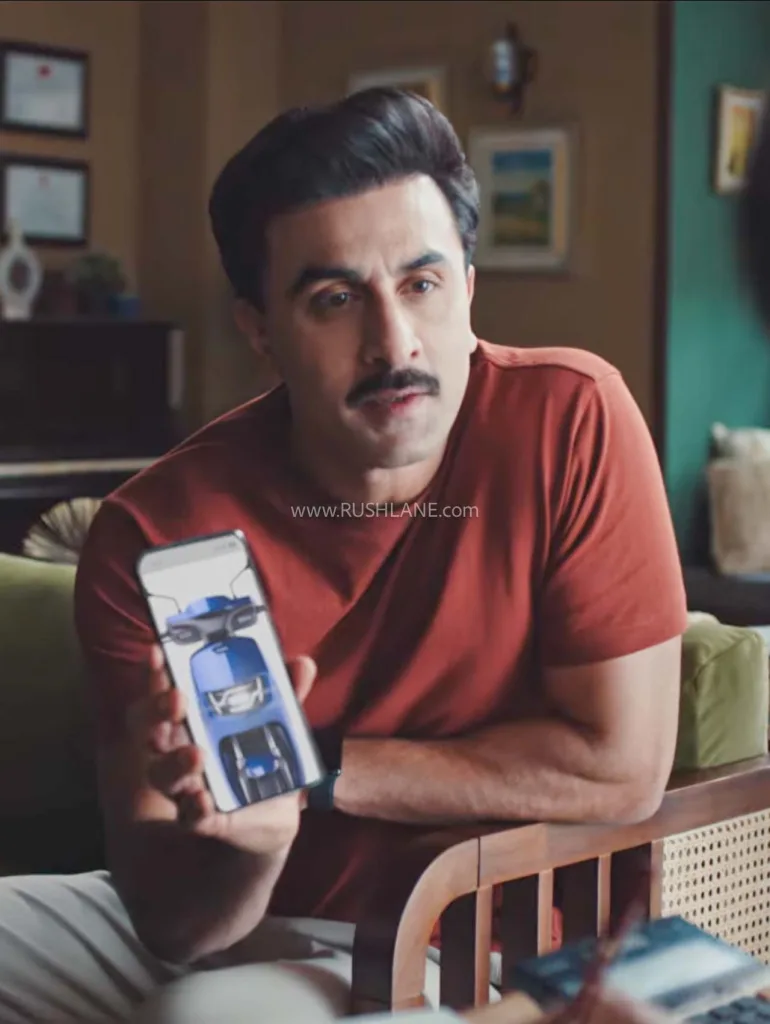
Official Teaser Reveals: What Hero is Promising
Hero’s official teaser campaign has been strategically building anticipation for the VX2, positioning it as the “family-oriented” sibling to the tech-forward V2 lineup. The teasers emphasize the VX2’s accessibility and practicality—a clear signal that Hero is targeting the mainstream Indian family market rather than just early adopters.
Key Teaser Highlights
- “Family-centric product” messaging dominates the campaign
- Multiple variants and battery options promised for different needs
- More affordable positioning compared to existing V2 lineup
- July 1 launch date building urgency and anticipation
Behind the Teaser: Spy Shots Reveal the Real Story
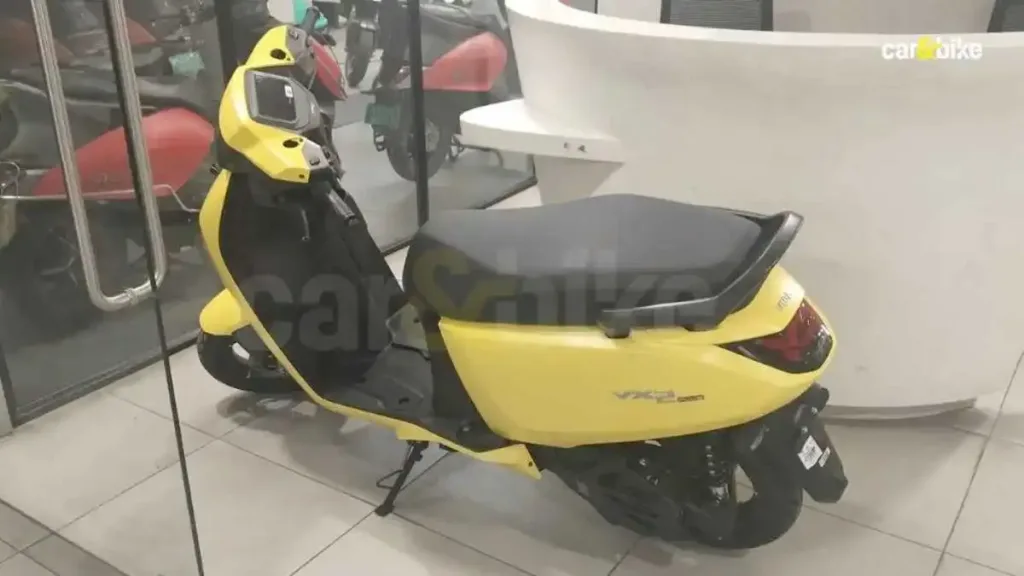
Beyond the official teasers, real-world spy shots have provided concrete insights into what the VX2 actually offers. A fully undisguised VX2 was recently spotted at a Hero dealership, giving us the clearest picture yet of Hero’s family-focused strategy.
What the Spy Shots Revealed
- Completely different design philosophy from the angular V2
- Smaller, simpler TFT display prioritizing functionality over flashiness
- Physical key slot replacing smart key technology
- Single-piece flat seat design for improved family comfort
- Simplified switchgear making operation intuitive for all users
The contrast with the V2 is striking—where the V2 showcases cutting-edge tech, the VX2 embraces practical simplicity that Indian families actually want.
Teaser Strategy: Building Family Appeal
Hero’s teaser campaign is masterfully crafted to address the concerns that have kept Indian families away from electric scooters. Instead of showcasing speed or tech features, the teasers focus on:
Messaging Focus
- “Family-oriented” positioning front and center
- Affordability hints without revealing exact pricing
- Simplicity emphasis over complexity
- Reliability assurance through shared V2 components
The teaser strategy suggests Hero has learned from the V2’s market reception—while successful among early adopters, there’s a much larger family market waiting for the right product at the right price.
Feature Comparison: VX2 vs V2 Lineup
| Feature | Vida V2 | Vida VX2 |
|---|---|---|
| Display | Large TFT touchscreen | Smaller, simpler TFT display |
| Key System | Smart key technology | Traditional physical key slot |
| Seat Design | Sporty contoured seat | Single-piece flat seat |
| Switchgear | Advanced digital controls | Simplified, conventional switches |
| Target Audience | Tech-savvy early adopters | Practical family users |
| Design Language | Angular and edgy | Safe and conventional |
The Smart Sharing Strategy
Hero’s approach with the VX2 is economically brilliant. By sharing major components—battery, motor, chassis, and electronics—with the V2, they’re achieving:
- Lower development costs
- Better economies of scale
- Proven reliability from tested components
- Simplified manufacturing and service networks
Pricing Strategy: Making Electric Accessible
The current Vida V2 lineup spans an impressive price range:
Vida V2 Current Pricing
- V2 Lite (2.2kWh): ₹74,000 (ex-showroom, Delhi)
- V2 Pro: ₹1.20 lakh (ex-showroom, Delhi)
The VX2 is expected to be positioned even more aggressively, potentially undercutting the V2 Lite to capture price-sensitive family buyers. This could place the entry-level VX2 in the ₹65,000-70,000 range—a sweet spot for Indian families considering their first electric scooter.
Why the VX2 Matters for Indian Families
Addressing Real Concerns
Indian families have specific needs that the VX2 seems designed to address:
Simplicity Over Complexity
- Physical key slot eliminates smartphone dependency
- Simpler controls reduce learning curve for all family members
- Conventional design language feels familiar
Practicality Focus
- Flatter seat design improves comfort for varied body types
- Family-oriented styling appeals to multiple generations
- Expected lower pricing makes electric mobility accessible
Reliability Assurance
- Shared components with proven V2 lineup
- Hero’s extensive service network backing
- Established battery and motor technology
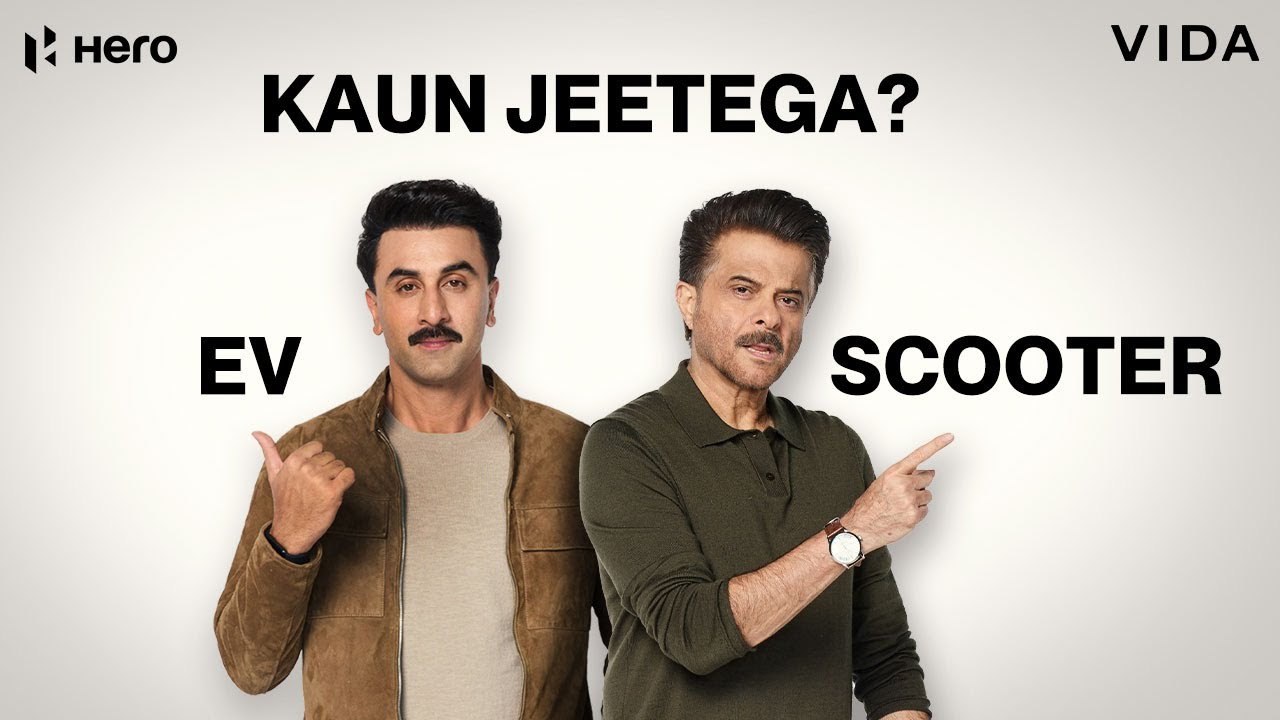
Market Positioning: The Family Electric Revolution
Target Demographics
The VX2 appears designed for:
- Multi-generational families where grandparents might also ride
- Price-conscious buyers wanting electric benefits without premium pricing
- First-time EV adopters who prefer familiar interfaces
- Urban families needing practical daily transportation
Competitive Landscape
In the family-focused electric scooter segment, the VX2 will compete with:
- TVS iQube series
- Bajaj Chetak variants
- Ather 450 series
- Ola S1 lineup
The VX2’s conventional approach and aggressive pricing could carve out a unique position in this crowded market.
July 1 Launch: What to Expect
Multiple Variants Likely
Following the V2’s successful multi-variant strategy, expect the VX2 to offer:
- Different battery capacities for varied range needs
- Feature-based variants to hit different price points
- Color options appealing to family preferences
Key Launch Questions
- How aggressive will Hero price the VX2?
- What range options will be available?
- How will service and charging infrastructure support the family market?
The Bigger Picture: Democratizing Electric Mobility
Why This Launch Matters
The VX2 represents more than just another electric scooter—it’s Hero’s bet on mainstream electric adoption. By simplifying technology, prioritizing comfort, and targeting aggressive pricing, they’re addressing the barriers that keep families from switching to electric.
Market Impact Potential
If successful, the VX2 could:
- Accelerate family adoption of electric two-wheelers
- Normalize electric mobility beyond early adopter circles
- Pressure competitors to develop family-focused EV strategies
- Expand the overall EV market rather than just competing for existing buyers
What This Means for Indian Consumers
The VX2’s family-first approach suggests that the electric scooter market is maturing. Instead of focusing solely on features and performance, manufacturers are now considering real-world family needs: simplicity, affordability, and reliability.
For Indian families on the fence about electric mobility, the VX2 could be the gentle introduction they’ve been waiting for. It promises electric benefits—lower running costs, reduced emissions, quiet operation—without the intimidation factor of complex technology.
The Road Ahead
With Vida’s month-on-month sales growth and the VX2’s family-focused positioning, Hero seems poised to capture a significant slice of India’s growing electric two-wheeler market. The July 1 launch will reveal whether their strategy of simplicity and affordability resonates with Indian families.
The VX2 isn’t trying to be the most advanced electric scooter—it’s trying to be the most approachable one. And in a market where millions of families are still deciding whether to go electric, that might be exactly the right approach.
Sometimes the biggest revolution comes not from the most advanced technology, but from making good technology accessible to everyone. The Vida VX2 could be Hero’s answer to bringing electric mobility to every Indian family.

