

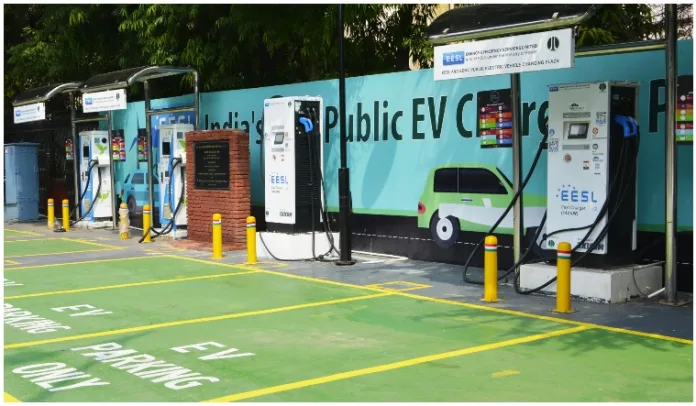

Delhi is set to revolutionise its electric vehicle landscape with significant revisions to its EV transition policy. The Delhi government’s ambitious EV Policy 2.0 aims to achieve 95% electric vehicle adoption by 2027, marking one of the world’s most aggressive clean mobility transitions.
Table of Contents
Key Highlights of Delhi’s EV Policy Revision
Ambitious 95% EV Target by 2027
The proposed Electric Vehicle Policy 2.0 aims for 95% of new vehicle registrations to be electric by 2027, representing a massive leap from the current policy’s 25% target by 2024. This revision positions Delhi as a global leader in electric mobility adoption.
ICE Vehicle Ban Timeline
The revised policy introduces a phased ban on internal combustion engine vehicles:
- August 2025: ICE three-wheeler registrations will be banned
- August 2026: ICE two-wheelers registration ban comes into effect
- CNG Auto-rickshaws: No new CNG auto-rickshaw registrations allowed from August 15, 2025
Third Car EV Mandate
Delhi has mandated that every household’s third private car must be an electric vehicle, making it the first Indian state to implement such a requirement. This measure targets affluent households with multiple vehicles to accelerate EV adoption.
Enhanced Financial Incentives
Two-Wheeler Incentives
Buyers of electric two-wheelers are eligible for an incentive of Rs 10,000 per kilowatt-hour, with a maximum benefit of Rs 30,000 per vehicle. This substantial subsidy makes electric two-wheelers more affordable for Delhi residents.
Extended Policy Benefits
The current EV policy has been extended till March 2025, reviving subsidies and tax exemptions to ensure continuity while the new policy is finalized. However, the government has confirmed that it won’t go ahead with the EV Policy 2.0 ban on ICE two-wheelers by August 15, 2026, indicating potential revisions to the timeline.
Public Transport Transformation
Electric Bus Fleet Expansion
The government has committed to a full transition to electric buses, with plans to increase the e-bus fleet to around 3,000 by the end of 2025. This initiative will significantly enhance the sustainability of Delhi’s public transport system.
Policy Implementation Challenges
Industry Concerns
The aggressive timeline has raised concerns among vehicle manufacturers and dealers about infrastructure readiness and market acceptance. The policy revision addresses some of these concerns while maintaining ambitious environmental targets.
Infrastructure Development
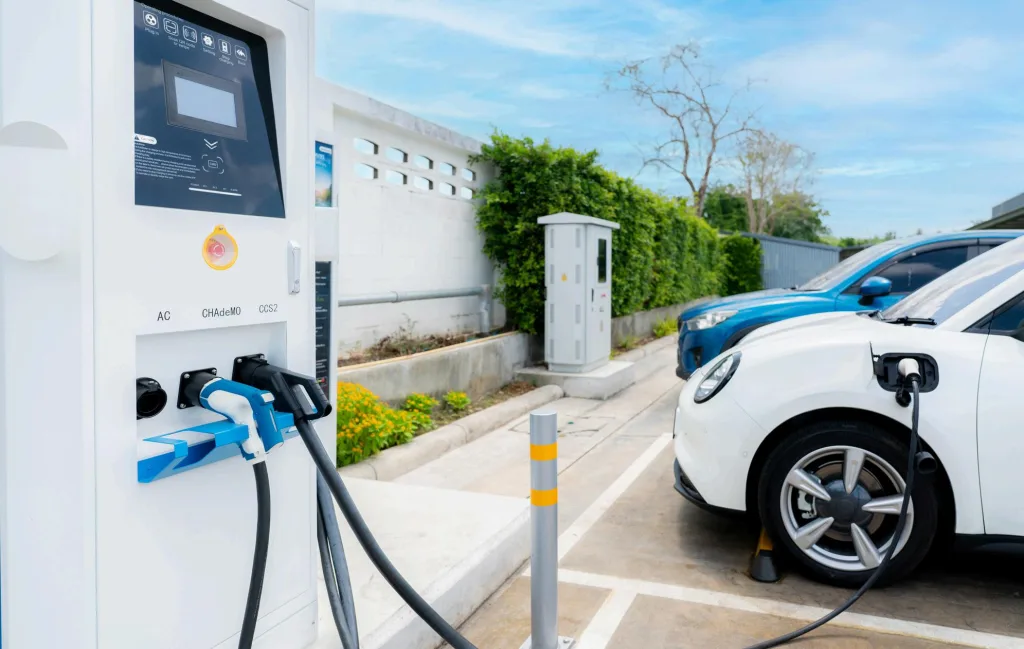
Delhi is simultaneously expanding its charging infrastructure to support the massive EV transition, with plans to establish comprehensive charging networks across the city.
Environmental Impact Goals
Air Quality Improvement
The policy intends to significantly benefit Delhi’s air quality by deploying 25% of all new vehicles as battery-operated vehicles. The revised policy’s 95% target represents an even more ambitious approach to combating Delhi’s severe air pollution.
Global Recognition
The Delhi EV Policy has been regarded as one of the most progressive policies globally, and the revision further strengthens this position.
Timeline and Implementation
The new policy is expected to take effect in April 2025, following Delhi cabinet approval. The policy is expected to be announced soon following approval of the Delhi cabinet.
What This Means for Delhi Residents
Vehicle Buyers
- Substantial subsidies for electric vehicle purchases
- Mandatory EV purchase for third household vehicles
- Limited options for ICE vehicles from 2025-2026
Auto-rickshaw Drivers
- Existing auto drivers will need to shift to electric vehicles or face eventual retirement
- Enhanced support for electric auto-rickshaw adoption
Commuters
- Cleaner public transport with electric buses
- Improved air quality citywide
- Enhanced charging infrastructure availability
Conclusion
Delhi’s EV policy revision represents one of the world’s most ambitious electric vehicle transition programs. With its 95% EV adoption target by 2027 and comprehensive ICE vehicle phase-out plan, Delhi is positioning itself as a global model for sustainable urban mobility.
The success of this policy will depend on effective implementation, adequate infrastructure development, and public acceptance of the accelerated transition timeline. As Delhi prepares for this electric revolution, it could set a precedent for other Indian cities and emerging economies worldwide.

