

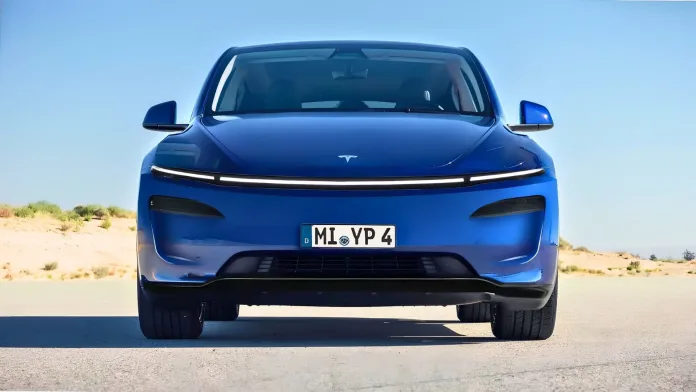

In a surprising turn of events, Tesla’s Model Y has bounced back to dominate China’s electric vehicle market in May 2025, reclaiming its position as the country’s best-selling SUV after facing intense competition from domestic rival BYD.
Table of Contents
Model Y Strikes Back Against BYD Competition
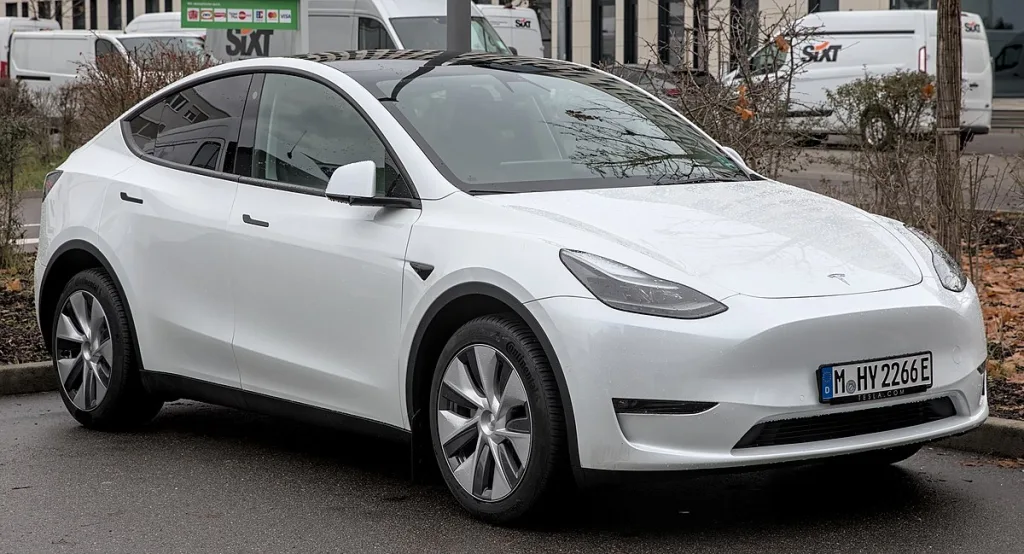
The Model Y reclaimed the title of best-selling SUV, as in April, it ended second with 19,984 sold units, while BYD Song Plus EV sold 20,668 units. This comeback represents a significant victory for Tesla in the world’s largest EV market, where Chinese manufacturers have been gaining substantial ground.
The competition between Tesla and BYD has been particularly fierce in the SUV segment. While BYD’s Song Plus EV managed to edge out the Model Y in April, Tesla’s flagship SUV demonstrated its resilience by regaining the top spot just one month later.
Year-to-Date Performance Shows Tesla’s Strength
Looking at the broader picture, in 2025 (January – May), Tesla sold 126,643 Model Ys in China, while BYD Song Plus sold 110,551 units. This cumulative advantage highlights Tesla’s consistent performance throughout the year, despite monthly fluctuations in the intensely competitive Chinese market.
The year-to-date figures reveal that while individual months may see shifts in leadership, Tesla’s Model Y has maintained a strong overall position in China’s premium SUV segment. This performance is particularly noteworthy given the increasing presence of well-funded Chinese competitors offering feature-rich alternatives at competitive prices.
BYD Maintains Overall Market Leadership
Despite Tesla’s SUV success, BYD continues to dominate China’s broader new energy vehicle (NEV) market. BYD ranked first in retail sales in May with a 15.1 percent market share in the overall passenger vehicle market, demonstrating the company’s strength across multiple vehicle categories.
In the overall passenger vehicle market, which includes traditional internal combustion engine vehicles, BYD ranked first in retail sales in May with a 15.1 percent market share. This broader market leadership shows how Chinese EV manufacturers have successfully challenged not just international EV brands, but the entire automotive industry.
Global EV Market Dynamics Shifting
The China battle reflects broader global trends in the electric vehicle industry. Recent reports indicate that BYD is set to unseat Tesla as the top global EV seller for the first time this year with a 15.7% market share, ahead of Tesla’s 15.3%, according to industry research.
This global competition has intensified as Chinese manufacturers expand their international presence while continuing to innovate in their home market. The success of companies like BYD demonstrates how quickly the EV landscape can shift, with established players facing constant challenges from emerging competitors.
Consumer Preferences and Brand Perception
Market research suggests changing consumer preferences in China’s EV market. Tesla fell to 14 percent as a top EV brand choice, down from 18 percent last year, and now behind both BYD and Xiaomi in consumer brand preference surveys.
This shift in brand perception reflects the growing confidence Chinese consumers have in domestic EV manufacturers, who have rapidly improved their technology, design, and feature offerings. Local brands now offer compelling alternatives that often include advanced connectivity features and competitive pricing.
Market Position and Strategic Implications
Tesla’s May success in the SUV category, while significant, comes amid broader challenges in maintaining its China market position. The company’s overall ranking in China’s NEV market has fluctuated, with Tesla’s ranking in China’s NEV market fell to No. 8 in April from No. 3 in March, illustrating the volatile nature of this competitive landscape.
The Model Y’s ability to reclaim the SUV crown demonstrates Tesla’s continued appeal in the premium segment, even as the company faces pressure in overall market share. This suggests that while Tesla may be losing ground in some areas, its flagship products remain competitive in their specific categories.
Future Outlook for China’s EV Market
The ongoing battle between Tesla and Chinese manufacturers like BYD represents more than just market share competition—it reflects the rapid evolution of the global automotive industry. As Chinese brands continue to expand internationally and Tesla works to maintain its technological edge, the competition is likely to intensify further.
The May results show that success in China’s EV market requires constant innovation and adaptation. Tesla’s ability to bounce back with the Model Y demonstrates that established players can still compete effectively, but sustained success will require continued investment in technology, local market understanding, and competitive pricing strategies.
For consumers, this intense competition translates to better products, more features, and competitive pricing across the EV market. The back-and-forth between Tesla and BYD in China’s SUV segment exemplifies how healthy competition drives innovation and benefits end users in the rapidly evolving electric vehicle landscape.

