

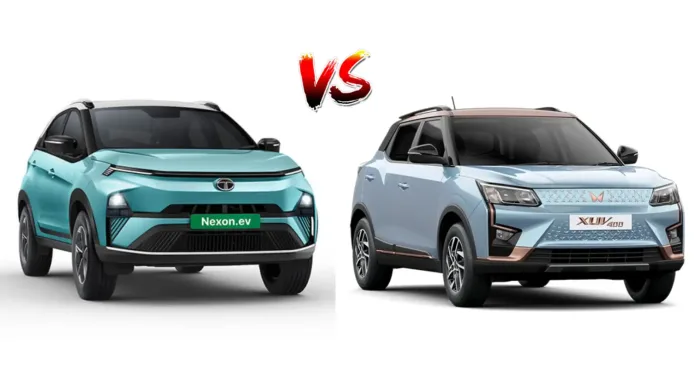

India’s leading EV makers, Tata and Mahindra, push to block hybrids in government fleets, advocating for exclusive electric vehicle adoption to combat pollution and boost investments.
Table of Contents
India’s EV Makers Tata, Mahindra Oppose Hybrids in Government Fleets
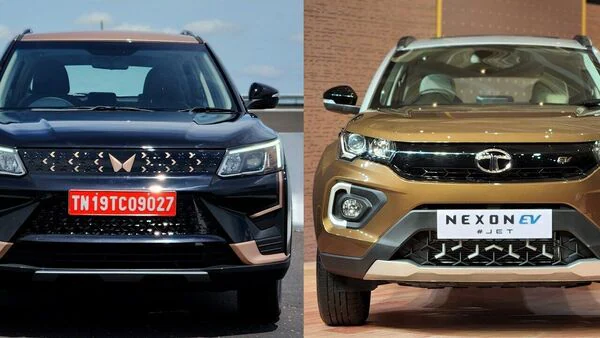
India’s electric vehicle (EV) industry is at a critical crossroads. Tata Motors and Mahindra & Mahindra, two of the country’s largest automakers and pioneers in the EV space, are actively opposing a recent government proposal to include hybrid vehicles in official government fleets around New Delhi.
This opposition, revealed through internal documents and official letters, highlights a significant debate about the future of clean transportation in India and the best path to reduce urban pollution.
The Government’s Proposal and Automakers’ Response
The Commission for Air Quality Management (CAQM), tasked with addressing the severe air pollution crisis in New Delhi and its surrounding areas, recently recommended the inclusion of strong hybrid vehicles in government fleets. Hybrids, which combine an internal combustion engine with an electric battery, were categorised as “cleaner vehicles” in a May 2 advisory.
The commission’s rationale was that hybrids could serve as a transitional technology to reduce pollution from conventional petrol and diesel vehicles.
However, this recommendation caught many EV manufacturers by surprise and sparked immediate pushback. Tata Motors and Mahindra & Mahindra, along with other EV makers like JSW MG Motor, Hyundai, and Kia, have written to the Ministry of Heavy Industries urging the government to restrict incentives and policies exclusively to battery electric vehicles (BEVs).
They argue that hybrids, while cleaner than traditional vehicles, still rely on fossil fuels and emit tailpipe pollutants, which undermines the goal of achieving zero emissions.
Why Are Tata and Mahindra Against Hybrids?
The core of Tata and Mahindra’s argument is that hybrids are a half-measure that could slow down the adoption of fully electric vehicles. Unlike BEVs, hybrids do not eliminate tailpipe emissions because they still use petrol or diesel engines alongside their electric motors. This means hybrids contribute to air pollution, which is a critical concern in New Delhi, one of the world’s most polluted cities.
Moreover, the automakers warn that promoting hybrids could create policy confusion and dilute the government’s existing EV incentives.
India’s production-linked incentive (PLI) schemes and other government programs currently focus solely on supporting electric vehicles, encouraging manufacturers to invest heavily in EV technology, battery production, and charging infrastructure. Including hybrids in these programs could send mixed signals to investors and consumers, potentially slowing the momentum of the EV market.
In a letter dated May 15, Mahindra emphasised the need for government policy and incentives to remain “firmly focused only on EVs.” Tata echoed this sentiment, warning that the CAQM’s move could undermine current and future EV investments, damage India’s reputation as an investor-friendly destination, and confuse international stakeholders.
The Environmental and Economic Stakes
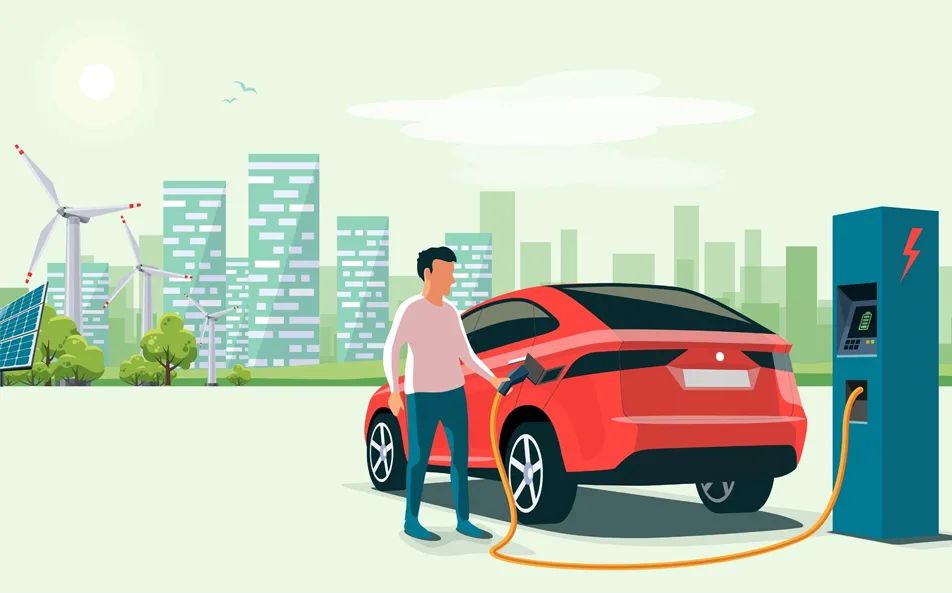
New Delhi’s air pollution crisis is among the worst globally, with vehicular emissions being a major contributor. The city’s ultra-high traffic density exacerbates the problem, making the transition to cleaner vehicles urgent. While hybrids offer some reduction in emissions compared to conventional vehicles, they do not eliminate the problem.
Battery electric vehicles, on the other hand, produce zero tailpipe emissions and can be powered by increasingly cleaner electricity grids. This makes them a more sustainable solution for urban air quality improvement.
From an economic perspective, the stakes are equally high. The Indian EV market is poised for rapid growth, with automakers planning to invest over $10 billion by 2030 in lithium-ion battery manufacturing, EV production, and related infrastructure.
Tata Motors alone has raised $1 billion from private equity firm TPG to accelerate its EV push. Mahindra’s EV unit counts global investors like Singapore’s Temasek and British International Investment, while Hyundai plans to invest over $500 million in EVs in India.
However, the growth of the EV market is already facing challenges such as inadequate charging infrastructure, high upfront vehicle costs, and policy uncertainty. The inclusion of hybrids in government incentives could exacerbate these challenges by confusing consumers and investors about the government’s commitment to EVs.
Government Fleets: A Key Market for EV Adoption
Government fleets represent a significant opportunity for accelerating EV adoption in India. According to official data, there were 847,544 vehicles in use by government agencies across India in 2022, but only 5,384 of these were electric — less than 1%. Transitioning these fleets to electric vehicles could have a substantial impact on reducing pollution and driving demand for EVs.
However, the CAQM’s proposal to include hybrids in government fleets threatens to slow this transition. Tata and Mahindra argue that government procurement policies should prioritise zero-emission vehicles to send a clear signal to the market and encourage private sector adoption.
The Broader Industry Divide: EVs vs. Hybrids
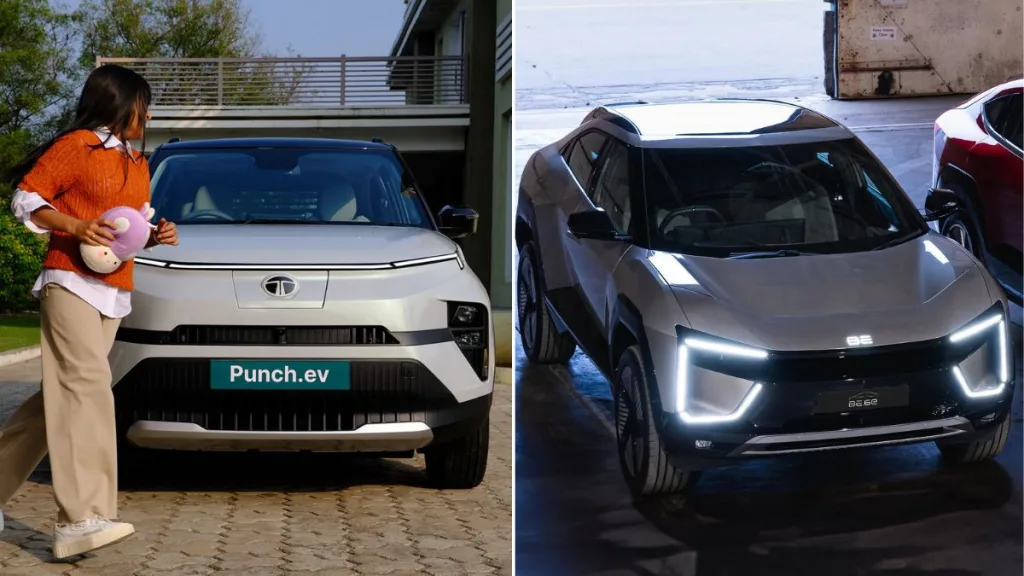
The debate over hybrids versus electric vehicles is not unique to India. Globally, automakers and policymakers are grappling with how best to transition away from fossil fuels. Some manufacturers, like Toyota and Maruti Suzuki, have championed hybrids as a practical intermediate step, citing their lower cost and existing infrastructure compatibility.
In contrast, EV-focused companies like Tata and Mahindra see hybrids as a distraction that could delay the full transition to zero-emission vehicles. This divide reflects broader tensions in the automotive industry about technology pathways, investment priorities, and environmental goals.
Table: Vehicle Types and Their Impact on Pollution and Policy
| Vehicle Type | Tailpipe Emissions | Fuel Dependency | Government Incentives | Pollution Impact |
|---|---|---|---|---|
| Battery Electric Vehicles (BEVs) | Zero | Electricity only | Yes | Lowest |
| Hybrid Vehicles | Moderate | Battery + Fossil Fuel | No (proposed) | Moderate |
| Conventional Vehicles | High | Fossil Fuel only | No | Highest |

