

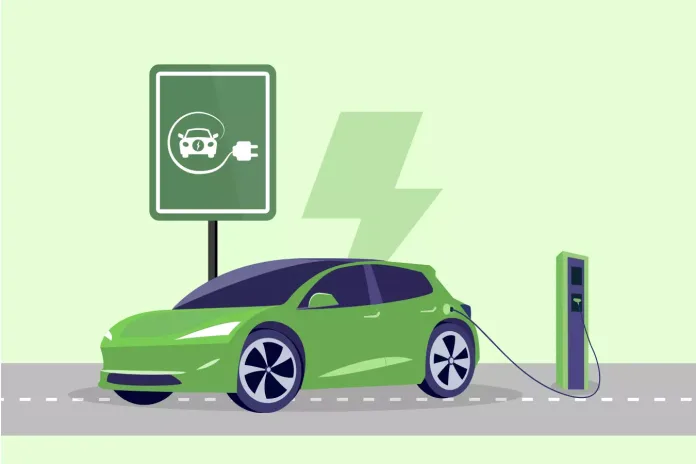

Maharashtra, one of India’s most industrialised and populous states, has taken a bold step toward a greener future by unveiling a new Electric Vehicle (EV) policy. This visionary plan aims to achieve 30% EV adoption across the state by 2030, marking a significant milestone in India’s journey toward sustainable transportation.
With rising pollution levels and the urgent need to reduce carbon emissions, Maharashtra’s policy is set to accelerate the shift from traditional fossil fuel vehicles to cleaner, electric alternatives.
Table of Contents
Why Maharashtra’s EV Policy Matters
As India’s economy grows, so does the demand for personal and commercial vehicles. Unfortunately, this growth has come with increased air pollution and greenhouse gas emissions. Maharashtra, home to Mumbai and Pune, faces severe air quality challenges.
The new EV policy is designed to tackle these issues head-on by promoting electric mobility, which offers zero tailpipe emissions and lower operating costs.
The policy is not just about environmental benefits; it also aims to boost the local economy by attracting EV manufacturers, creating jobs, and encouraging innovation in clean technology. Maharashtra’s government is positioning the state as a leader in India’s EV revolution.
Key Highlights of Maharashtra’s EV Policy
| Feature | Details |
|---|---|
| Target EV Adoption by 2030 | 30% of all vehicles on the road to be electric |
| Incentives for Buyers | Subsidies, tax rebates, and reduced registration fees |
| Support for Manufacturers | Land allotment, financial aid, and infrastructure support |
| Charging Infrastructure | Expansion of public charging stations across urban and rural areas |
| Focus on Public Transport | Electrification of buses and government fleets |
| R&D and Innovation | Grants for EV technology research and development |
How the Policy Will Drive Change
The Maharashtra EV policy is comprehensive, addressing multiple facets of the EV ecosystem. It offers attractive incentives to consumers, making electric vehicles more affordable and accessible. Buyers can expect subsidies on electric two-wheelers, three-wheelers, and cars, along with exemptions from road tax and registration fees.
For manufacturers, the policy provides financial support and easier access to land for setting up production units. This is expected to attract both domestic and international EV companies to invest in Maharashtra, creating a robust manufacturing hub.
Charging infrastructure is another critical focus area. The government plans to install thousands of public charging stations, ensuring that EV owners have convenient access to power, reducing range anxiety—a major barrier to EV adoption.
Public transportation will also see a green makeover, with plans to electrify bus fleets and government vehicles, further reducing the state’s carbon footprint.
Benefits for Citizens and the Environment
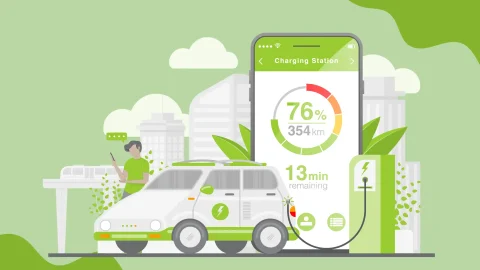
The shift to electric vehicles promises multiple benefits. For citizens, EVs mean lower fuel and maintenance costs, quieter rides, and improved air quality. For the environment, widespread EV adoption will significantly cut down harmful emissions, helping Maharashtra meet its climate goals and improve public health.
Maharashtra’s EV Policy in the National Context
Maharashtra’s ambitious target aligns with India’s broader goals under the Faster Adoption and Manufacturing of Hybrid and Electric Vehicles (FAME) scheme. The state’s proactive approach could serve as a model for other regions, accelerating India’s transition to clean mobility.
What Challenges Lie Ahead?
While the policy is promising, challenges remain. The upfront cost of EVs, though decreasing, is still higher than conventional vehicles. Building a reliable charging network, ensuring grid capacity, and educating consumers about EV benefits are critical tasks. Maharashtra’s government will need to work closely with industry stakeholders and citizens to overcome these hurdles.
Conclusion
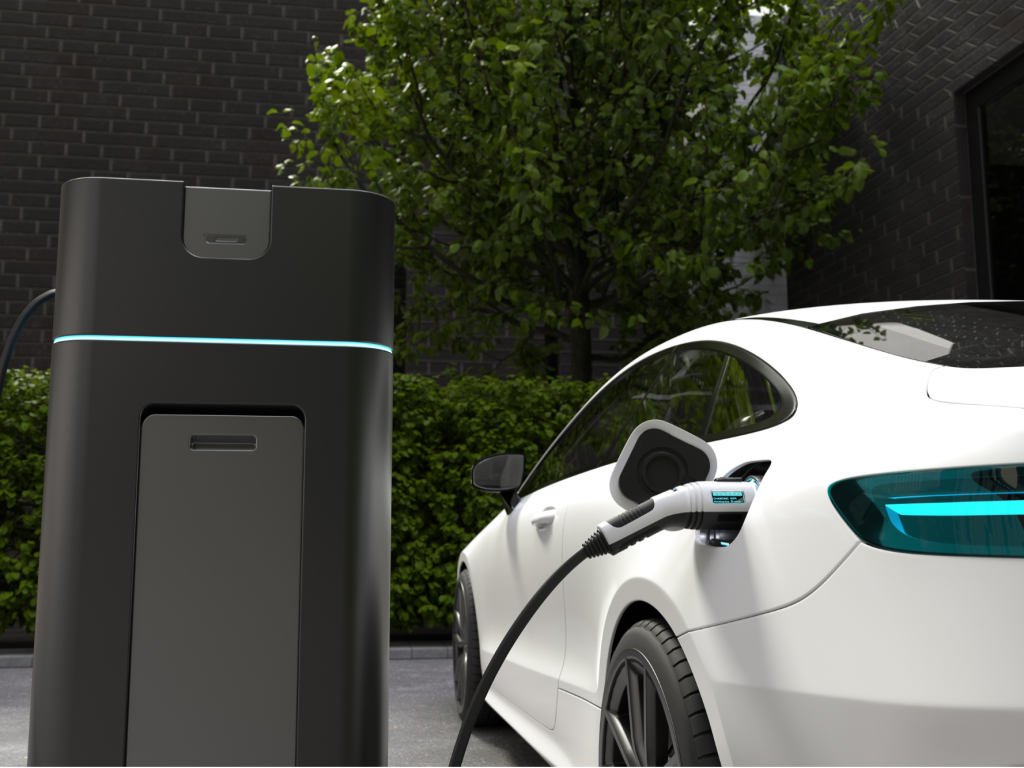
Maharashtra’s new EV policy is a landmark initiative that could transform the state’s transportation landscape. By targeting 30% EV adoption by 2030, the policy not only addresses environmental concerns but also fosters economic growth and technological innovation.
As Maharashtra drives toward a cleaner, greener future, it sets an inspiring example for India and the world.

