


Discover how the global EV market is on track to exceed 40% of all car sales by 2030, according to the latest IEA report. Explore trends, regional growth, and future projections for electric vehicles worldwide.
Table of Contents
Global EV Market Set to Surpass 40% by 2030: IEA Report
The electric vehicle (EV) revolution is no longer a distant dream—it’s happening right now, and it’s transforming the way the world moves.
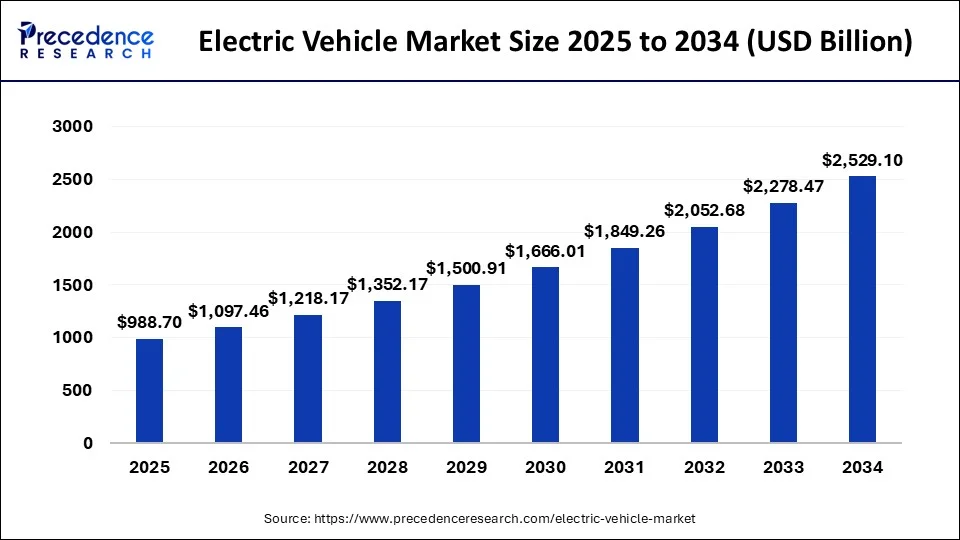
According to the International Energy Agency’s (IEA) latest Global EV Outlook, the global EV market is on a fast track to account for more than 40% of all car sales by 2030. This remarkable growth is being fueled by falling prices, expanding choices, and robust policy support, especially in emerging economies.
The EV Boom: A Snapshot of 2025
This year marks a major milestone for electric vehicles. For the first time, more than one in four cars sold worldwide will be electric. By the end of this decade, that number is expected to climb to more than two in five. The IEA’s 2025 report highlights that global electric car sales are set to surpass 20 million units, representing over a quarter of all new car sales worldwide.
What’s driving this surge? The answer lies in a combination of technological advancements, increased competition, and supportive government policies. As battery technology improves and manufacturing scales up, the cost of EVs continues to drop, making them more accessible to a broader range of consumers.
Regional Leaders: China, the US, and Europe
Let’s take a closer look at how different regions are performing in the global EV market:
| Region | 2024 EV Market Share | 2025 Q1 Growth | Notable Trends |
|---|---|---|---|
| China | ~50% | Record highs | 11M+ EVs sold in 2024; 2/3 cheaper than petrol |
| United States | >10% | +10% YoY | Steady growth, but price gap remains |
| Europe | ~20% | Plateaued | Growth slowed by subsidy phaseouts |
| Asia & LatAm | Rapidly rising | +60% YoY | Emerging as new growth engines |
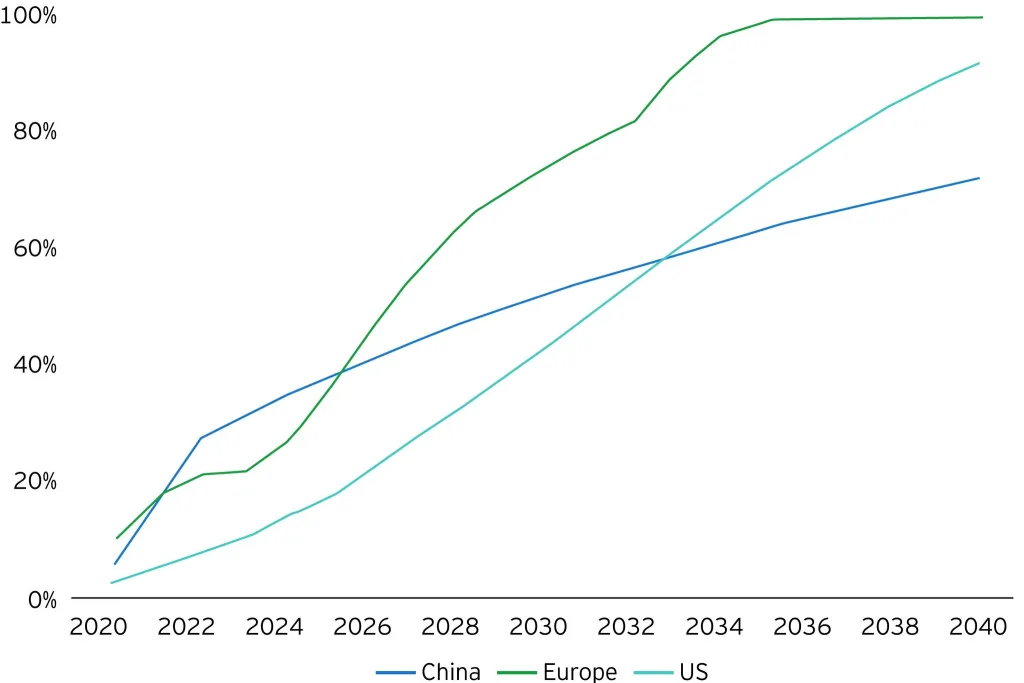
China remains the undisputed leader, accounting for nearly half of all EV sales in 2024 and producing over 70% of the world’s electric vehicles. The country sold more than 11 million electric cars last year—equal to the total number sold globally in 2022.
What’s even more impressive is that two-thirds of EVs sold in China were cheaper than their petrol or diesel counterparts, even without government subsidies.
The United States is also making significant strides, with EVs now making up more than one in ten new car sales. Sales grew by about 10% year-on-year, reflecting growing consumer interest and expanding model options. However, the price gap between EVs and traditional vehicles remains a challenge, with electric cars still about 30% more expensive on average.

Europe, once a frontrunner in EV adoption, has seen growth plateau at around 20% market share. The phaseout of subsidies and weaker policy support have slowed momentum, but the region remains a key player in the global EV landscape.
Emerging economies in Asia and Latin America are quickly catching up, with EV sales surging by more than 60% in 2024. These regions are becoming new engines of growth, driven by falling prices and increasing availability.
Why Are EVs Becoming More Popular?
The average price of battery electric cars fell in 2024, thanks to increased competition and lower battery costs. In China, most EVs are now cheaper than petrol cars, making them an attractive option for cost-conscious buyers.
In Germany and the United States, EVs are still pricier upfront—about 20% and 30% more expensive, respectively—but they offer significant savings over time.
Operating costs for EVs remain much lower than for petrol or diesel vehicles. Even if oil prices were to drop to $40 a barrel, the cost of charging an EV at home in Europe would still be about half the cost of running a petrol car. This long-term affordability is a major factor driving adoption, especially as more consumers become aware of the total cost of ownership.
Electric Trucks: The Next Big Thing
It’s not just passenger cars that are going electric. Electric trucks are gaining momentum, with global sales jumping 80% in 2024. They now account for nearly 2% of all truck sales worldwide.
China is once again leading the way, doubling its sales of electric trucks last year. Some heavy-duty models are already cost-competitive with diesel trucks, thanks to significantly lower operating costs.
The Road Ahead: Opportunities and Challenges
While the outlook for the global EV market is overwhelmingly positive, the IEA cautions that global trends and evolving industrial policies could still impact future growth.
Factors such as supply chain disruptions, changes in government incentives, and fluctuating raw material prices could pose challenges. However, the overall trajectory is clear: EVs are becoming mainstream, more affordable, and increasingly vital to the world’s clean energy transition.

