

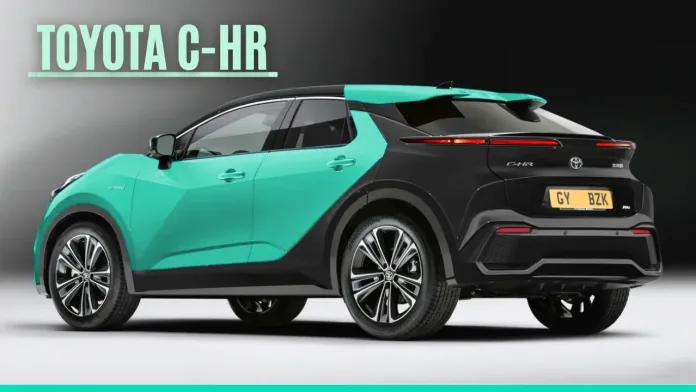

In a bold move that signals Toyota’s accelerated commitment to electrification, the Japanese automotive giant has unveiled its highly anticipated C-HR EV, a fully electric version of its popular compact crossover that combines striking design with impressive performance metrics. This groundbreaking electric SUV represents Toyota’s most serious effort yet to establish itself as a formidable competitor in the rapidly expanding electric vehicle market.
With an impressive 467 km driving range, exhilarating acceleration that propels it from 0 to 96 km/h in just 5 seconds, and a suite of cutting-edge technology features, the C-HR EV is positioned to challenge established electric SUV players while offering Toyota loyalists a compelling reason to make the switch to electric.
The revival of the C-HR nameplate as a fully electric model marks a significant evolution from its predecessor, which was discontinued in the US market after the 2022 model year. Far from being a mere electric conversion of the previous gas-powered model, the new C-HR EV features a complete redesign that embraces Toyota’s latest design language while incorporating purpose-built EV architecture.
This transformation reflects Toyota’s strategic pivot toward electrification, with the C-HR EV serving as a key component in the company’s expanding electric vehicle portfolio. As global markets increasingly shift toward sustainable transportation solutions, Toyota’s entry into the compact electric SUV segment with such a capable offering demonstrates the company’s determination to remain at the forefront of automotive innovation.
Striking Design Meets Electric Performance
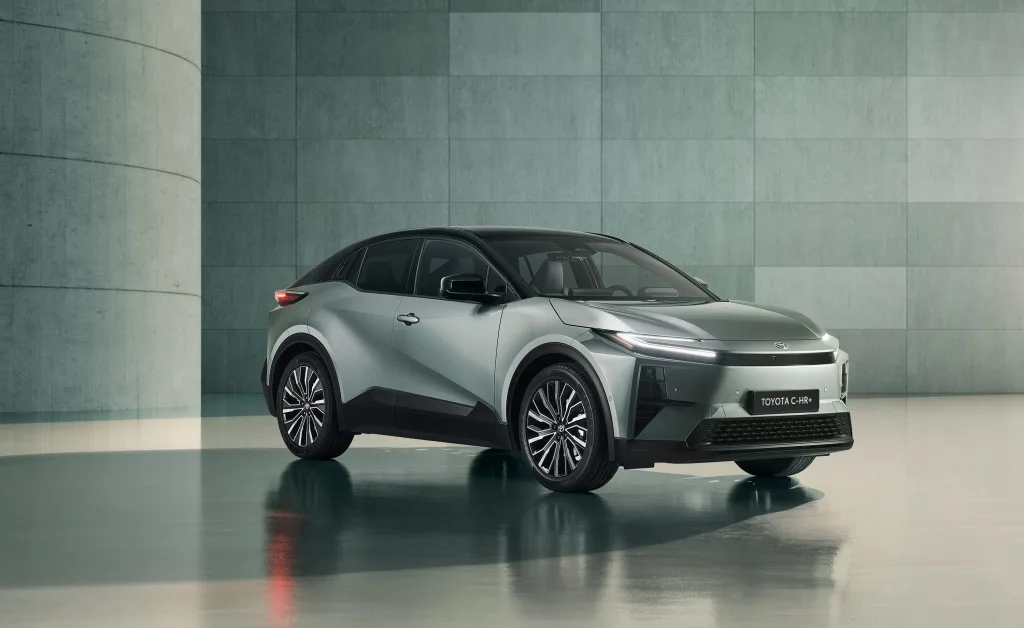
The 2026 Toyota C-HR EV represents a dramatic departure from its predecessor, embracing a sleek, modern aesthetic that aligns with Toyota’s evolving design language. The electric SUV features Toyota’s distinctive “hammerhead front end” with slim LED headlights that create an unmistakable presence on the road.
“The electric version is a drastic upgrade over the retired gas-powered model,” notes Peter Johnson from Electrek, highlighting the vehicle’s transformation source.
At 177.9 inches long, 73.6 inches wide, and 63.8 inches tall, the C-HR EV positions itself in the compact SUV segment, offering a slightly smaller footprint than Toyota’s bZ4X while providing comparable interior space thanks to its purpose-built electric platform.
The most impressive aspect of the C-HR EV’s performance comes from its powerful electric drivetrain. The standard all-wheel-drive configuration delivers up to 338 horsepower (252 kW), enabling the vehicle to accelerate from 0 to 60 mph in approximately 5 seconds. This level of performance puts the C-HR EV in the same league as many premium electric vehicles, despite its more accessible price point.
“Outside of its GR performance models, the AWD version will be Toyota’s most powerful vehicle in Europe,” according to Electrek source.
Impressive Range and Charging Capabilities
The Toyota C-HR EV comes equipped with a 74.7 kWh battery pack that delivers an estimated 467 km (290 miles) of driving range on a single charge. This competitive range figure positions the C-HR EV favorably against established competitors in the electric compact SUV segment.
For the European market, Toyota offers two battery options:
- A 57.7 kWh battery for front-wheel drive models
- A larger 77 kWh battery available for both front-wheel drive and all-wheel drive configurations
The European version with the 77 kWh battery boasts an even more impressive WLTP range of up to 600 km (373 miles), though this figure is pending final homologation.
Charging capabilities are equally impressive, with the C-HR EV supporting DC fast charging at speeds up to 150 kW. This allows the battery to recharge from 10% to 80% in approximately 30 minutes, making long-distance travel practical. For home charging, the vehicle comes standard with an 11 kW onboard charger, with a 22 kW option available on higher trim levels.
The US version will also feature an NACS charging port, allowing owners to access Tesla’s extensive Supercharger network—a significant advantage for American consumers concerned about charging infrastructure.
| Specification | US Model | European Model |
|---|---|---|
| Battery Capacity | 74.7 kWh | 57.7 kWh or 77 kWh |
| Range | 290 miles (467 km) | Up to 600 km (373 miles) WLTP |
| Fast Charging | 10-80% in 30 minutes | 10-80% in 30 minutes |
| Power Output | 338 hp | Up to 343 hp (252 kW) |
| Acceleration (0-60 mph) | ~5 seconds | 5.2 seconds (0-100 km/h) |
| Starting Price (Est.) | ~$35,000 | €23,500 ($25,000) |
Premium Interior and Advanced Technology
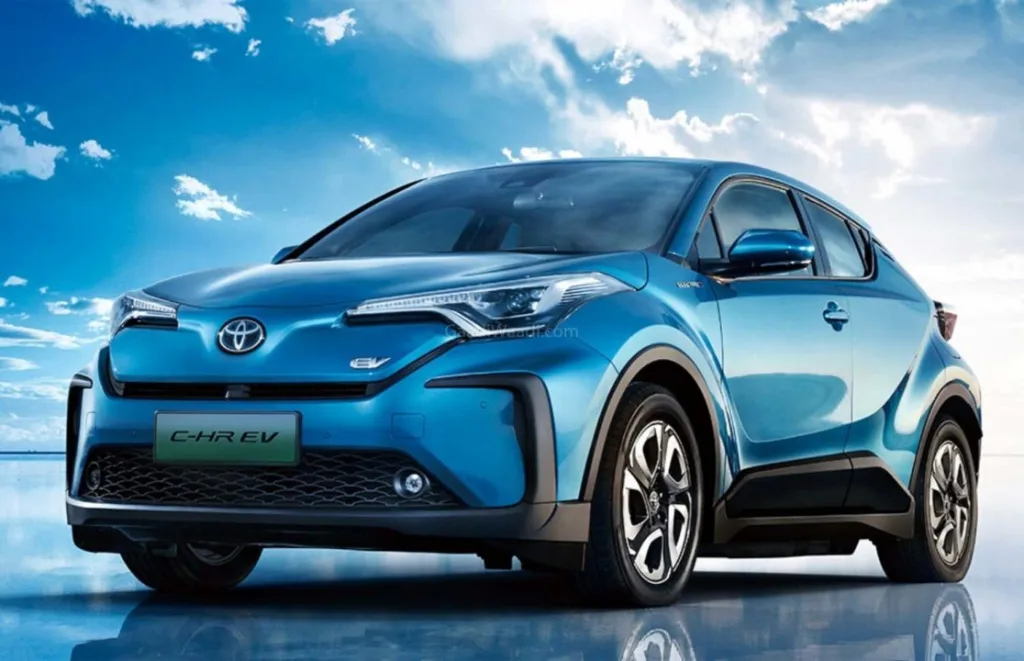
Inside, the C-HR EV offers a sophisticated cabin that Toyota describes as a “class above” its segment. The extended wheelbase provides an open, welcoming feel, while premium materials and thoughtful design elements create an upscale atmosphere.
The centerpiece of the interior is a standard 14-inch touchscreen infotainment system featuring Toyota’s latest multimedia platform. This system includes:
- Wireless Apple CarPlay and Android Auto compatibility
- EV-specific navigation with charging station information
- Digital driver display
- Wireless smartphone charging
“Toyota loaded it with its latest connectivity and safety tech, including Toyota Safety Sense active safety and driver assistance systems,” reports Electrek.
Standard safety features include:
- Blind Spot Monitor
- Adaptive High-Beam headlights
- Parking Support Brake
- Toyota Safety Sense 3.0 suite of driver assistance technologies
Higher trim levels add even more premium features, such as:
- 20-inch gun metal finished wheels (vs. standard 18-inch)
- SofTex and synthetic suede-trimmed seats
- Digital Rearview Mirror with HomeLink
- Panoramic View Monitor
- Fixed panoramic moonroof
Market Positioning and Availability
The 2026 Toyota C-HR EV is positioned as a more affordable alternative to the bZ4X in Toyota’s electric vehicle lineup. While official pricing hasn’t been announced, industry analysts expect the C-HR EV to start around $35,000 in the US market, making it competitive with models like the Chevrolet Bolt EUV and Kia Niro EV.
“Although Toyota has yet to reveal prices, since the C-HR is smaller than the bZ4X, it’s expected to start at around $35,000,” notes Peter Johnson.
In Europe, the C-HR EV is expected to be even more aggressively priced, with estimates suggesting a starting price of around €23,500 ($25,000), potentially making it one of the most affordable electric SUVs in its class.
The C-HR EV will be available in multiple powertrain configurations globally:
- Fully electric (EV)
- Hybrid
- Plug-in Hybrid (PHEV)
- Fuel Cell (in select markets)
This multi-pathway approach aligns with Toyota’s broader strategy of offering various electrified options to meet diverse customer needs and regional infrastructure differences.
The electric SUV is scheduled to arrive at US dealerships in 2026, with European markets seeing a phased rollout beginning in late 2025.
Toyota’s Evolving Electric Strategy
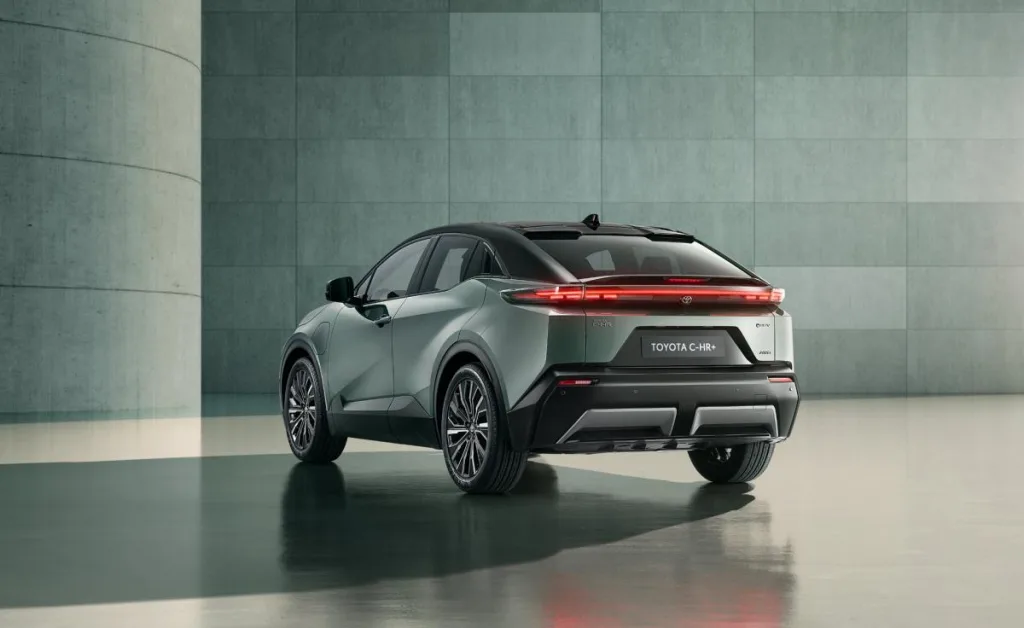
The introduction of the C-HR EV represents a significant milestone in Toyota’s evolving approach to electrification. Long known for its hybrid technology, Toyota has been perceived as hesitant in fully embracing battery electric vehicles. The C-HR EV, along with the recently renamed and upgraded bZ electric SUV, signals a more aggressive push into the EV market.
“Toyota may end up being the tortoise that beats the hare (Tesla), because the hare got overconfident,” commented one Electrek reader, highlighting the potential impact of Toyota’s methodical approach to electrification source.
The C-HR EV’s impressive specifications and competitive pricing suggest that Toyota is serious about establishing itself as a major player in the electric vehicle market, leveraging its reputation for reliability and quality while embracing the performance advantages inherent to electric powertrains.
Also Read: Royal Enfield Electric Bikes to Arrive in 2026
Frequently Asked Questions
How does the Toyota C-HR EV compare to the Tesla Model Y in terms of range and performance?
The Toyota C-HR EV offers a competitive 467 km (290 miles) of range in the US market, which is slightly less than the Tesla Model Y Long Range’s approximately 330 miles. However, the C-HR EV’s expected price point of around $35,000 is significantly lower than the Model Y’s starting price of over $50,000.
In terms of performance, the C-HR EV’s 0-60 mph time of approximately 5 seconds is comparable to the Model Y Long Range, though not as quick as the Performance variant. The C-HR EV represents a more affordable entry point into electric SUV ownership while still offering respectable range and performance metrics.
Will the Toyota C-HR EV qualify for federal tax incentives in the United States?
While Toyota has not confirmed production locations for the US-market C-HR EV, if the vehicle is manufactured in North America and meets battery component sourcing requirements, it could potentially qualify for up to $7,500 in federal tax incentives under the Inflation Reduction Act. This would further enhance its value proposition, potentially bringing the effective price below $30,000 for qualifying buyers. However, official eligibility will depend on final production details and battery sourcing, which Toyota has not yet announced for the US version of the vehicle.

