

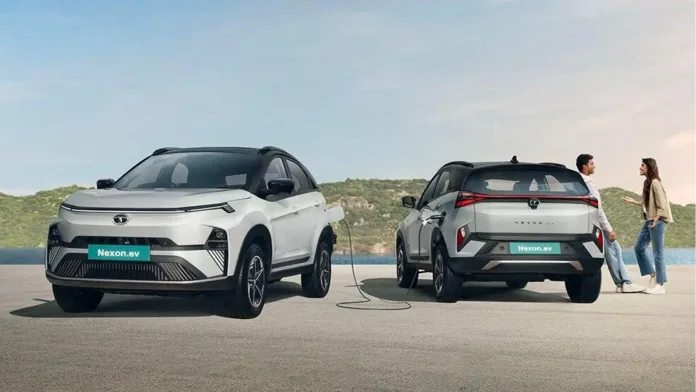

Discover how Tata Motors is accelerating its EV plans in 2025 with new launches like the Harrier. EV and Sierra. EV, cost-cutting strategies, and enhanced customer focus to lead India’s electric vehicle revolution.
Table of Contents
Tata Motors EV Plans 2025: New Launches, Cost Cuts & Market Growth
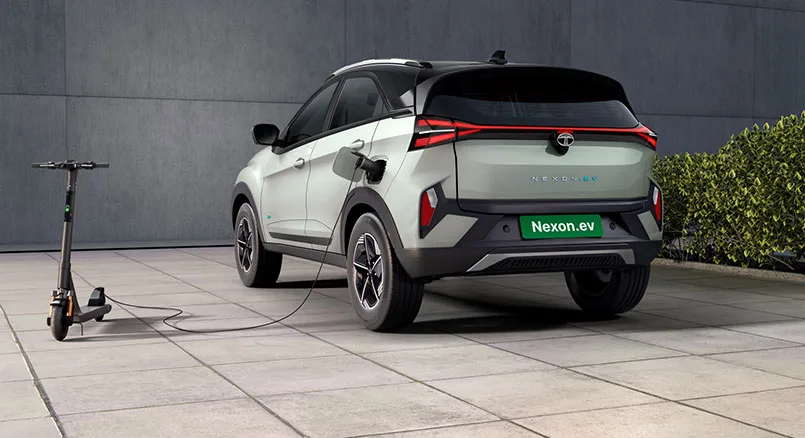
Tata Motors, one of India’s automotive giants, is gearing up for a transformative year in 2025. The company is set to accelerate its electric vehicle (EV) ambitions with new model launches, strategic cost-cutting, and a renewed focus on customer experience.
Despite facing a slight decline in EV sales last year, Tata Motors remains steadfast in its commitment to electrification and aims to make EVs a mainstream choice for Indian consumers.
Expanding the EV Lineup: Harrie EV and Sierra EV
The highlight of Tata Motors’ 2025 strategy is the launch of two highly anticipated electric SUVs: the Harrier.ev and the Sierra.ev. These models are expected to combine Tata’s hallmark durability and safety with advanced electric powertrains and smart technology features.
The Harrier.ev, a fully electric version of the popular Harrier SUV, promises to offer a blend of style, performance, and eco-friendliness. Meanwhile, the Sierra.ev is positioned as a premium electric SUV, targeting customers looking for luxury and innovation in the EV space.
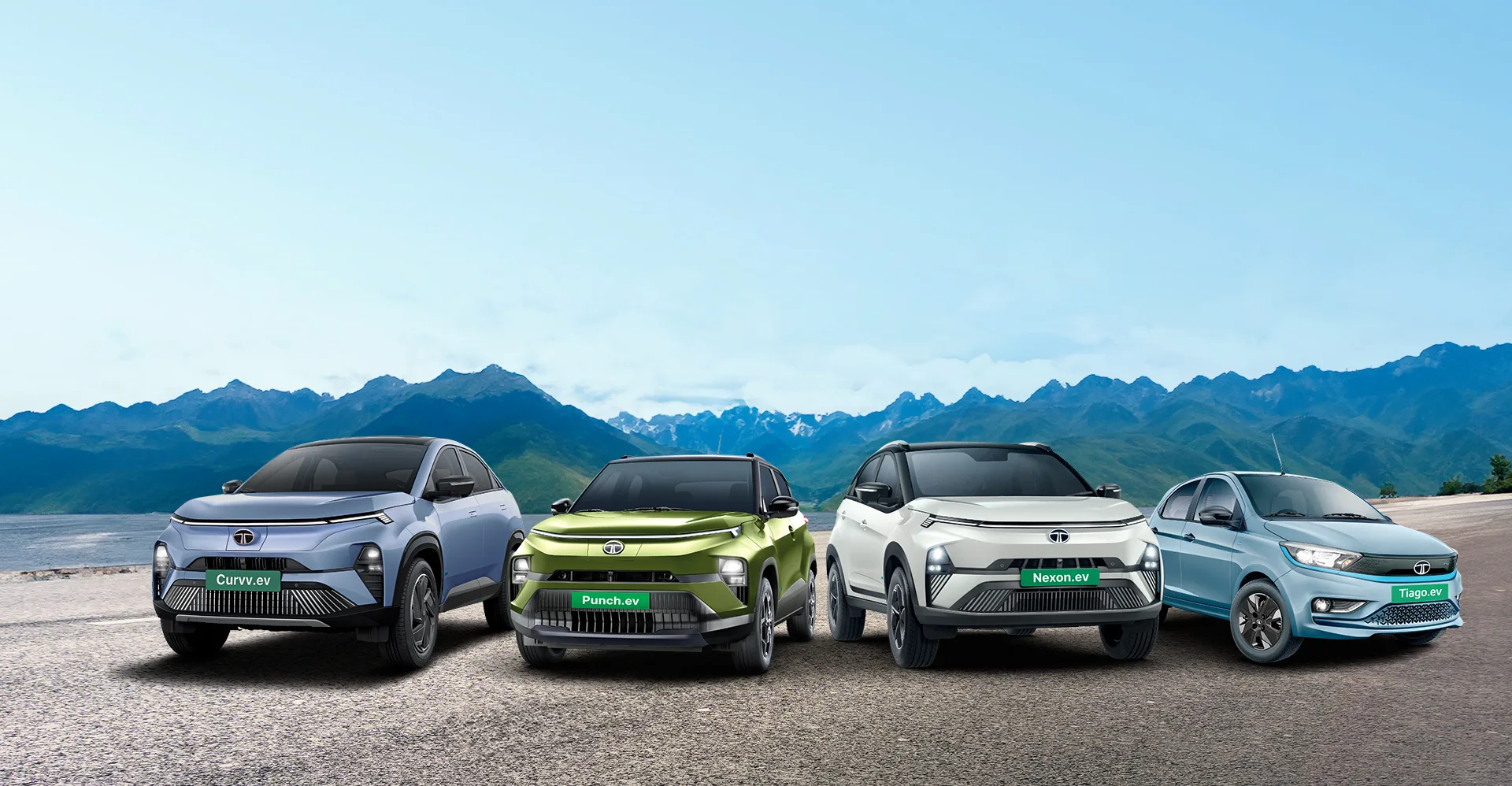
Alongside these launches, Tata Motors plans to upgrade its existing EV models, enhancing battery efficiency, driving range, and in-car technology. These improvements aim to address customer feedback and increase the overall value proposition of Tata’s EV portfolio.
Sales Performance and Market Challenges
In the financial year 2025 (FY25), Tata Motors sold approximately 65,000 electric vehicles, which represents a 10% decline compared to FY24. This dip reflects broader market challenges such as supply chain disruptions, rising raw material costs, and evolving consumer preferences. However, Tata Motors views this as a temporary setback rather than a long-term trend.
The company is confident that the Indian EV market will grow rapidly in the coming years, driven by government incentives, increasing environmental awareness, and improving charging infrastructure. Tata Motors is actively working to strengthen the EV ecosystem by offering better products, expanding charging networks, and enhancing after-sales support.
Revitalizing Petrol, Diesel & Commercial Vehicles
While EVs are a major focus, Tata Motors is not neglecting its traditional internal combustion engine (ICE) vehicles. The company plans to refresh its petrol and diesel vehicle lineup, particularly its hatchbacks and SUVs, to keep them competitive and appealing.
This dual approach allows Tata Motors to cater to a wide range of customers during the transition period when ICE vehicles still dominate the market.
In the commercial vehicle segment, Tata Motors expects improved fleet utilization and a stable market environment, supported by favorable macroeconomic trends. The company is also preparing to comply with new regulations, such as the updated air conditioning (AC) rules for trucks, ensuring its commercial vehicles remain compliant and attractive to fleet operators.
Strategic Marketing and Retail Expansion
To boost sales and market presence, Tata Motors is investing heavily in marketing campaigns and brand partnerships. The company plans to collaborate with popular brands to create engaging campaigns that resonate with younger, tech-savvy consumers who are more likely to adopt EVs.
Additionally, Tata Motors aims to expand its retail footprint by opening more large-format stores in key markets across India. These stores will offer immersive customer experiences, showcasing the latest EV technology and providing comprehensive after-sales services. This retail expansion is designed to make Tata’s vehicles more accessible and to build stronger relationships with customers.
Cost-Cutting for Competitiveness and Profitability
In a highly competitive automotive market, cost management is crucial. Tata Motors is implementing various cost-cutting measures to optimize operations and reduce expenses. These efforts include streamlining the supply chain, improving manufacturing efficiencies, and leveraging economies of scale.
By controlling costs, Tata Motors aims to maintain profitability while offering competitively priced vehicles. This balance is essential to attract price-sensitive Indian consumers and to sustain long-term growth in both the EV and ICE segments.
Leading the Future of Mobility
Tata Motors envisions itself as a leader in India’s mobility future, driven by smart technology, innovative models, and superior customer service. The company is investing in connected car technologies, autonomous driving features, and sustainable manufacturing practices.
In the small commercial vehicle (SCV) segment, Tata Motors aims to regain market share by offering value-added features and reliable products tailored to the needs of small business owners and fleet operators.
The company’s commitment to sustainability extends beyond vehicles to include initiatives such as battery recycling, renewable energy use in manufacturing, and community engagement programs promoting green mobility
Tata Motors 2025 Strategy Overview
| Focus Area | Key Actions | Expected Outcome |
|---|---|---|
| EV Expansion | Launch Harrier.ev, Sierra.ev, upgrade models | Increased EV market share and customer appeal |
| Petrol & Diesel Vehicles | Refresh hatchbacks and SUVs | Maintain competitiveness in ICE segment |
| Commercial Vehicles | Improve fleet usage, comply with AC rules | Stable growth and regulatory compliance |
| Marketing & Sales | Strong campaigns, brand tie-ups, new stores | Higher sales and better customer reach |
| Cost Management | Streamline operations, reduce expenses | Enhanced profitability and market resilience |
Conclusion
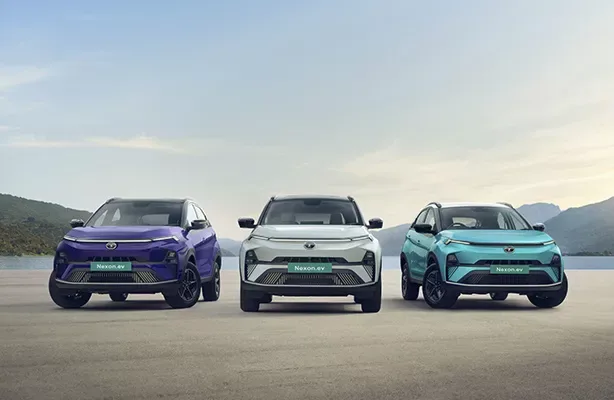
Tata Motors is at a pivotal moment in its journey toward electrification and sustainable mobility. With the launch of exciting new EV models, strategic cost management, and a customer-centric approach, the company is well-positioned to lead India’s electric vehicle revolution.
While challenges remain, Tata Motors’ comprehensive strategy across EVs, ICE vehicles, and commercial segments reflects its commitment to innovation, growth, and environmental responsibility.
As India’s EV market evolves, Tata Motors’ efforts to expand its product range, improve customer experience, and optimize costs will be key drivers of success. For consumers and industry watchers alike, 2025 promises to be a landmark year for Tata Motors and the future of mobility in India. Stay tuned for more updates on this exciting journey.

