

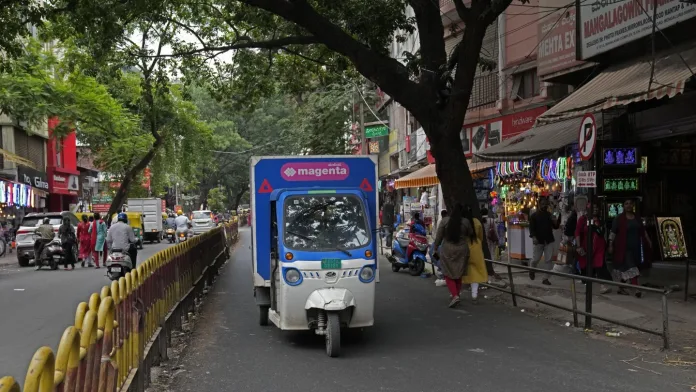

India’s streets are buzzing with a quiet revolution. The familiar hum of auto-rickshaws is being replaced by the gentle whirr of electric motors, as the country cements its position as the world’s largest market for electric three-wheelers.
This transformation is not just about technology—it’s about people, livelihoods, and a nation’s commitment to a cleaner, greener future.
Table of Contents
The Electric Three-Wheeler Boom: India’s Unique Story
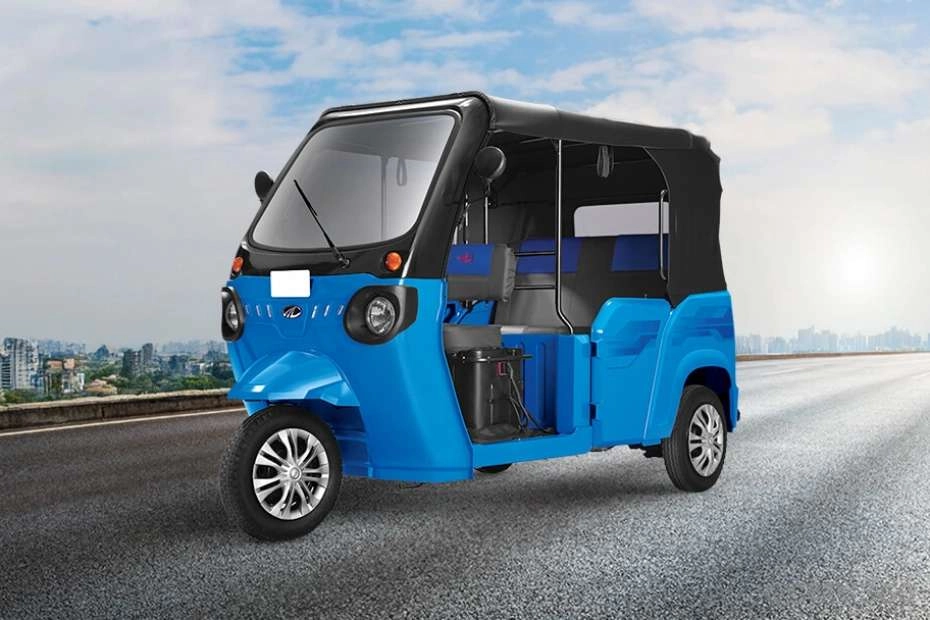
Electric three-wheelers, often called e-rickshaws or e-autos, have become a lifeline for millions of Indians. These vehicles are more than just a mode of transport; they are a symbol of affordable mobility, entrepreneurship, and environmental responsibility.
According to the International Energy Agency (IEA), India now accounts for the majority of global electric three-wheeler sales, outpacing every other country in both adoption and innovation.
But what makes India such fertile ground for this electric revolution? The answer lies in a blend of necessity, opportunity, and vision.
Key Drivers Behind India’s Electric Three-Wheeler Success
India’s dominance in the electric three-wheeler market is the result of several converging factors:
| Factor | Impact on Market Growth |
|---|---|
| Government Incentives | Subsidies and tax benefits make EVs more affordable |
| Urbanization | Growing cities increase demand for last-mile connectivity |
| Cost Efficiency | Lower running costs attract drivers and fleet operators |
| Environmental Goals | Push for cleaner air and reduced carbon emissions |
| Local Manufacturing | Homegrown companies innovate and scale production |
1. Government Support and Policy Push
The Indian government has played a pivotal role in accelerating the adoption of electric vehicles (EVs). Through initiatives like the Faster Adoption and Manufacturing of Electric Vehicles (FAME) scheme, subsidies, and tax exemptions, the government has made it easier and more attractive for drivers and fleet operators to switch to electric three-wheelers.
State governments have also introduced their own incentives, further boosting the market.
2. Urbanisation and Last-Mile Connectivity
India’s rapid urbanisation has created a massive demand for efficient, affordable last-mile transportation. Electric three-wheelers are perfectly suited for short-distance commutes, connecting people from metro stations to their homes or workplaces. Their compact size and manoeuvrability make them ideal for navigating crowded city streets.
3. Cost Savings for Drivers
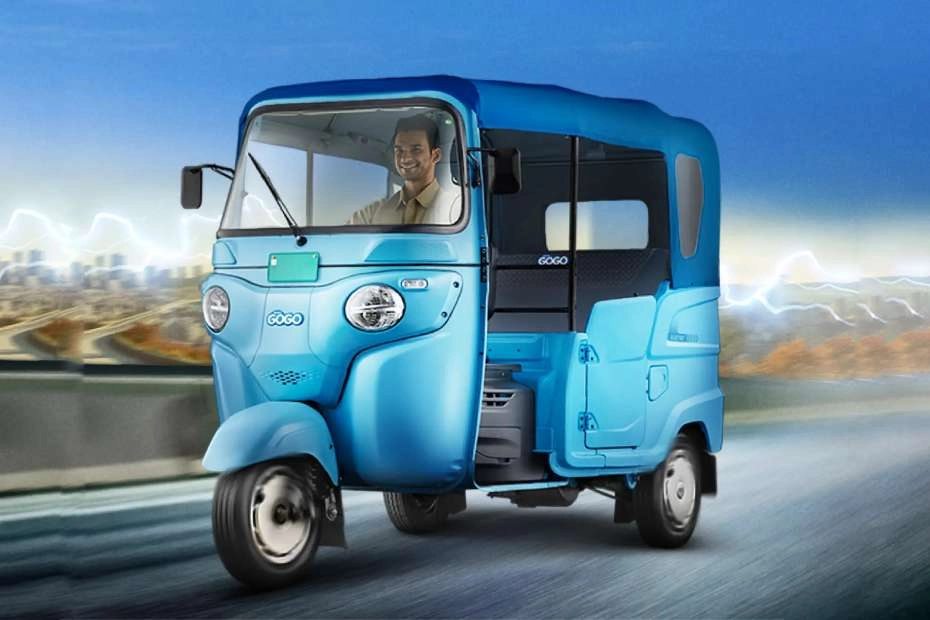
For many drivers, the switch to electric is a matter of economics. Electric three-wheelers have significantly lower running and maintenance costs compared to their petrol or diesel counterparts. With rising fuel prices, the savings on daily operations can be substantial, making e-rickshaws a smart investment for small business owners and fleet operators.
4. Environmental Benefits
Air pollution is a pressing concern in many Indian cities. Electric three-wheelers produce zero tailpipe emissions, helping to reduce urban air pollution and greenhouse gas emissions. This aligns with India’s broader environmental goals and its commitment to the Paris Agreement.
5. Homegrown Innovation
India’s electric three-wheeler market is driven by a vibrant ecosystem of local manufacturers and startups. Companies like Mahindra Electric, Piaggio, Atul Auto, and a host of innovative startups are constantly developing new models tailored to Indian conditions. This local focus ensures that vehicles are affordable, durable, and suited to the needs of Indian drivers and passengers.
Market Share and Growth: The Numbers Tell the Story
India’s leadership in the electric three-wheeler market is not just anecdotal—it’s backed by impressive numbers.
- India accounts for over 80% of global electric three-wheeler sales.
- The market is projected to grow at a compound annual growth rate (CAGR) of 15% over the next five years.
- Major cities like Delhi, Lucknow, and Kolkata are at the forefront of adoption, with thousands of new e-rickshaws hitting the roads every month.
Table: Top Electric Three-Wheeler Manufacturers in India
| Manufacturer | Notable Models | Market Presence |
|---|---|---|
| Mahindra Electric | Treo, e-Alfa Mini | Pan-India |
| Piaggio | Ape E-City | Urban & semi-urban |
| Atul Auto | Atul Elite Plus | North & West India |
| Kinetic Green | Safar Smart | Expanding rapidly |
| Omega Seiki Mobility | Rage+ | Commercial segment |
The Human Impact: Stories from the Road
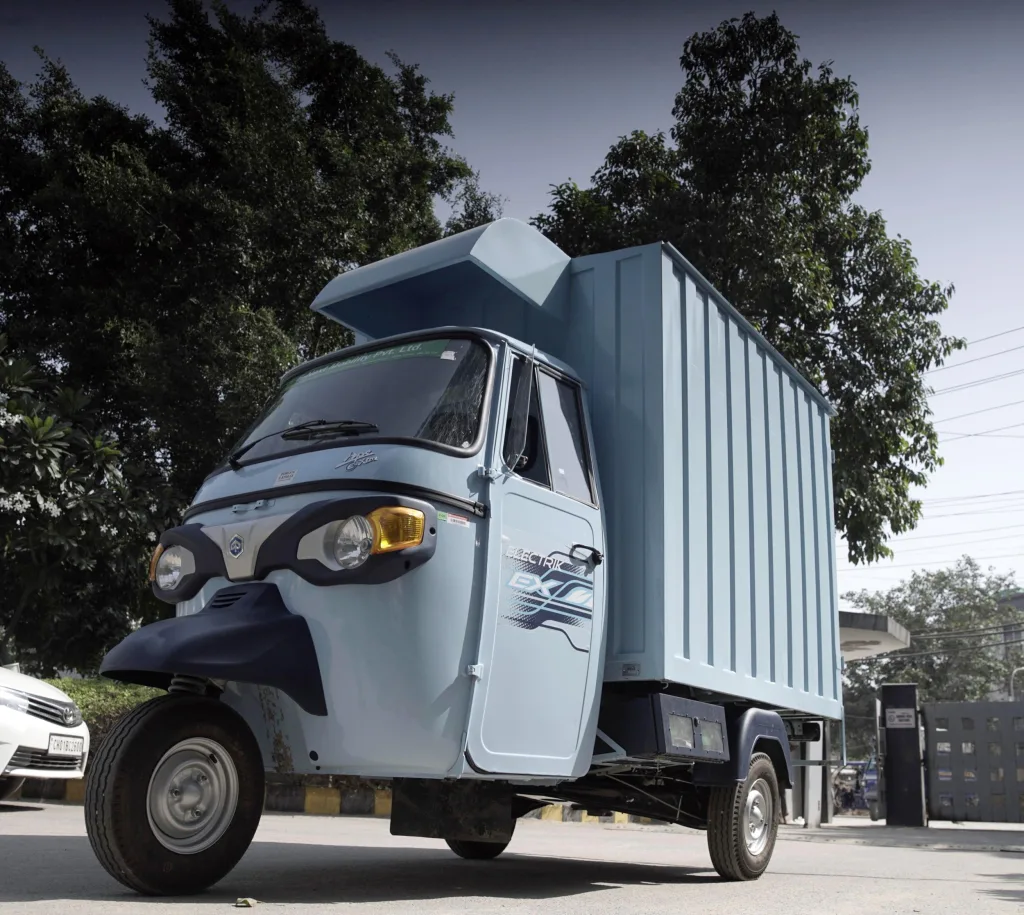
For drivers like Ramesh in Delhi or Sunita in Lucknow, electric three-wheelers have been life-changing. Lower operating costs mean more take-home income.
The quiet, emission-free ride is appreciated by both drivers and passengers. And with government support, many have been able to upgrade from traditional rickshaws to modern, efficient e-autos, improving their livelihoods and contributing to a cleaner city.

