


Maharashtra’s new EV policy offers 10% subsidies, toll waivers, and mandatory charging infrastructure — everything you need to know about the state’s electric vehicle revolution in 2025.
Table of Contents
Key Highlights of Maharashtra’s 2025 EV Policy
In a groundbreaking announcement that has sent ripples through the automotive world, the Maharashtra state cabinet has approved a comprehensive new electric vehicle policy. Chief Minister Devendra Fadnavis unveiled the decision on Tuesday, describing it as a “key step towards sustainable mobility” for the state.
Unlike previous iterations that primarily focused on two and three-wheelers, this ambitious policy now extends its benefits to buses and other heavy vehicles, signaling Maharashtra’s commitment to electrifying all segments of transportation.
The policy arrives at a critical time when India is pushing aggressively toward electric mobility, with Maharashtra positioning itself as a leader in this transition.
Financial Incentives for EV Buyers
The new policy introduces substantial financial benefits that make electric vehicles more accessible to residents of Maharashtra:
| Incentive Type | Details | Eligibility |
|---|---|---|
| Purchase Subsidy | 10% of total EV cost | All electric vehicles |
| Financing | 100% loan facilities | EV purchasers |
| Toll Exemptions | Complete waiver at designated plazas | Buses and heavy vehicles |
| Registration Fees | Significant reductions | All electric vehicles |
“We’re creating a comprehensive ecosystem that makes it financially viable for citizens to transition to electric vehicles,” said Transport Minister Pratap Sarnaik in a recent statement to the press.
Infrastructure Development Plans
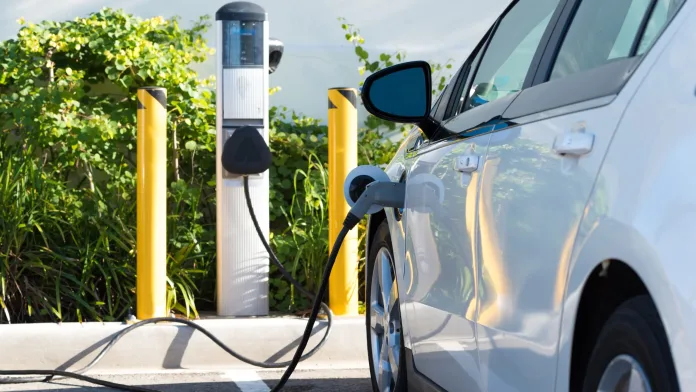
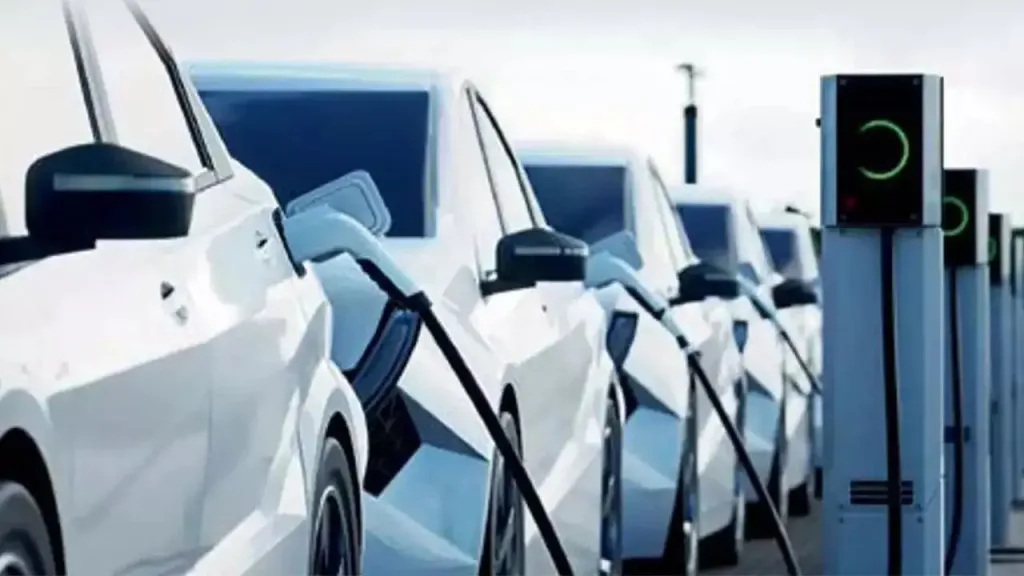
The policy doesn’t just focus on vehicle purchases – it creates a robust framework for developing the necessary supporting infrastructure. Strategic placement of charging stations throughout urban and highway corridors will be prioritized, while 1% of annual municipal corporation budgets will be dedicated to EV infrastructure.
Battery manufacturing support through incentives for companies producing within Maharashtra forms another critical component of the policy. The government has also established a framework for public-private partnerships to accelerate charging infrastructure development.
Impact on Different Vehicle Categories
This policy marks the first time Maharashtra has included larger vehicles in its EV incentive structure. Two and three-wheelers continue to receive purchase incentives and registration benefits, building on previous policy success.
Buses and heavy vehicles will now enjoy complete toll exemptions at designated plazas across the state, making commercial EV operations significantly more cost-effective. Taxi services and delivery fleets converting to electric receive additional benefits, including preferential lanes and parking in urban centers.
Requirements for Housing Developers
In a move that addresses one of the biggest hurdles to EV adoption – charging infrastructure – the state is implementing new regulations for residential developments:
“We are looking at making it mandatory for new societies to have EV charging stations — without which occupancy certificates may not be issued,” explained Transport Minister Pratap Sarnaik.
For existing residential complexes, the government has developed a facilitation mechanism where local representatives (MLAs, MPs, and councillors) will help coordinate the installation of charging units.
Maharashtra’s Larger Infrastructure Vision
The EV policy is part of Maharashtra’s broader infrastructure push, with up to $100 billion in financing expected to be secured in the coming months. Speaking at the IMEC Summit 2025, CM Fadnavis emphasized how these investments will position Maharashtra as a key logistics and manufacturing hub.
This comprehensive approach ensures that the EV ecosystem will be supported by world-class roads, energy infrastructure, and smart city initiatives – creating a multiplier effect for the state’s economic growth.

