

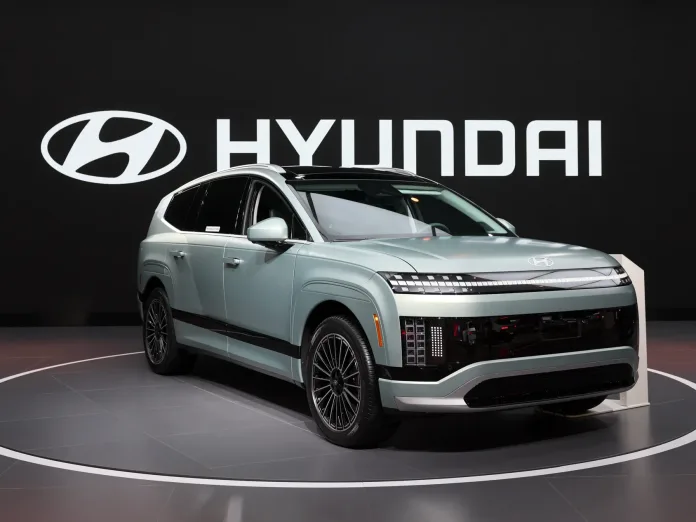

In a landscape dominated by traditional combustion engines, Hyundai Motor India is making a decisive pivot toward electrification with an ambitious roadmap that could reshape India’s automotive future. As the country’s electric vehicle market gains momentum, Hyundai is positioning itself at the forefront of this transformation with plans to launch six new electric models by 2030, backed by significant investments in charging infrastructure and localized manufacturing.
This strategic shift comes at a critical time when India’s EV market penetration is expected to grow from the current 3.4% to approximately 13-14% by the end of the decade, presenting both challenges and opportunities for established automakers.
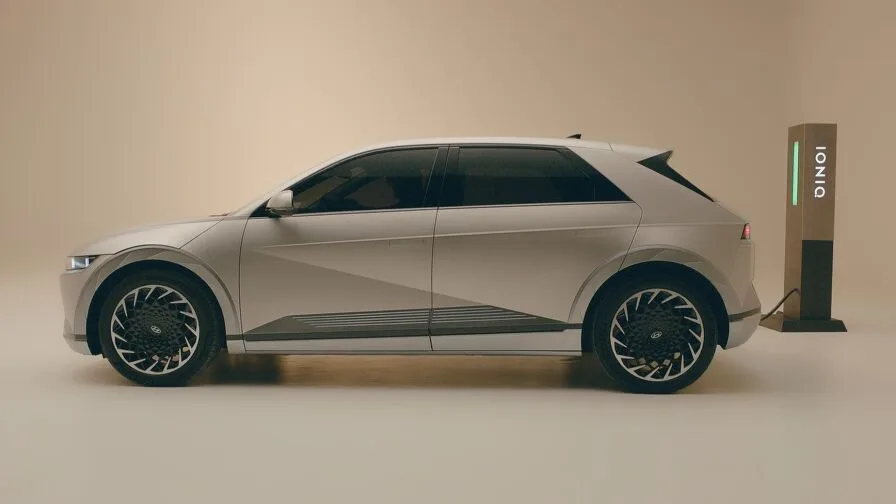
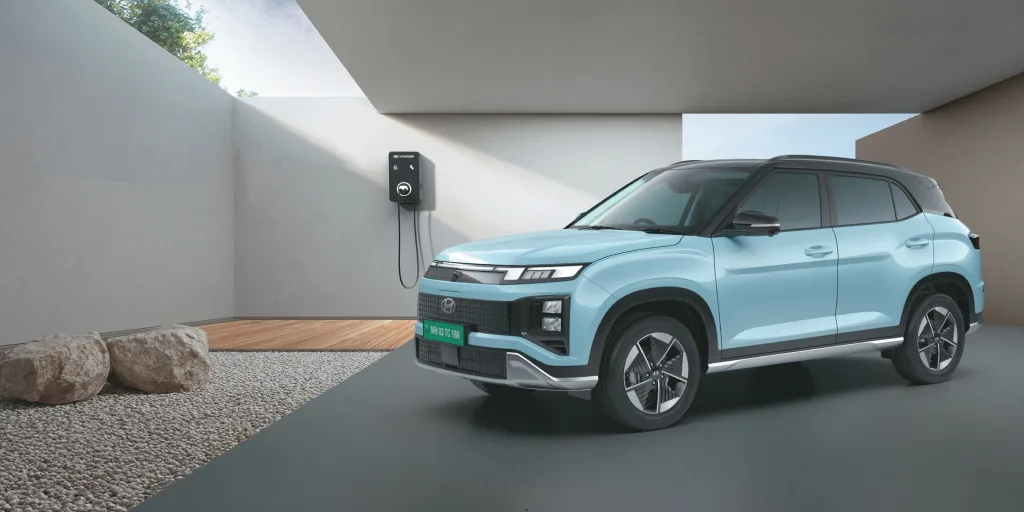
Hyundai’s electric journey in India began with the premium IONIQ 5 in 2023, followed by the more accessible Creta Electric in January 2025. While electric vehicles currently account for just 1% of Hyundai’s total sales portfolio with 3,969 EVs sold in FY25, the company is witnessing encouraging signs of growing consumer interest.
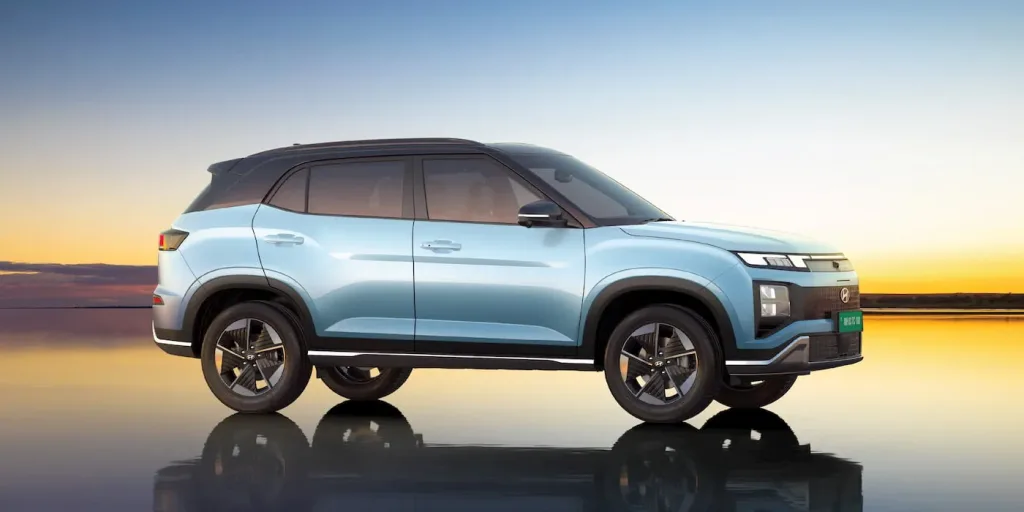
The Creta Electric, leveraging the popularity of its combustion counterpart, has already achieved monthly sales of approximately 1,000 units. This early success has emboldened Hyundai to accelerate its electrification plans, with a comprehensive strategy that addresses product development, supply chain localization, and charging infrastructure expansion – the three critical pillars for sustainable EV growth in a price-sensitive market like India.
Hyundai’s Multi-Pronged EV Strategy for India
Hyundai’s approach to electrification in India is comprehensive and forward-looking, addressing the key challenges that have historically hindered EV adoption in the country. The company’s strategy is built on three fundamental pillars:
Expanding the Electric Portfolio
At the heart of Hyundai’s EV strategy is a diverse product lineup that will span multiple segments and price points. The company has announced plans to launch six new electric vehicles by 2030, as part of a broader initiative that includes 26 new model launches (20 ICE vehicles and 6 EVs).
“We are set to accelerate our presence in the EV market, building on the strong foundation laid in FY25 with the launch of the Creta Electric,” said Unsoo Kim, MD, Hyundai Motor India, highlighting the positive customer response to their first mass-market EV.
While specific details about the upcoming models remain under wraps, Hyundai has indicated that it sees opportunities across various segments, including below the Creta segment. This suggests that more affordable electric options could be in the pipeline, potentially addressing one of the biggest barriers to EV adoption in India – high upfront costs.
Localizing the Supply Chain
Recognizing that price competitiveness is crucial for mass EV adoption in India, Hyundai is making significant strides in localizing its EV supply chain. The company has already localized battery system assembly (BSA) and is exploring cell-level localization with an Indian partner.
“EV prices have to come down, and for that, localization is essential. Battery packs have already given us some impetus, and cell localization, going forward, should provide another advantage,” explained Tarun Garg, COO of Hyundai Motor India.
Over the past five years, Hyundai has localized more than 1,200 components to strengthen its supply chain ecosystem, aligning with the Government of India’s Make in India vision. This approach not only helps reduce costs but also leverages India’s engineering talent and manufacturing capabilities.
Expanding Charging Infrastructure
Perhaps the most significant shift in Hyundai’s strategy is its approach to charging infrastructure. While earlier efforts focused on AC chargers, the company is now prioritizing DC fast-charging stations, especially along highways, to address range anxiety – a primary concern for potential EV buyers.
“Customers are happy with home charging, but there’s anxiety about highway travel. That’s where we’re stepping in with fast-charging stations,” noted Garg.
Hyundai plans to install 600 fast-charging stations throughout India by 2031, up from the current 89 operational DC chargers. This significant expansion of charging infrastructure is designed to alleviate range anxiety and make EVs more practical for long-distance travel.
| Hyundai’s EV Strategy Components | Current Status | 2030-31 Target |
|---|---|---|
| EV Models in Portfolio | 2 (IONIQ 5, Creta Electric) | 8 (with 6 new launches) |
| EV Sales Contribution | 1% of total sales | Significant increase expected |
| Fast-Charging Stations | 89 DC chargers operational | 600 stations nationwide |
| Market EV Penetration | 3.4% (up from 2.4% pre-Creta EV) | 13-14% projected |
| Supply Chain Localization | Battery system assembly | Cell-level localization planned |
Market Outlook and Competitive Landscape
Hyundai’s aggressive EV push comes at a time when the Indian electric vehicle market is becoming increasingly competitive. Domestic players like Tata Motors and Mahindra have established early leads, with Tata dominating the passenger EV segment and Mahindra preparing to launch its BE and XEV range of electric SUVs.
In February 2025, Hyundai ceded its position as India’s second-largest automaker by domestic sales to Mahindra & Mahindra, highlighting the intensifying competition in the market.
However, Hyundai’s nearly three-decade-long presence in India, coupled with its strong brand recognition and extensive dealer network, provides it with significant advantages. The company’s Indian unit, which went public in October 2024 with a $3.3 billion IPO (India’s largest ever), contributes around 15% to the parent company’s global sales by volume.
While EVs are becoming more popular, ICE SUVs still drive Hyundai’s sales in India. The Hyundai Creta was the top-selling passenger vehicle in March 2025, with 18,059 units sold, and the model has increased sales by 20% year-on-year for FY24. Hyundai’s overall SUV penetration is currently at 68.5% and is expected to exceed 70% in FY25.
“The prime focus will definitely be on SUVs, as we have clearly seen a strong customer preference for them. EVs are also slowly catching up, and we have a robust localization plan that will further support the introduction of these EVs,” said Garg, outlining the company’s dual focus on SUVs and electric vehicles.
Challenges and Opportunities
Despite the promising outlook, Hyundai faces several challenges in its EV journey in India. The company’s shares have declined 13% since its IPO, and it reported a dip in sales and an 18% drop in net profit for the third quarter ended December 2024.
Additionally, while interest in EVs has grown significantly over the past year, charging infrastructure and range anxiety remain key barriers to adoption. “Compared to 12 months ago, there’s been a dramatic shift in customer interest, and traction is clearly increasing. The tailwinds are strong, but the headwinds around charging infrastructure and user anxiety persist,” acknowledged Garg source.
However, these challenges also present opportunities for innovation and differentiation. By addressing the core concerns of potential EV buyers – range anxiety, charging infrastructure, and affordability – Hyundai has the potential to capture a significant share of India’s growing electric vehicle market.
Also Read: Royal Enfield Electric Bikes to Arrive in 2026
Frequently Asked Questions
How does Hyundai plan to address the high cost of electric vehicles in India?
Hyundai is implementing a comprehensive localization strategy to reduce EV costs in India. The company has already localized battery system assembly and is exploring cell-level localization with an Indian partner. Over the past five years, Hyundai has localized more than 1,200 components to strengthen its supply chain ecosystem. This approach not only helps reduce manufacturing costs but also aligns with the Government of India’s Make in India vision, potentially making EVs more affordable for Indian consumers.
Will Hyundai’s electric vehicles be suitable for long-distance travel in India?
Hyundai is directly addressing range anxiety – a major concern for long-distance travel – through a significant expansion of its charging infrastructure. The company plans to install 600 fast-charging stations throughout India by 2031, focusing particularly on highway corridors. Currently, 89 DC fast chargers are already operational. Additionally, Hyundai’s upcoming EVs are expected to offer improved range capabilities, making them more practical for intercity travel. The Creta Electric already offers competitive range, and future models are likely to build on this foundation.

