

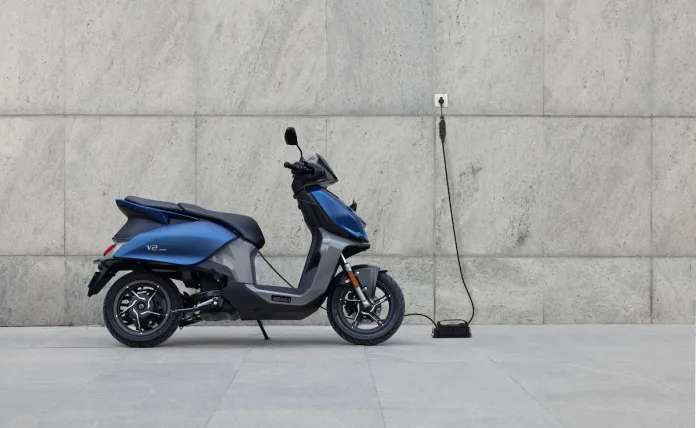

Hero MotoCorp, India’s largest two-wheeler manufacturer, is betting big on electric vehicles with CEO Niranjan Gupta confidently predicting the EV division will achieve break-even within the next two years. This bold projection comes as the company aggressively expands its electric portfolio to challenge rivals like Ola Electric and Bajaj.
Having dominated the internal combustion engine (ICE) market for decades with iconic models like the Splendor, Hero now faces its toughest transition yet – electrifying its business while maintaining market leadership.
The company’s recent launches, including the Vida V1 electric scooter, mark just the beginning of a broader EV offensive. With plans to introduce multiple affordable models and leverage its vast dealership network, Hero aims to capture a significant share of India’s rapidly growing electric two-wheeler market.
Gupta’s break-even timeline suggests the company has cracked the code on EV profitability sooner than expected, potentially reshaping the competitive landscape. This article explores Hero’s electric roadmap, the challenges ahead, and what this means for India’s EV revolution.
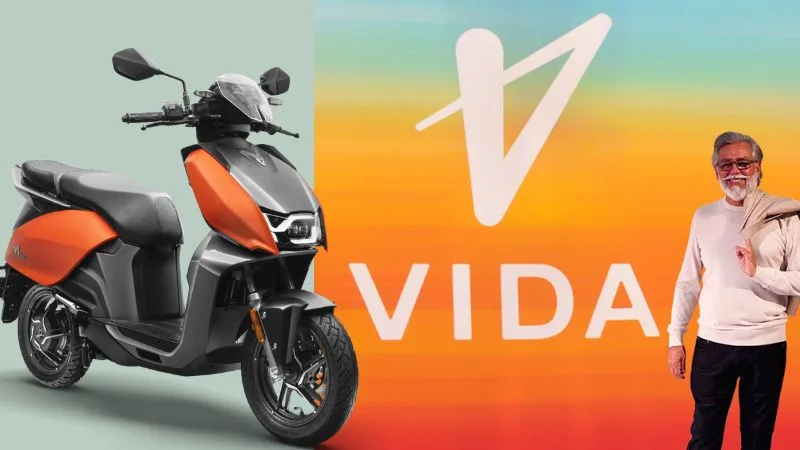
From ICE King to EV Contender: Hero MotoCorp’s Electric Transformation
Hero MotoCorp’s journey into electric mobility represents one of the most significant transitions in India’s automotive history. The company that sold over 5 million conventional two-wheelers last year is now reinventing itself for the electric age. Unlike startups that began with clean slates, Hero must balance its legacy ICE business with the demands of building a new electric ecosystem. This delicate balancing act makes Gupta’s break-even prediction particularly noteworthy.
Hero MotoCorp’s EV strategy focuses on three key pillars: product diversification, localized manufacturing, and leveraging its unparalleled distribution network. Hero’s electric subsidiary, Vida, recently launched the V1 Pro and V1 Plus scooters, positioned as premium offerings with ranges up to 165 km. However, the real game-changer will be the upcoming mass-market models priced below ₹1 lakh, directly targeting the heart of India’s two-wheeler market. By utilizing its existing supplier relationships and manufacturing expertise, Hero aims to achieve cost efficiencies that have eluded many EV startups.
The Path to Profitability: How Hero MotoCorp Plans to Make EVs Viable
Achieving break-even in the capital-intensive EV business within two years requires meticulous planning and execution. Hero’s approach combines prudent financial management with strategic partnerships. The company has invested heavily in vertical integration, developing critical components like battery packs and motors in-house to reduce dependence on suppliers. This not only improves margins but also ensures better quality control – a crucial factor given recent concerns about EV safety in India.
Another key advantage is Hero’s vast dealership network of over 6,000 touchpoints across the country. Unlike pure-play EV companies that must build their sales and service infrastructure from scratch, Hero can rapidly scale its electric offerings through existing channels. The company is currently training thousands of mechanics at its Hero Skill Centers to service both ICE and electric vehicles, creating a unique hybrid support system.
Financial analysts point to Hero MotoCorp’s conservative approach to spending as another factor in its projected profitability. While competitors have burned through cash with aggressive marketing and discounting, Hero has focused on sustainable growth. The company’s strong balance sheet and consistent cash flows from its conventional business provide a cushion that most EV startups lack.
Market Dynamics: Hero MotoCorp’s Position in India’s EV Landscape
| Parameter | Hero MotoCorp | Ola Electric | Bajaj Auto |
|---|---|---|---|
| EV Market Share | 5% (2024) | 35% | 15% |
| Price Range | ₹1.25-1.45 lakh | ₹85,000-1.47 lakh | ₹1.15-1.55 lakh |
| Charging Network | Partner stations | Hyperchargers | Dealer network |
| Annual Capacity | 100,000 units | 1 million units | 500,000 units |
The table reveals Hero MotoCorp’s current challenges in catching up with market leader Ola Electric, but also highlights its potential advantages. While Ola dominates in terms of volume and brand recall among younger buyers, Hero MotoCorp’s strengths lie in its trusted brand image and unparalleled rural penetration. The coming year will be critical as Hero rolls out more affordable models and expands production capacity at its Chittoor facility in Andhra Pradesh.

Challenges on the Road to Electric Dominance
Despite the optimistic projections, Hero faces significant hurdles in its EV journey. Consumer perception remains a key challenge – many potential buyers still associate Hero primarily with budget commuter bikes rather than cutting-edge electric vehicles. The company must overcome this mindset while convincing its traditional customer base to make the electric switch.
Supply chain complexities present another obstacle. While Hero has strong supplier relationships for conventional vehicles, EV components require different expertise. The global shortage of semiconductors and fluctuating lithium prices could impact production timelines and margins. Additionally, the company must navigate evolving government policies, including potential changes to FAME subsidies that currently make EVs more affordable.
Perhaps the biggest test will be maintaining profitability while competing on price. The entry-level EV segment is becoming increasingly crowded, with multiple players vying for market share through aggressive pricing. Hero’s ability to leverage economies of scale while maintaining quality will determine whether it can deliver on Gupta’s break-even promise.
Also Read: CATL Raises $4B in Hong Kong IPO
FAQs: Understanding Hero MotoCorp’s EV Strategy
Q: What models is Hero MotoCorp planning to launch in the EV space?
A: Beyond the existing Vida V1 series, Hero MotoCorp will introduce an affordable electric scooter priced around ₹85,000 and an electric motorcycle by 2025. The company is also developing electric three-wheelers for commercial applications.
Q: How does Hero MotoCorp plan to address range anxiety among potential EV buyers?
A: Hero MotoCorp is implementing a dual strategy: improving battery technology for longer range (targeting 200 km per charge) while simultaneously expanding fast-charging infrastructure through partnerships with oil marketing companies.
The Road Ahead: What Break-Even Means for India’s EV Market
If Hero MotoCorp achieves its projected break-even within two years, it could trigger a major shift in India’s electric vehicle landscape. Success would validate the company’s measured approach to electrification and potentially force competitors to rethink their strategies. More importantly, it could accelerate overall EV adoption by proving that electric two-wheelers can be both environmentally sustainable and financially viable.
The coming months will see Hero intensify its EV push with new launches, marketing campaigns, and infrastructure investments. As Gupta noted in a recent interview, “We’re not just building electric vehicles; we’re building an electric ecosystem.” This holistic approach, combining products, services, and customer education, might just be the formula that helps India’s two-wheeler giant maintain its dominance in the electric era.
Would you like me to expand on any particular aspect of Hero’s EV strategy or provide more detailed comparisons with competitors? I can also include insights from recent dealer surveys or consumer sentiment analysis if that would be valuable.

