

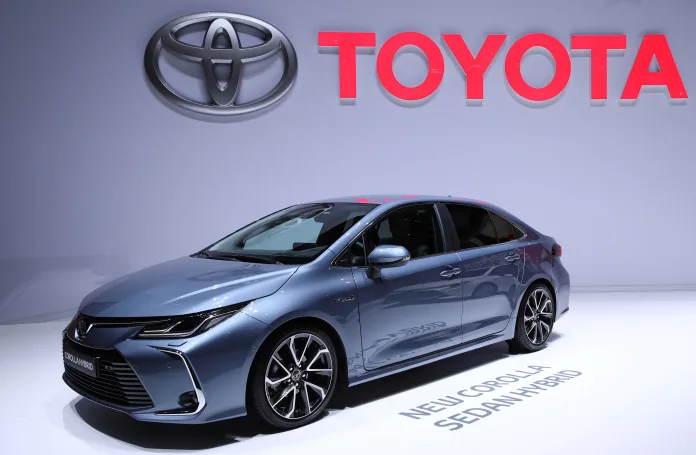

In the rapidly evolving landscape of India’s automotive industry, one name stands out as the undisputed leader in the strong hybrid segment: Toyota. With an impressive 80% market share in strong hybrid cars and SUVs, Toyota India is not just setting benchmarks—it’s rewriting the rules of green mobility for the entire nation.
The Rise of Strong Hybrids in India
As India accelerates its transition towards cleaner and more efficient vehicles, strong hybrids have emerged as a compelling choice for eco-conscious drivers. Unlike mild hybrids, strong hybrids can run on electric power alone for short distances, offering significant fuel savings and lower emissions. This technology bridges the gap between conventional internal combustion engines and fully electric vehicles, making it an ideal solution for Indian roads where charging infrastructure is still developing.
How Toyota Became the Hybrid King
The company’s dominance in the strong hybrid market didn’t happen overnight. The company’s global expertise in hybrid technology, honed over decades with models like the Prius, has given it a significant edge in India. By localizing production, investing in awareness campaigns, and offering a diverse lineup of hybrid vehicles, the company has captured the imagination—and wallets—of Indian consumers.
Key Models Driving Toyota’s Success
| Toyota Model | Segment | Key Features | Mileage (km/l) |
|---|---|---|---|
| Innova HyCross | MPV/SUV | 2.0L strong hybrid, spacious, premium | 23.24 |
| Urban Cruiser Hyryder | Compact SUV | E-Four AWD, advanced safety, tech | 27.97 |
| Camry Hybrid | Sedan | 2.5L hybrid, luxury, comfort | 22.8 |
| Vellfire | Luxury MPV | 2.5L hybrid, opulent interiors | 19.28 |
These models have not only set new standards for fuel efficiency but have also redefined what Indian buyers expect from a premium, eco-friendly vehicle.
Why Indian Buyers Prefer Toyota Hybrids
Several factors have contributed to Toyota’s overwhelming success in the strong hybrid segment:
- Proven Reliability: The company’s reputation for building durable, low-maintenance vehicles extends to its hybrid lineup.
- Fuel Efficiency: With petrol prices on the rise, hybrids offer significant savings at the pump.
- Smooth Driving Experience: The seamless transition between electric and petrol power delivers a refined, quiet ride.
- Government Incentives: Lower taxes and registration fees for hybrids in some states make them more attractive.
- Resale Value: Toyota hybrids retain their value better than many competitors, thanks to strong demand and brand trust.
The Competition: Can Anyone Catch Up?
While other automakers like Maruti Suzuki, Honda, and Hyundai have begun introducing their own strong hybrid models, none have come close to matching Toyota’s scale or consumer trust. Maruti Suzuki’s Grand Vitara and Honda’s City e:HEV are notable contenders, but Toyota’s early mover advantage and robust dealer network keep it firmly in the lead.
Market Share Table: Strong Hybrid Cars & SUVs in India (2025)
| Brand | Market Share (%) | Popular Models |
|---|---|---|
| Toyota | 80 | Innova HyCross, Hyryder, Camry |
| Maruti Suzuki | 12 | Grand Vitara Hybrid |
| Honda | 5 | City e:HEV |
| Hyundai | 2 | Ioniq Hybrid (import) |
| Others | 1 | – |
Toyota’s Vision for a Greener India
The company’s commitment goes beyond just selling cars. The company is actively investing in local manufacturing, battery recycling, and skill development to support India’s green mobility goals. With plans to expand its hybrid portfolio and introduce more affordable models, Toyota aims to make strong hybrids accessible to a broader segment of Indian buyers.
Also Read: Ferrari’s First EV to Go on Sale October 2026
Frequently Asked Questions (FAQs)
Q1: What is a strong hybrid car?
A strong hybrid can run on electric power alone for short distances and seamlessly switches between petrol and electric modes for optimal efficiency.
Q2: Why does the company dominate the hybrid market in India?
The company’s early entry, proven technology, and strong brand trust have helped it capture 80% of the strong hybrid segment.
Q3: Are Toyota hybrids expensive to maintain?
No, the company hybrids are known for their reliability and low maintenance costs, similar to their petrol counterparts.
Q4: How do Toyota hybrids compare to EVs?
Hybrids offer the benefits of electric driving without range anxiety, making them ideal for Indian conditions where charging infrastructure is still growing.
Q5: What’s next for the company’s hybrid lineup in India?
The company plans to launch more hybrid models, including compact and affordable options, to further strengthen its leadership.
Toyota India’s commanding 80% share of the strong hybrid car and SUV market is a testament to its vision, innovation, and unwavering commitment to sustainability. As the nation moves towards a greener future, the company’s hybrids are not just leading the way—they’re defining it.

