

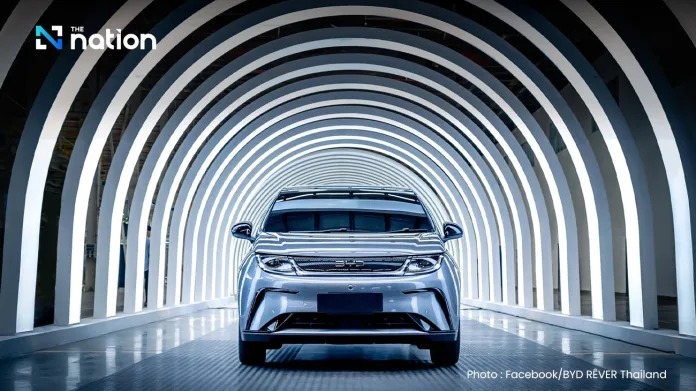

Explore how China’s EV revolution is transforming the automotive industry with cutthroat competition that drives innovation but squeezes profit margins for even the biggest players.
Table of Contents
The Brutal Reality of China’s EV Market: Innovation at the Cost of Profit
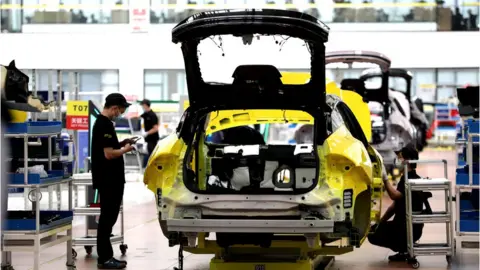
Are you ready to dive into the world’s most competitive electric vehicle market? China’s EV revolution is reshaping the global automotive landscape, but behind the sleek designs and cutting-edge technology lies a brutal truth: most companies aren’t making money.
As Chinese EV makers showcase their latest innovations at the Shanghai auto show, the industry faces a critical question: How can explosive innovation and sales translate into sustainable profits?
A Hypercompetitive Landscape
The competition in China’s EV market is unlike anything seen elsewhere. With 169 brands competing for consumer attention and only 14 holding more than 2% market share, the battlefield is crowded and unforgiving. Chinese consumers can now choose from 327 different EV models (excluding hybrids) – a number that continues to grow monthly.
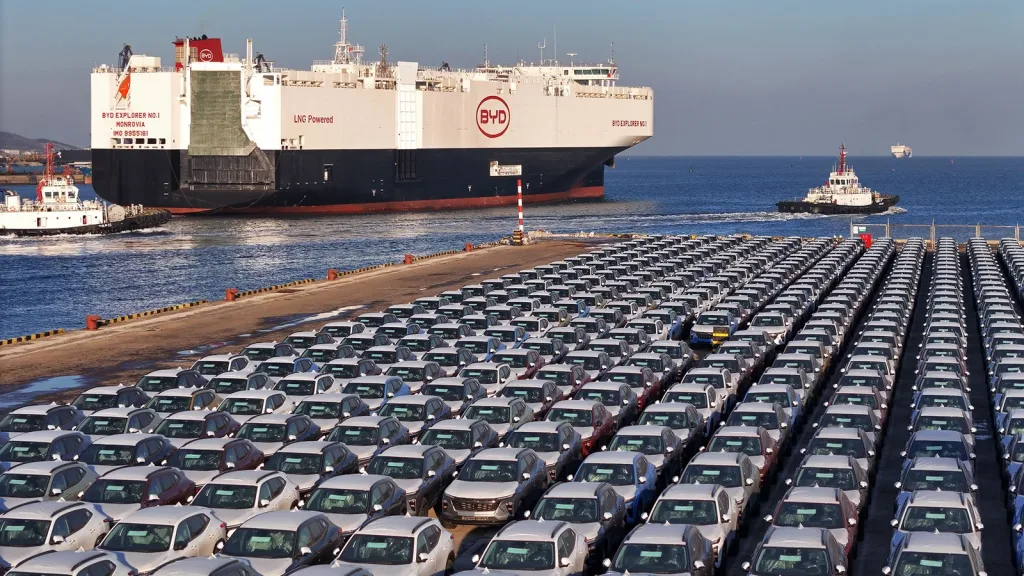
BYD, China’s EV champion, has seen its vehicle sales soar to 4.2 million in 2023 – a sevenfold increase from 2020. Meanwhile, competitors like Xpeng sold approximately 190,000 vehicles last year while continuing to post significant losses.
The price competition is equally fierce. While Tesla struggles to produce EVs under $30,000 in the US, Chinese consumers can purchase BYD’s Seagull hatchback for less than $10,000.
The Few Winners in a Sea of Competitors
In this cutthroat environment, only a handful of companies have found the path to profitability:
BYD leads the pack with record profits of $5.5 billion on revenues of nearly $107 billion, driven by massive sales volumes and vertical integration. Traditional automakers like Chery and Geely have leveraged their existing gasoline vehicle businesses to support their transition to EVs.
Some companies have carved out profitable niches – Li Auto focuses on premium extended-range hybrids, while Leapmotor targets the lower-cost segment with shared vehicle platforms.
Xpeng CEO He Xiaopeng offers a stark prediction about the industry’s future: “Only 10 will survive” from the current field of competitors.
Global Expansion as a Survival Strategy
“You have to possess capabilities in AI, in software, in technology and in manufacturing,” says Xpeng President Brian Gu. “The players that can possess this full-stack capability will have a greater chance of survival.”
For companies like Xpeng, the domestic market’s price pressure has led to aggressive global expansion plans. Xpeng entered 30 new markets in 2024 and aims to enter another 30 countries this year, targeting Europe, Southeast Asia, the Middle East, and Latin America.
The conspicuous absence from this expansion list? The United States, where trade tensions with China have effectively blocked Chinese EVs.
Beyond Price: The Technology Battlefield
As price competition intensifies, Chinese EV makers are shifting from “electrification” to “smartification” – competing on AI-driven technology and features rather than just cost.
Xpeng exemplifies this approach with its upscale X9 minivan priced from 359,800 yuan ($49,231), featuring advanced automated-driving capabilities, entertainment systems, and luxury touches. The company recently announced plans to equip its vehicles with its own AI chips, highlighting the industry’s move toward becoming full-fledged technology companies.
“The price war isn’t a good thing for industry profitability,” says Bo Yu, a China-market expert at research firm Jato Dynamics. “But it isn’t a bad thing, either, because it drives innovation.”
This paradox defines China’s EV revolution: the same competitive forces that squeeze profits are driving unprecedented technological advancement and affordability. As industry experts note, “Chinese firms have the best automotive connected technology in the world.”
Global Implications
The implications extend far beyond China’s borders. Volkswagen’s 5% investment in Xpeng reflects a growing recognition that traditional automakers need Chinese innovation to remain competitive globally.
Meanwhile, protectionist measures in markets like the United States may provide temporary relief for domestic manufacturers but risk cutting them off from the world’s most advanced automotive technology ecosystem.
The Road Ahead
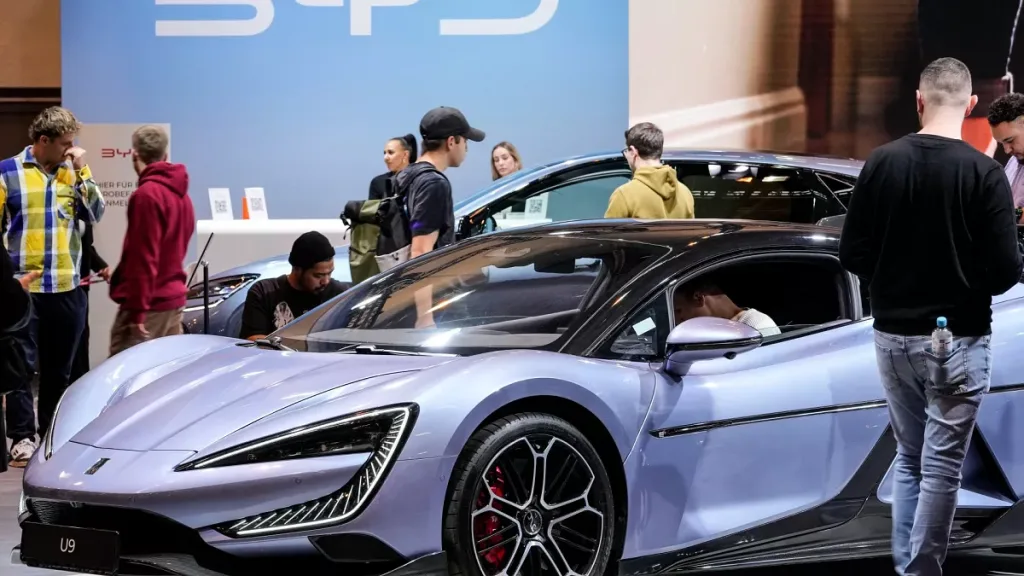
As the dust settles on this revolutionary period, the winners will likely be those who can balance technological ambition with financial discipline. For now, China’s EV revolution continues to prioritize innovation and market share over immediate profits – a strategy that has transformed the country from automotive follower to undisputed leader in just a decade.
While consumers benefit from this competition through lower prices and accelerated innovation, investors and industry executives face a challenging question: When will this technological arms race translate into sustainable profits for more than just a handful of companies?
The answer may shape not just the future of China’s automotive industry, but the global transition to electric vehicles.

