

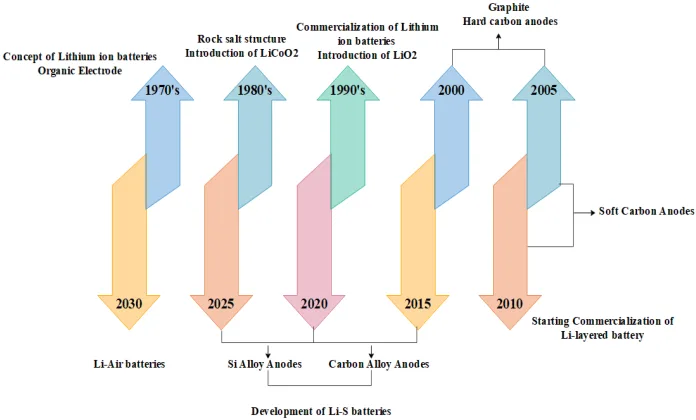

India’s electric vehicle (EV) landscape is undergoing a significant transformation, driven by a crucial factor: the declining cost of lithium batteries. This shift is not just a minor fluctuation in market dynamics; it’s a game-changing development that promises to reshape the future of transportation in the world’s second-most populous nation.
Impact of Falling Lithium Battery Prices on EV Sector India
The EV sector India is experiencing a surge of optimism, largely due to the downward trend in lithium battery prices. This cost reduction is the key to making electric vehicles more accessible to the average Indian consumer. According to recent industry reports, the price of lithium-ion batteries has fallen by over 80% in the last decade, with further decreases expected in the coming years.
| Year | Average Battery Pack Price (USD/kWh) |
|---|---|
| 2010 | 1,100 |
| 2015 | 350 |
| 2020 | 137 |
| 2023 | 105 (estimated) |
This dramatic price drop has a direct impact on the overall cost of electric vehicles. As batteries typically account for 30-40% of an EV’s total cost, the reduction in battery prices translates to more affordable electric cars, two-wheelers, and commercial vehicles.
Union Minister Nitin Gadkari, a vocal advocate for electric mobility, recently highlighted this trend. He stated, “The decreasing cost of lithium batteries is a positive sign for our EV sector. It will boost the adoption of electric vehicles across various segments, from personal cars to public transportation.”
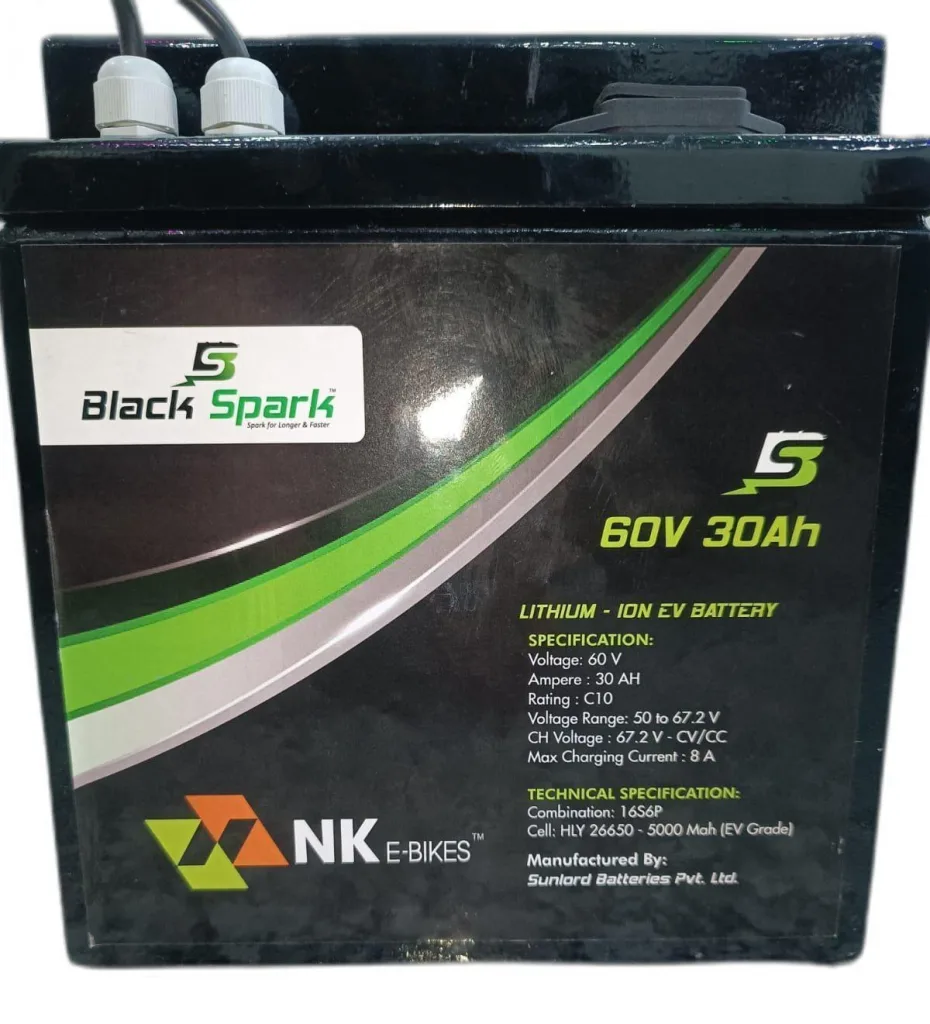
EV Sector India: Adoption Trends and Challenges
The market for electric vehicles India is expanding, with both domestic and international manufacturers entering the space. This growth is evident in the increasing number of EV models available to Indian consumers and the rising sales figures across different vehicle categories.
However, the journey towards widespread EV adoption is not without its challenges. Range anxiety, the fear of running out of battery charge during a journey, remains a concern for many potential buyers. Additionally, the need for a more robust charging infrastructure is crucial for supporting the growing number of EVs on Indian roads.
To address these challenges, both the government and private sector are taking proactive steps:
- Expanding charging networks in urban areas and along highways
- Investing in battery swapping technology for quicker “refueling”
- Developing batteries with higher energy density for improved range
- Promoting domestic manufacturing of EVs and components to reduce costs

Accelerating EV Adoption: Government Initiatives and Policies
The Indian government has recognized the potential of electric mobility in addressing environmental concerns and reducing the country’s dependence on fossil fuel imports. Several initiatives have been launched to accelerate EV adoption:
- FAME II Scheme: The Faster Adoption and Manufacturing of (Hybrid &) Electric Vehicles in India (FAME India) scheme provides incentives for EV purchases and supports the development of charging infrastructure.
- Production Linked Incentive (PLI) Scheme: This initiative aims to boost domestic manufacturing of advanced automotive technology products, including EVs and their components.
- State-level EV Policies: Many Indian states have introduced their own EV policies, offering additional incentives and benefits to EV buyers and manufacturers.
- GST Reduction: The government has lowered the Goods and Services Tax (GST) on electric vehicles from 12% to 5%, making them more attractive to consumers.
These policies, combined with the falling lithium battery prices, are creating a favorable environment for the growth of the EV sector India.
Advancements in Battery Technology Driving EV Innovation
The EV revolution is not just about cheaper batteries; it’s also about better ones. Advancements in battery technology are extending the range and performance of electric vehicles in India. Researchers and manufacturers are working on several fronts:
- Solid-state batteries: These promise higher energy density, faster charging, and improved safety compared to current lithium-ion batteries.
- Silicon anodes: Incorporating silicon into battery anodes can significantly increase their capacity and charging speed.
- Recycling and second-life applications: Developing efficient recycling processes and finding new uses for old EV batteries can help reduce costs and environmental impact.
- Thermal management: Improving battery cooling systems to enhance performance and longevity, especially in India’s hot climate.
These technological advancements, coupled with decreasing costs, are making EVs an increasingly attractive option for Indian consumers.
The Road Ahead: Opportunities and Challenges
As the EV sector India continues to evolve, it presents both exciting opportunities and significant challenges:
Opportunities:
- Job creation in manufacturing, charging infrastructure, and related services
- Potential for India to become a global EV manufacturing hub
- Improved air quality in urban areas
- Reduced dependence on oil imports
Challenges:
- Ensuring a stable supply of raw materials for battery production
- Developing a skilled workforce for the EV industry
- Balancing grid load as EV charging demand increases
- Addressing the environmental impact of battery production and disposal
Conclusion
The declining lithium battery prices are indeed a catalyst for growth in India’s EV sector. This trend, combined with supportive government policies and technological advancements, is paving the way for a cleaner, more sustainable transportation future. As the country moves towards its goal of 30% EV penetration by 2030, the coming years promise to be transformative for India’s mobility landscape.
For consumers, industry players, and policymakers alike, staying informed about these developments will be crucial in navigating the electric future of transportation in India.
Read more- Switching to an EV Has Never Been Easier – This One Drives Just Like a Petrol Car

