



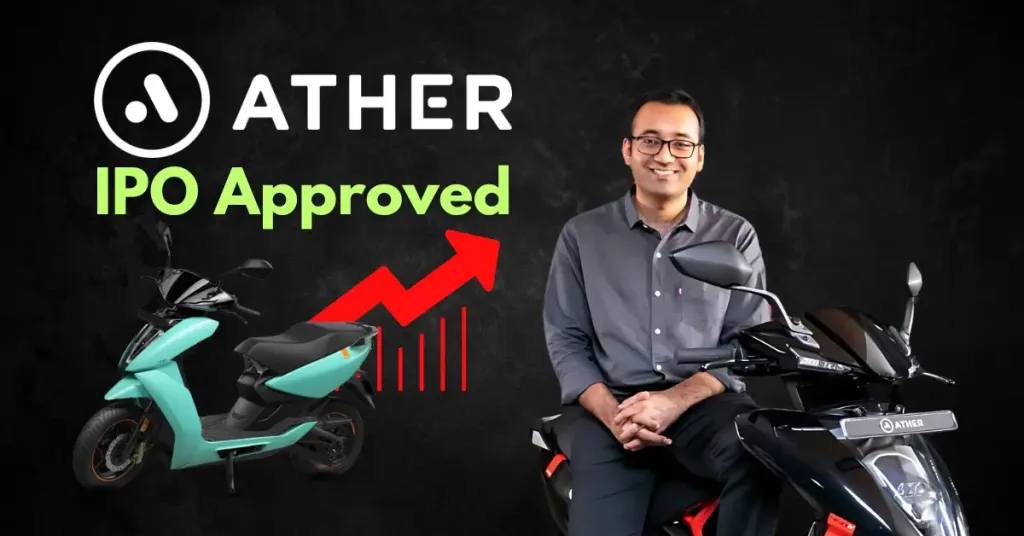
In a development that has sent shockwaves through India’s electric vehicle ecosystem, Ather Energy has dramatically scaled back its IPO ambitions, repeatedly slashing its valuation target in what industry observers are calling a moment of reckoning for the sector. Once poised to debut at a lofty $2.5 billion valuation, Ather is now reportedly targeting a more modest $1.5-1.6 billion—a figure barely above its last private valuation of $1.3 billion secured in August 2024.
Are you ready to confront the sobering reality behind India’s electric mobility revolution? This valuation retreat isn’t happening in isolation but against a backdrop of mounting troubles at other high-profile EV startups, raising fundamental questions about the sector’s immediate prospects.
“What if there’s more than what’s known to the public?” asked startup analyst Jayant Mundhra in a widely circulated LinkedIn post that first drew attention to Ather’s shifting IPO narrative. His pointed question strikes at the heart of growing skepticism about the gap between EV hype and financial reality.
A Pattern of Declining Expectations
Ather’s journey from unicorn celebration to pre-IPO reality check tells a revealing story:
Ather Energy’s Shrinking IPO Ambitions
| Timeline | Valuation Target | IPO Size | Key Development |
|---|---|---|---|
| August 2024 | $1.3 billion | N/A | Last private funding round at unicorn valuation |
| September 2024 | $2.5 billion | ₹3,700+ crore | Initial DRHP filing with SEBI |
| January 2025 | $2.4 billion | ₹3,500-3,700 crore | First valuation adjustment |
| April 2025 | $1.5-1.6 billion | ₹2,900-3,200 crore | Latest reported target, launch expected May 2025 |
| Total Reduction | ~40% | ~20% | From peak valuation target to current |
This pattern of sequential cuts has set off alarm bells among market watchers. For a company that appeared poised to capitalize on India’s EV momentum, these repeated recalibrations suggest deeper challenges than merely responding to market conditions.
Urgency Despite Valuation Sacrifice
What makes Ather’s situation particularly intriguing is the company’s apparent determination to list “at any cost” despite the significant valuation haircut. Mundhra and other analysts have questioned why Ather seems willing to accept a public valuation barely above its last private round—a move that typically signals desperation rather than strategic timing.
One potential explanation centers on a proposed incentive package from the Maharashtra government linked to timely construction of Ather’s planned Aurangabad manufacturing facility. The company intends to channel ₹927 crore from its IPO proceeds toward this project, creating a potential timeline pressure that might explain its listing urgency despite unfavorable market conditions.

The Broader EV Crisis: Not Just an Ather Story
Ather’s IPO challenges don’t exist in isolation but reflect broader turbulence across India’s EV startup landscape:
Ola Electric’s Troubling Trajectory
Once the poster child of India’s EV revolution, Ola Electric has faced a series of setbacks that have eroded investor confidence:
- Sales plummeted by over 50% year-over-year in April
- Market share collapsed from 52% (April 2023) to just 19% (December 2024)
- Significant discrepancies between claimed and officially registered sales figures
- Over 10,000 customer complaints prompted Central Consumer Protection Authority notices
- Financial losses widened to $65 million in Q3 FY24 (up from $43.6 million year prior)
- Supplier payment issues resulted in at least one insolvency filing
Even Ola’s IPO followed a similar pattern to what Ather is now experiencing. The company listed at a valuation of approximately $4 billion—about 25% below its last private valuation of $5.4 billion. Since then, its market capitalization has further eroded to around $2.6 billion, representing a punishing decline from its peak private valuation.
BluSmart’s Unspecified Scandal
Though details remain limited in the available sources, references to a “BluSmart Mobility scandal” suggest yet another EV startup facing serious challenges, further contributing to the sector’s credibility crisis.
Implications for India’s EV Ecosystem
This confluence of troubles at multiple high-profile EV startups raises profound questions about the sector’s near-term trajectory. While electric mobility remains the inevitable future of transportation, the current generation of startups appears to be hitting significant roadblocks in their growth and profitability pathways.
For investors, these developments necessitate a more critical evaluation of EV business models beyond glossy presentations and ambitious projections. Public markets are demanding clear paths to profitability, not just compelling narratives about market disruption.
What This Means for Ather’s IPO
Despite these headwinds, Ather’s fundamentals show some positive indicators. Its EV registrations reached 13,055 units in February, up from 12,101 in January, suggesting continued operational momentum despite IPO challenges.
With its updated DRHP expected to be filed within days and a potential May 2025 listing window, Ather’s IPO will serve as a crucial barometer for investor sentiment toward India’s EV sector. The market’s response will signal whether investors still believe in the country’s electric mobility transformation despite recent setbacks.
Also Read: MG Windsor EV Hits 20,000 Sales in 6 Months
FAQs
Q: What is Ather Energy’s current IPO valuation target?
A: Ather is reportedly targeting a valuation of approximately $1.5-1.6 billion, significantly down from earlier targets of $2.5 billion.
Q: When is Ather Energy expected to launch its IPO?
A: The company is expected to go public in May 2025, with an updated DRHP likely to be filed in the coming days.
Q: How does Ather’s situation compare to Ola Electric’s IPO?
A: Ola Electric followed a similar pattern, ultimately listing at a valuation about 25% below its last private valuation. Since its IPO, Ola’s market capitalization has declined even further.
Q: What’s driving Ather’s urgency to list despite valuation cuts?
A: Analysts speculate that incentive packages tied to manufacturing facility timelines in Maharashtra may be creating pressure to secure IPO funding despite unfavorable market conditions.
Q: How are Ather’s actual sales performing?
A: Ather’s EV registrations have shown modest growth, reaching 13,055 units in February 2025, up from 12,101 in January.
Q: What does this mean for India’s broader EV startup ecosystem?
A: These developments signal a shift from uncritical enthusiasm to more rigorous evaluation of business fundamentals in India’s EV sector, potentially leading to consolidation around companies with sustainable economics.
The coming weeks will prove decisive for Ather Energy and, by extension, for investor confidence in India’s EV startup ecosystem. As the company finalizes its IPO plans amid these challenging market conditions, the outcome will reveal much about the market’s willingness to back India’s electric mobility transformation—and on what terms.
For prospective investors and industry observers alike, the key question remains whether current challenges represent a temporary setback or a fundamental reassessment of how quickly India’s electric vehicle revolution will unfold. Either way, the era of uncritical enthusiasm appears to have given way to a more cautious, numbers-driven evaluation of the sector’s prospects.

