

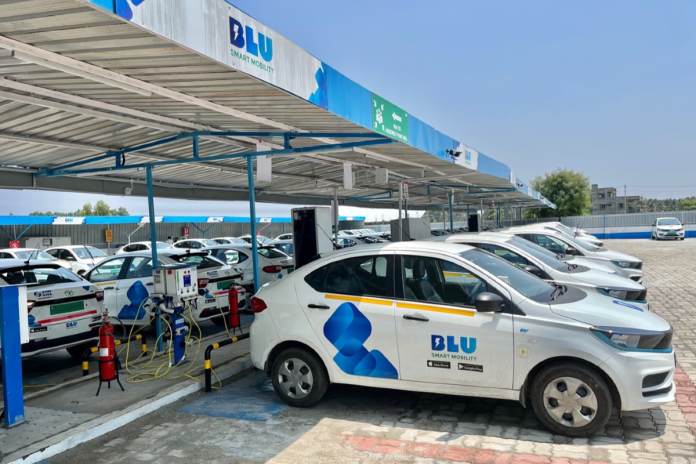

The Indian electric vehicle (EV) market has been a beacon of hope for sustainable urban transportation. Startups like BluSmart emerged as pioneers, promising to revolutionize city commutes while addressing critical environmental concerns. With India’s ambitious goal of achieving 30% electric vehicle penetration by 2030, BluSmart positioned itself as a frontrunner in this transformative landscape.
Table of Contents
The Meteoric Rise and Sudden Fall
Funding and Initial Promise
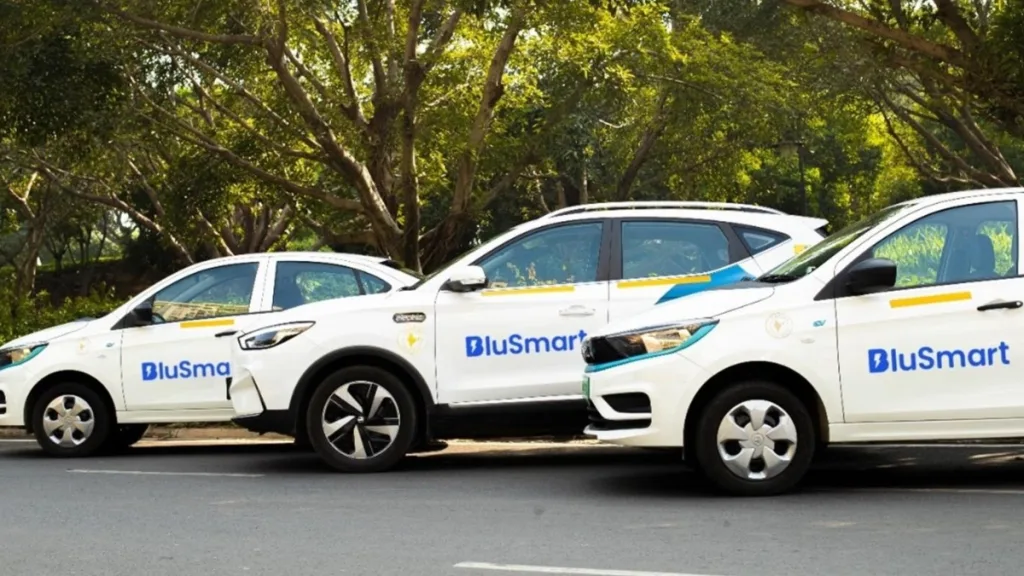
BluSmart’s journey was nothing short of remarkable. The startup had successfully raised more than $486 million, attracting heavyweight investors including BP Ventures and Mayfield India Fund. In January 2024, they secured $25 million specifically to expand their EV charging infrastructure, signaling strong market confidence.
The Operational Model
Unlike traditional ride-hailing platforms, BluSmart differentiated itself through:
- 100% electric vehicle fleet
- Sustainable urban mobility solutions
- Innovative charging and operational strategies
The Regulatory Earthquake
SEBI’s Investigative Findings
The Securities and Exchange Board of India (SEBI) uncovered a complex web of financial irregularities involving Gensol Engineering, BluSmart’s parent company. The investigation revealed:
- Total term loans of 9.78 billion Indian rupees (approximately $114 million)
- Intended purchase of 6,400 EVs
- Actual vehicle acquisition: Only 4,704 EVs for 5.68 billion rupees
Most critically, SEBI accused founders Anmol Singh Jaggi and Puneet Singh Jaggi of redirecting substantial loan amounts for personal expenditures, including luxury real estate purchases.
Financial Landscape and Market Implications
Stock Market Reaction
Gensol Engineering’s stock market performance tells a stark story of investor confidence erosion. The company’s stock has plummeted by an alarming 83% this year, currently trading at 129 rupees.
Investor Confidence Shaken
The regulatory probe has sent shockwaves through India’s startup ecosystem, raising critical questions about:
- Financial transparency
- Startup governance
- Regulatory oversight
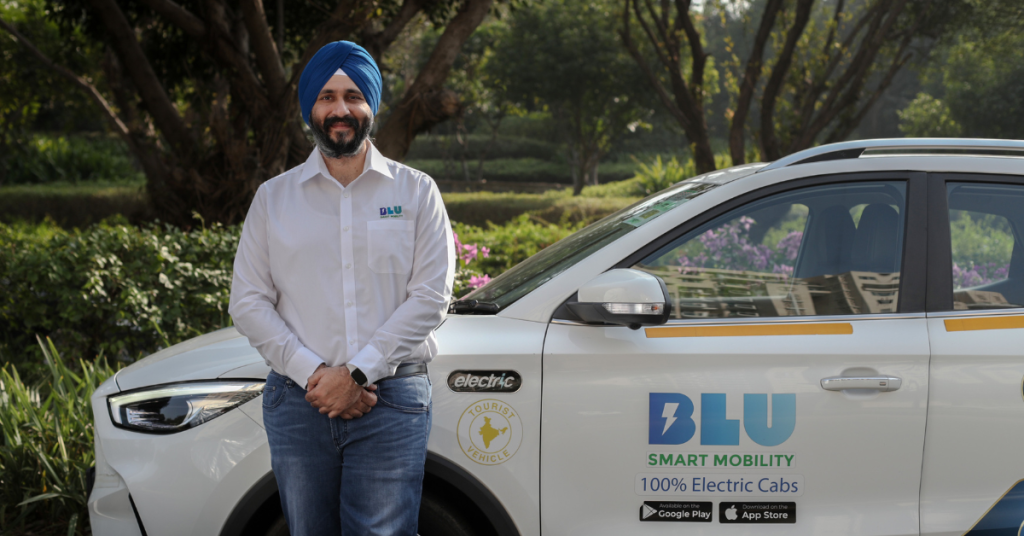
Strategic Pivot: From Ride-Hailing to Fleet Partnership
In a strategic maneuver to survive, BluSmart is reimagining its business model. The company’s shareholders have approved a transformative plan to transition 700-800 vehicles to become a fleet partner for Uber.
Potential Implications of the Pivot
- Reduced operational complexity
- Guaranteed revenue stream
- Mitigation of regulatory risks
The Broader EV Mobility Landscape
Challenges in Indian EV Ecosystem
- High initial investment requirements
- Complex regulatory environment
- Infrastructure limitations
- Funding volatility
Learning from BluSmart’s Journey
- Importance of financial discipline
- Need for transparent corporate governance
- Critical role of regulatory compliance
Industry Expert Perspectives

Mobility experts suggest that BluSmart’s case represents a critical inflection point for Indian EV startups. It underscores the need for:
- Robust financial controls
- Transparent reporting
- Sustainable business models
- Alignment with regulatory expectations
Conclusion: A Cautionary Tale of Innovation and Accountability
BluSmart’s dramatic journey from an innovative EV ride-hailing disruptor to a company under regulatory scrutiny offers profound lessons. It highlights the delicate balance between entrepreneurial ambition and financial integrity in India’s rapidly evolving startup ecosystem.

