

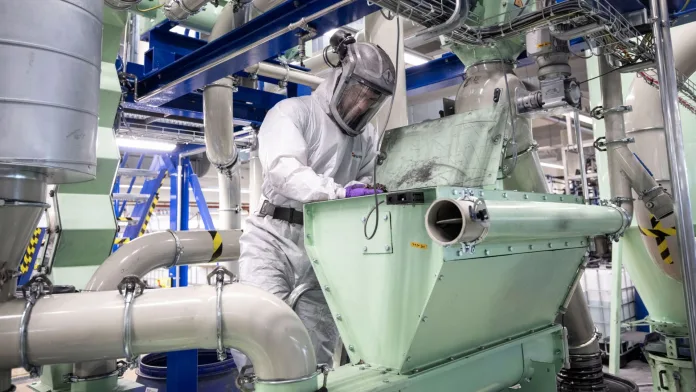

In the race towards a greener future, Porsche is shifting gears with a groundbreaking initiative that’s set to redefine the lifecycle of electric vehicle (EV) batteries. The luxury automaker’s latest venture into battery recycling isn’t just about keeping pace with environmental trends—it’s about leading the charge in sustainable automotive innovation.
The Three-Phase Journey of a Porsche Battery
Porsche’s battery recycling program is a testament to the brand’s commitment to sustainability, mirroring the precision engineering found in their vehicles. The process unfolds in three distinct phases, each as crucial as the last in the journey towards a circular economy.
Phase 1: From Power Source to ‘Black Mass’
The first step in Porsche’s recycling odyssey begins when a high-voltage battery reaches the end of its life in an electric Porsche. Instead of becoming landfill fodder, these power units are given a new purpose. Powerful machines meticulously shred the batteries, transforming them into a granular substance known in the industry as “black mass.”
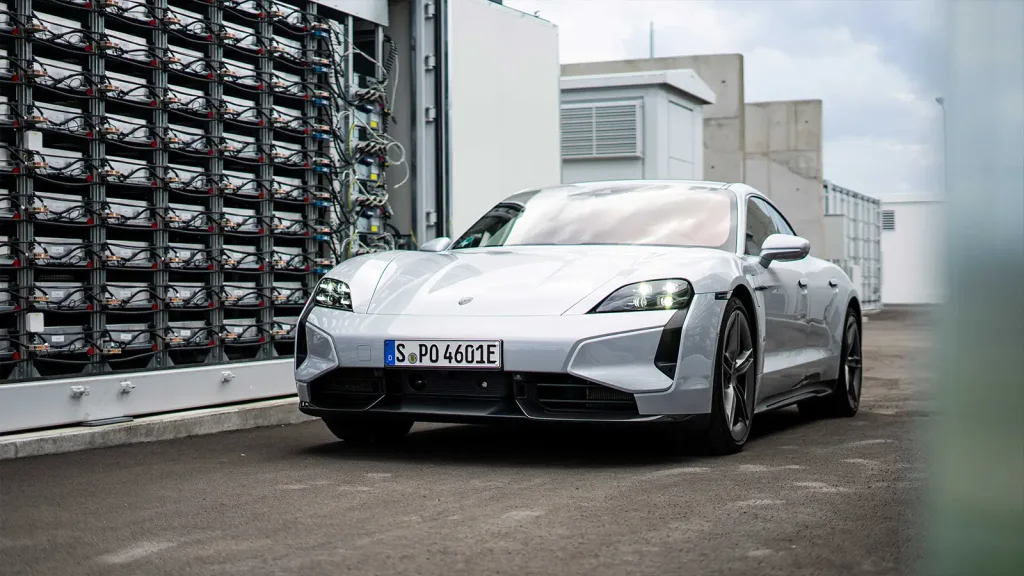
This black mass is far from waste—it’s a treasure trove of valuable materials. Nickel, cobalt, manganese, and lithium—the very elements that once powered Porsche’s electric dreams—are all present in this dark, grainy mixture. To date, Porsche has produced an impressive 65 tons of this resource-rich material, setting the stage for the next phase of the recycling process.
Phase 2: Refining Raw Potential
With the black mass in hand, Porsche moves to the critical stage of refinement. This phase is all about precision and purity—two qualities synonymous with the Porsche brand. The goal is to separate and purify the raw materials, ensuring they meet the exacting standards required for new battery production.
This step is where science meets sustainability. Advanced chemical processes are employed to extract each element, carefully isolating the materials that will give life to the next generation of Porsche batteries. It’s a delicate balance of efficiency and quality, with each gram of recovered material representing a step towards a more sustainable future.
Phase 3: Rebirth of the Battery
The final phase of Porsche’s recycling initiative is perhaps the most exciting—the creation of new high-voltage battery cells using a defined proportion of these recycled materials. This is where the circular economy comes full circle, with materials from end-of-life batteries finding their way into cutting-edge power units for new Electric Porsche models.
Porsche’s engineers are tasked with ensuring that these new batteries, infused with recycled materials, meet the brand’s legendary performance standards. It’s a challenge that combines environmental responsibility with the uncompromising quality that Porsche drivers expect.
How Electric Porsche Models Benefit from Battery Recycling?
The impact of Porsche’s recycling program extends far beyond the confines of recycling plants. It’s reshaping the very DNA of Electric Porsche vehicles. By incorporating recycled materials into new batteries, Porsche is not only reducing its environmental footprint but also potentially improving the performance and longevity of its EVs.
This innovative approach could lead to more efficient Porsche EV models, as the recycling process allows for continuous refinement and optimization of battery chemistry. Moreover, it addresses one of the key concerns in EV adoption—the environmental impact of battery production and disposal.
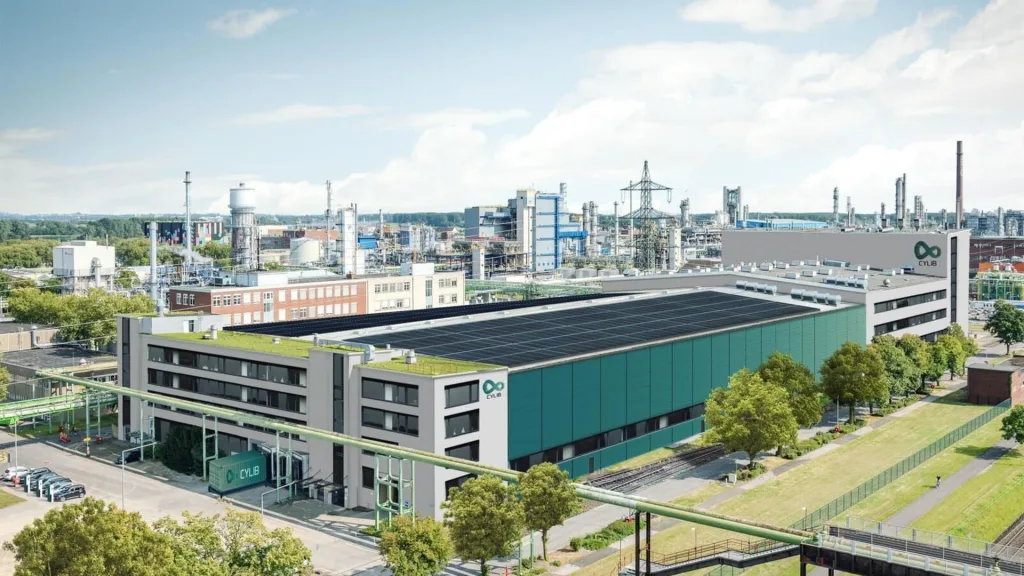
Porsche EV Innovation: From Production to Recycling
Porsche’s commitment to innovation doesn’t stop at the production line. The brand’s holistic approach to Porsche EV technology now encompasses the entire lifecycle of the vehicle, from concept to recycling. This end-to-end strategy is setting new standards in the automotive industry, challenging other manufacturers to think beyond the showroom.
By closing the loop on battery production, Porsche is demonstrating that high performance and sustainability can go hand in hand. It’s a powerful message that resonates with environmentally conscious consumers who don’t want to compromise on driving experience.
The Lifecycle of a Porsche Battery: From Car to Recycling Plant
Understanding the journey of a Porsche battery provides insight into the brand’s commitment to sustainability. From the moment a battery is installed in a new Porsche EV to its eventual recycling, every step is carefully considered to maximize efficiency and minimize environmental impact.
- Production: Batteries are manufactured using the highest quality materials, some of which may already be recycled.
- Vehicle Life: The battery powers the Porsche EV, delivering the performance drivers expect.
- End of Vehicle Life: When the EV is retired, the battery is removed and assessed.
- Recycling Process: The battery enters Porsche’s three-phase recycling program.
- Rebirth: Recycled materials are used in the production of new batteries, completing the cycle.
This lifecycle approach ensures that the value of a Porsche battery extends far beyond its years of service in a vehicle.
Global Impact and Industry Leadership
Porsche’s battery recycling initiative isn’t just about improving its own products—it’s about setting a new standard for the entire automotive industry. As global regulations tighten, particularly in the European Union where new sustainability targets are on the horizon, Porsche is positioning itself as a leader in responsible manufacturing.
Barbara Frenkel, Executive Board Member for Procurement at Porsche, emphasizes the strategic importance of this initiative: “With the help of innovative recycling processes, we strive to increase our independence from volatile and geopolitically unstable raw material markets.” This statement underscores the dual benefits of the recycling program—environmental sustainability and economic resilience.
The Road Ahead: Challenges and Opportunities
While Porsche’s battery recycling program represents a significant step forward, it’s not without its challenges. The technology is still in its pilot phase, and scaling up to meet the demands of global production will require continued investment and innovation.
However, the potential rewards are substantial. As the EV market grows, efficient battery recycling could become a key differentiator for manufacturers. Porsche’s early adoption of this technology could give it a significant advantage in an increasingly competitive and environmentally conscious market.
Conclusion: A Sustainable Future, Powered by Porsche
Porsche’s battery recycling initiative is more than just an environmental project—it’s a glimpse into the future of the automotive industry. By taking responsibility for the entire lifecycle of their EV batteries, Porsche is not only reducing waste and conserving resources but also redefining what it means to be a luxury car manufacturer in the 21st century.
As we look to the future, one thing is clear: the road to sustainable mobility is being paved with innovation, and Porsche is in the driver’s seat. With each recycled battery, Porsche is not just powering its vehicles—it’s powering change in the automotive world.
Read more- Mini Toyota Land Cruiser’s Launch Delayed

